Table of Contents
- Why Professional Headshots Matter for Freelancers
- The ROI of Investing in Professional Headshots
- AI Headshot Generators vs Professional Photography: What’s the Real Difference?
- Professional Headshot Best Practices for Maximum Impact
- How to Prepare for a Professional Headshot Session
- Cost Breakdown: What Influences Professional Headshot Pricing
- When to Update Your Headshots and Maintain Your Visual Identity
- Conclusion
Last Updated: August 29, 2026
Why Professional Headshots Matter for Freelancers
A strong headshot is often the first impression potential clients, collaborators, and opportunities have of you. For freelancers building a personal brand, this initial visual encounter can determine whether someone engages further or moves on to the next option. The difference between a casual photo and a professional headshot goes far beyond image quality, it signals credibility, investment in your craft, and seriousness about your work.
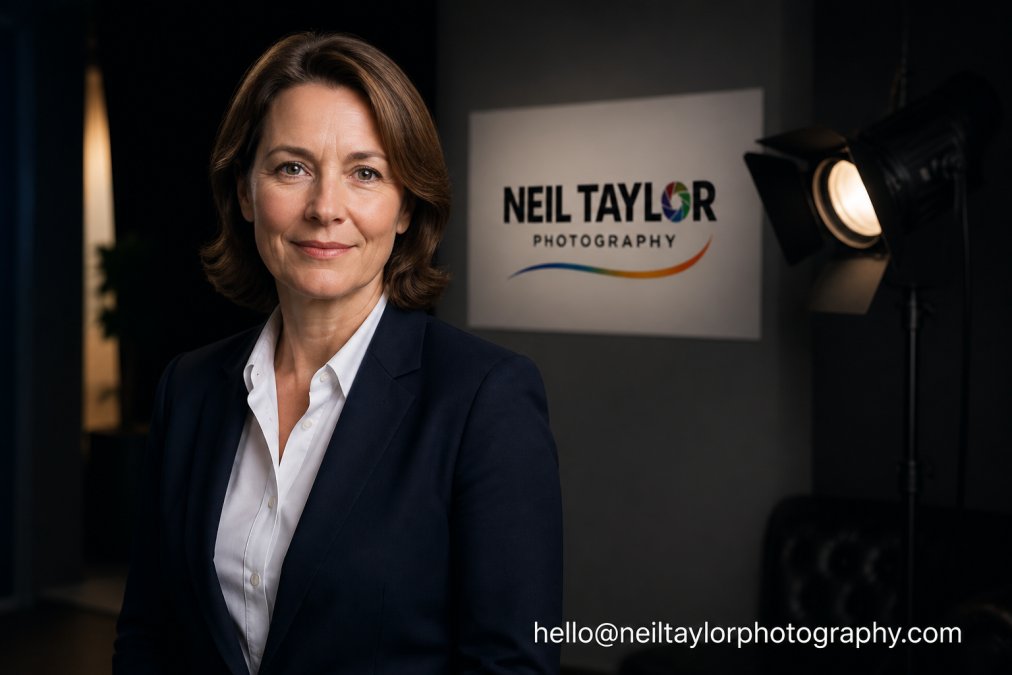
When hiring managers, clients, or collaborators visit your LinkedIn profile or portfolio, they’re making rapid judgments based on visual cues. A polished headshot communicates that you take yourself seriously. It suggests you’ve invested in your professional image, which by extension implies you’ll invest in your work. This psychological effect is real, people unconsciously associate image quality with competence and trustworthiness.
The stakes are particularly high for freelancers. Unlike employees embedded within a company’s brand ecosystem, freelancers ARE their brand. You don’t have a corporate logo or company reputation to lean on. Your personal visual identity is often the primary asset clients evaluate when deciding whether to hire you. A dated, poorly lit, or unflattering headshot undermines months of networking, portfolio development, and relationship building.
Professional headshots also provide consistency across your digital presence. When your LinkedIn photo, website, email signature, and social media profiles all feature the same high-quality image, you build visual recognition and reinforce your professional identity. This consistency matters more than most freelancers realise, it creates a coherent brand narrative that makes you memorable.
Update your headshot every 2-3 years, or immediately after a significant change in appearance or brand positioning. A headshot that’s noticeably older than your current look creates confusion and erodes the trust you’ve built.
The ROI of Investing in Professional Headshots
The return on investment from professional headshots isn’t measured in direct sales alone. It’s calculated across client acquisition, conversion rates, and the longevity of your professional image. Freelancers who invest in quality headshots report feeling more confident in client meetings and networking situations, confidence that translates into better communication and stronger business relationships.
Consider the indirect benefits. A professional headshot increases the likelihood that potential clients will click through to your full portfolio or website. It improves your visibility in search results and recommendation algorithms on platforms like LinkedIn. It makes your email outreach more effective because recipients recognise a professional, trustworthy sender. These compounding effects create measurable business impact over time.
The cost of a professional headshot session is typically a one-time investment that serves you for years. Compare this to other business expenses: website hosting, software subscriptions, marketing tools. A quality headshot often costs less than a month of freelance software subscriptions, yet it’s one of the most visible assets in your professional toolkit.
Many freelancers hesitate because they worry about the upfront cost. But the real cost is invisible, it’s the lost opportunities from a weak or outdated headshot. Every potential client who decides not to hire you based on an unflattering photo is an opportunity cost you’ll never see. Professional headshots eliminate that risk entirely.
A professional headshot is one of the highest-ROI investments a freelancer can make because it works continuously, across every platform where you appear, without ongoing costs or maintenance.
AI Headshot Generators vs Professional Photography: What’s the Real Difference?
AI-generated headshots have become increasingly sophisticated. Some are genuinely impressive, well-lit, flattering, and technically polished. But there’s a critical difference between "looks good" and "works for your actual business."
AI generators excel at creating conventionally attractive images. They produce consistent lighting, flattering angles, and professional backgrounds. For some use cases, this is sufficient. But they struggle with authenticity and nuance. They can’t capture the specific qualities that make you recognisable to people who know you. They can’t convey the subtle non-verbal cues, genuine warmth, confidence, approachability, that build trust in professional relationships.
Here’s the practical difference: when a client or collaborator meets you in person after seeing an AI-generated headshot, they’re comparing a perfectly lit, subtly retouched digital image to the real person standing in front of them. The disconnect can undermine trust rather than build it. Professional headshots, by contrast, are designed to represent you authentically, they’re polished, but they’re unmistakably you.
AI generators also lack the strategic thinking that comes with professional photography. A skilled photographer understands how headshots function across different contexts. They know which angles and expressions work best for your industry. They can advise on wardrobe, grooming, and styling to reinforce your personal brand. They understand lighting, composition, and post-production retouching, not to create an unrealistic image, but to present the best version of your authentic self.
There’s also the issue of originality and exclusivity. AI generators produce images from patterns in their training data. Thousands of people might end up with visually similar headshots. A professional photographer creates something unique to you, which reinforces your individual brand identity.
For freelancers in creative fields, design, photography, content creation, an AI-generated headshot can actually undermine your credibility. It signals that you’re cutting corners on something that’s central to your professional identity. For other fields, the authenticity gap is less critical, but it still exists.
Using an AI-generated headshot without disclosure can damage trust if clients discover it’s not actually you. Transparency about how your image was created is important for maintaining professional credibility.
Professional Headshot Best Practices for Maximum Impact
A professional headshot is only effective if it’s strategically designed for your specific context. This is where the difference between a "nice photo" and a "working professional asset" becomes clear.
Wardrobe and styling should align with your industry and personal brand. A tech entrepreneur might choose a casual blazer and open-collar shirt. A corporate consultant needs more formal attire. An actor needs something that reflects their casting type. The right clothing choice immediately communicates your professional identity and makes you memorable.
Expression and posture matter enormously. Your face should convey confidence and approachability, not stiffness, not aggression, not uncertainty. This requires direction from someone experienced with headshots. A professional photographer knows how to guide you toward expressions that feel natural on camera while projecting the qualities you want to communicate.
Lighting and background should be clean and professional without being sterile. You want the focus on your face, not on elaborate backgrounds or distracting elements. Studio lighting is typically ideal because it’s controlled and flattering. Some photographers also offer on-location sessions, which can add context and personality to your headshot.
Post-production retouching should enhance without transforming. The goal is to present your best self, not a fictional version of yourself. Professional retouching removes blemishes, smooths skin texture, and ensures consistent lighting, but it maintains your recognisability and authenticity.
Multiple expressions and angles give you options for different contexts. Some platforms favour more formal, direct headshots. Others work better with slightly more relaxed, approachable expressions. Having 3-5 strong options from a single session maximises the value of your investment.
Bring 2-3 wardrobe options to your session. Different outfits can dramatically change the feeling of your headshot and its suitability for different professional contexts. A professional photographer can advise on which options work best.
How to Prepare for a Professional Headshot Session
The success of your headshot session depends significantly on preparation. Many freelancers underestimate how much their own effort contributes to the final result.
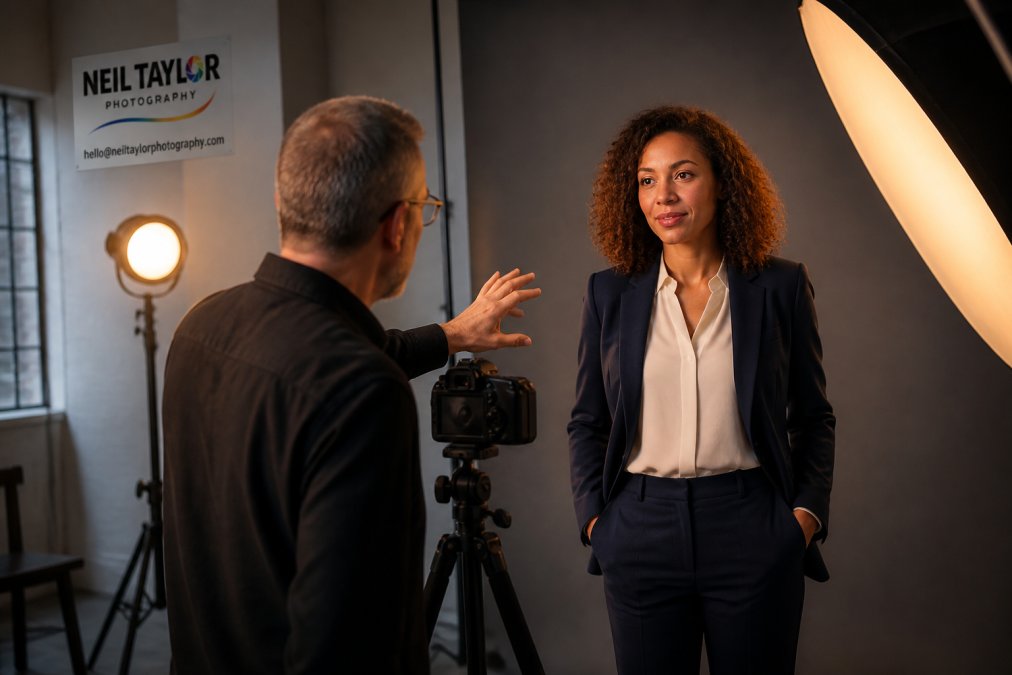
Hair and makeup should be done professionally if possible. This doesn’t mean dramatic makeup, it means grooming that photographs well. Professional makeup artists understand how to enhance features without creating an artificial appearance. If you’re doing your own makeup, avoid heavy foundation, overly bright eyeshadow, and shiny products that create glare under studio lights. Hair should be clean, styled, and ideally away from your face so your features are visible.
Skincare in the days leading up to your session matters. Avoid new skincare products that might cause irritation. Stay hydrated. Get adequate sleep. These basics improve skin texture and appearance on camera.
Clothing selection should be intentional. Choose colours that complement your skin tone. Avoid busy patterns or logos that distract from your face. Solid colours, subtle textures, and well-fitted clothing work best. Bring options so you and the photographer can choose the most effective look.
Mental preparation is often overlooked but critical. Headshot sessions can feel awkward if you’re not prepared mentally. Remind yourself that the photographer’s job is to make you look good. They’re experienced at directing people toward natural expressions. Come with realistic expectations, the goal is a polished, professional image that represents you authentically, not a Hollywood glamour shot.
Arrive early so you’re not rushed. Give yourself time to settle into the space, review the setup, and feel comfortable before the camera starts rolling.
Communicate your goals clearly with the photographer. Show examples of headshots you admire. Discuss your industry, your target audience, and how you want to be perceived. The more context the photographer has, the better they can tailor the session to your specific needs.
Cost Breakdown: What Influences Professional Headshot Pricing
Professional headshot pricing varies based on several factors. Understanding what drives these costs helps you make informed decisions about where to invest.
Session length is a primary cost factor. A shorter session is typically more affordable than a longer one, but it allows less time for wardrobe changes, expression experimentation, and building comfort in front of the camera.
Location affects pricing significantly. Studio sessions typically have consistent costs because overhead is predictable. On-location sessions require travel time and may involve additional setup complexity, which influences the final price.
Photographer experience and reputation naturally affect cost. A photographer with extensive portfolio experience and strong client testimonials typically charges more than someone just starting out. The investment in experience usually translates to better results, faster session flow, and more effective direction.
Retouching and deliverables vary in scope. Some packages include basic retouching; others offer more extensive post-production work. The number of final images delivered impacts the total cost.
Additional services like professional hair and makeup, wardrobe consultation, or multiple outfit changes may be included or offered as add-ons.
When evaluating cost, consider what you’re actually paying for: the photographer’s expertise in directing you toward natural expressions, their technical skill in lighting and composition, their experience understanding what works across different industries and platforms, and their post-production skill in delivering polished final images.
The cheapest option isn’t always the best value. A photographer who charges less but delivers images you’re not confident using hasn’t saved you money, they’ve wasted your time. Conversely, paying premium rates for a photographer whose work doesn’t align with your needs is equally wasteful.
When to Update Your Headshots and Maintain Your Visual Identity
A professional headshot isn’t a one-time purchase. It’s an asset with a lifespan, and knowing when to refresh it is part of maintaining your professional brand.
Update every 2-3 years as a general rule. This timeline accounts for natural changes in appearance and keeps your image current. More importantly, it prevents the awkward situation where your headshot looks noticeably different from your current appearance.
Update immediately if you’ve made significant changes, new hairstyle, significant weight loss or gain, major style shift. The goal is for people who meet you in person to recognise the person in your headshot.
Update if your industry or positioning changes. If you’ve shifted from freelance designer to creative director, your headshot should reflect that evolution. The visual cues that communicated your previous role may not work for your new one.
Update if your headshot is more than 5 years old. Technology has improved, photographic trends have evolved, and your appearance has likely changed. An old headshot signals that you’re not actively managing your professional brand.
Maintain consistency across platforms while you have a current headshot. Use the same image on LinkedIn, your website, email signature, and professional social media. This consistency reinforces recognition and professionalism.
Your headshot is a working asset, not a permanent fixture. Treating it as something that needs periodic refreshing, like your website or portfolio, keeps your professional image current and effective.
Conclusion
The question of whether professional headshots are worth the cost for freelancers has a straightforward answer: yes, when you understand what you’re actually investing in. You’re not paying for a nice photo. You’re investing in a professional asset that works across every platform where you appear, influences how potential clients perceive you, and contributes to your ability to attract opportunities.
The real cost isn’t the session fee, it’s the lost opportunities from a weak or outdated headshot. Every potential client who decides not to engage based on an unflattering photo is an opportunity cost you’ll never see. A professional headshot eliminates that risk.
Neil Taylor Photography specialises in creating headshots that work. Whether you need casting-ready images for auditions, professional portraits for your LinkedIn profile, or team photography for your business, the focus is on authentic, polished imagery that elevates your personal brand. With both studio and on-location sessions available, you get the flexibility to choose what works for your situation.
The investment in a professional headshot pays dividends across your entire freelance career. It’s one of the highest-ROI professional investments you can make.
Check Availability: neiltaylorphotography.com
hello@neiltaylorphotography.com
=== FAQ ANSWERS (audit these too, same rules) ===
[1] Q: How often should a freelancer update their professional headshot?
A: Most freelancers benefit from refreshing their headshots every 2-3 years, or sooner if your appearance changes significantly or your personal branding evolves. If your current headshot is more than 5 years old, a new session will likely improve how clients perceive your professionalism and current credibility. LinkedIn algorithms also favour updated profiles, so regular refreshes can boost visibility within your network.
[2] Q: Does a professional headshot actually increase conversion rates for freelancers?
A: Yes. Clients form first impressions within seconds of viewing your profile or website. A polished, professional headshot signals competence and trustworthiness, which directly influences whether prospects contact you. The investment typically pays for itself through increased client acquisition.
[3] Q: What’s the difference between a corporate headshot and a freelance portrait?
A: A corporate headshot focuses on professionalism, consistency, and formal business presentation, typically used for LinkedIn, company websites, and official materials. A freelance portrait can be slightly more personality-driven while remaining professional, allowing your personal brand to shine through. Both require professional lighting, composition, and post-production, but freelance portraits often have more flexibility in styling and background to reflect your unique value proposition.
[4] Q: Can I use AI-generated headshots instead of hiring a professional photographer?
A: AI headshot generators are faster and cheaper, but they lack the authenticity, nuance, and non-verbal communication that real photographs convey. Clients and hiring managers can often spot AI-generated images, which may undermine your credibility rather than build it. Professional headshots capture genuine expressions, proper lighting, and subtle details that AI struggles to replicate convincingly. For serious career investment, professional photography remains the stronger choice.
Frequently Asked Questions
How often should a freelancer update their professional headshot?
Most freelancers benefit from refreshing their headshots every 2-3 years, or sooner if your appearance changes significantly or your personal branding evolves. If your current headshot is more than 5 years old, a new session will likely improve how clients perceive your professionalism and current credibility. LinkedIn algorithms also favour updated profiles, so regular refreshes can boost visibility within your network.
Does a professional headshot actually increase conversion rates for freelancers?
Yes. Clients form first impressions within seconds of viewing your profile or website. A polished, professional headshot signals competence and trustworthiness, which directly influences whether prospects contact you. The investment typically pays for itself through increased client acquisition.
What's the difference between a corporate headshot and a freelance portrait?
A corporate headshot focuses on professionalism, consistency, and formal business presentation, typically used for LinkedIn, company websites, and official materials. A freelance portrait can be slightly more personality-driven while remaining professional, allowing your personal brand to shine through. Both require professional lighting, composition, and post-production, but freelance portraits often have more flexibility in styling and background to reflect your unique value proposition.
Can I use AI-generated headshots instead of hiring a professional photographer?
AI headshot generators are faster and cheaper, but they lack the authenticity, nuance, and non-verbal communication that real photographs convey. Clients and hiring managers can often spot AI-generated images, which may undermine your credibility rather than build it. Professional headshots capture genuine expressions, proper lighting, and subtle details that AI struggles to replicate convincingly. For serious career investment, professional photography remains the stronger choice.
Check Availability at https://neiltaylorphotography.com/index.php/contact
For enquiries, contact hello@neiltaylorphotography.com
This article was written using GrandRanker