Table of Contents
- Why Professional Business Headshots Matter for Your LinkedIn Profile
- What to Wear for Business Headshots
- How to Pose for a Headshot That Builds Credibility
- DIY vs Professional Headshots: What Actually Works
- Preparing for Your Professional Headshot Session
- Lighting, Background, and Composition for Business Headshots
- Common Mistakes That Undermine Your Professional Image
- Conclusion
Last Updated: August 14, 2026
Why Professional Business Headshots Matter for Your LinkedIn Profile
Your LinkedIn profile picture is often the first impression potential employers, clients, and collaborators form of you. A professional headshot signals competence, approachability, and credibility in ways a casual selfie cannot match. A high-quality professional headshot can help your LinkedIn profile present a polished, credible and approachable first impression.
For actors and creatives, casting directors expect casting-ready headshots that demonstrate your range and professionalism. For entrepreneurs and business owners, a strong headshot reinforces your personal brand and positions you as someone worth taking seriously.
Neil Taylor Photography specialises in creating business headshots that capture authentic professionalism. Whether you’re refreshing a LinkedIn profile that hasn’t changed in years or building your personal brand from scratch, the right headshot communicates something crucial: you’re serious about your career.
A professional business headshot isn’t vanity, it’s a strategic asset that shapes how the professional world perceives you before you ever speak.
What to Wear for Business Headshots
Your clothing choice sets the tone for how you’re perceived professionally. The goal is to look polished without appearing stiff or overly formal.
Solid colours work best. Avoid busy patterns, stripes, or small checks that distract from your face. Jewel tones, deep blues, greens, and burgundies photograph beautifully and convey confidence. Black, white, navy, and charcoal grey are timeless choices.
Fit matters more than fashion. A well-fitted blazer or structured top creates a professional silhouette and adds definition. Oversized or ill-fitting clothing appears less polished.
Industry context shapes your choices. A corporate finance professional might wear a tailored blazer and crisp shirt, whilst a creative entrepreneur might opt for a stylish but professional top. Your clothing should reflect the industry you work in and the image you want to project.
Avoid distracting accessories. Large jewellery, loud patterns, or anything that draws the eye away from your face weakens impact. Keep accessories minimal and intentional.
Bring 2-3 outfit options to your session. Different clothing choices create different energy and professional impressions. Your photographer can help you select the option that best aligns with your personal brand.
How to Pose for a Headshot That Builds Credibility
The way you position your body and face directly influences how credible and approachable you appear.
Shoulders matter. Angle your shoulders slightly away from the camera rather than facing it straight on. This creates a more dynamic, three-dimensional look. Drop your shoulders down and back slightly; tension reads as stress in photographs.
Chin and neck positioning. Extend your neck slightly forward and tilt your chin very slightly downward. This prevents the unflattering double-chin effect and creates a more defined jawline.
Eye contact and expression. Your eyes should be engaged and warm. Think of something that genuinely interests you rather than forcing a smile. A natural, confident expression, somewhere between a full smile and neutral, reads as approachable and trustworthy.
Hands and arms. Keep them relaxed and natural. Crossed arms can appear defensive, so maintain open posture.
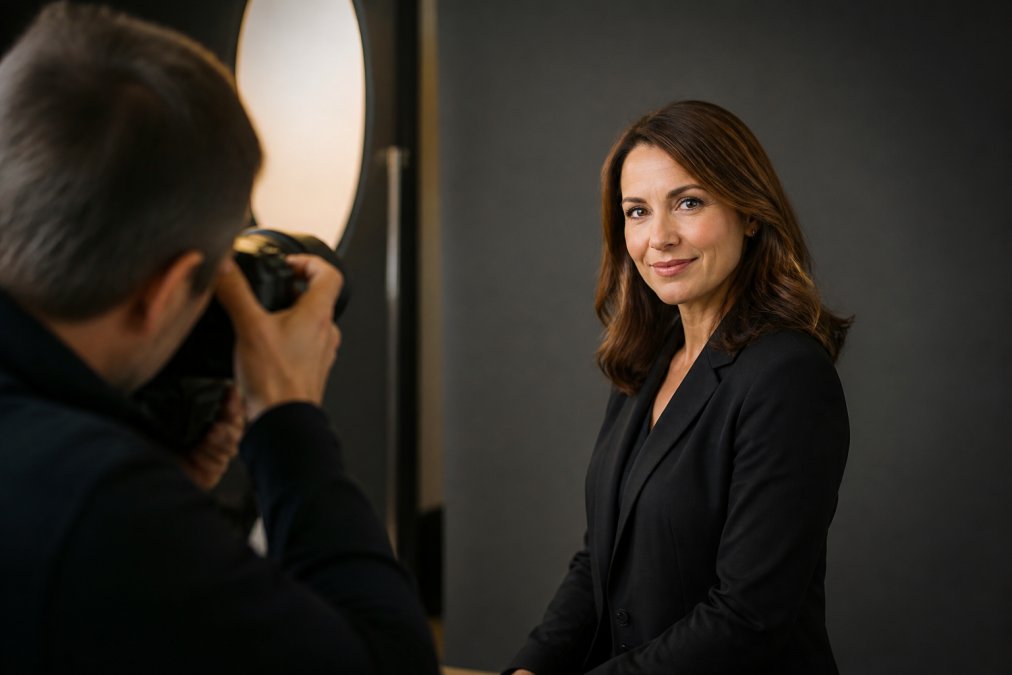
Many people struggle with looking stiff in front of the camera. The remedy is simple: relax between shots. A photographer experienced in business headshots knows how to coach you through natural positioning. Neil Taylor Photography works with actors, entrepreneurs, and corporate professionals regularly and understands how to bring out authentic confidence in your expression.
Avoid tilting your head too far to one side or angling your body too dramatically. Subtlety is key. Exaggerated poses read as unnatural and undermine credibility.
DIY vs Professional Headshots: What Actually Works
The temptation to use a selfie or ask a friend to take your headshot is understandable, but there’s a meaningful difference between a DIY attempt and a professional business headshot.
DIY headshots struggle with lighting. Natural window light is inconsistent and often creates unflattering shadows. Professional studio lighting is designed to flatter your face, even out skin tone, and create dimension. Poor lighting makes you look tired or washed out, undermining your professional image immediately.
Background control matters. A clean, neutral background keeps focus on your face. Cluttered backgrounds, bookshelves, or busy textures distract from your professional presence.
Camera quality and positioning. Smartphones distort faces when held too close. Professional cameras and proper focal lengths create more flattering proportions. A photographer positions the camera at the right distance and angle to complement your features.
Consistency and versatility. A professional session produces multiple shots with slight variations in expression and angle. DIY attempts typically yield one usable image if you’re lucky.
For serious professional use, a professional headshot provides a consistent image for profiles, websites and other business materials. Neil Taylor Photography offers both studio and on-location sessions, giving you flexibility in how you approach the shoot.
Professional headshots are essential for actors, executives, entrepreneurs, and anyone whose career benefits from strong visual branding.
Preparing for Your Professional Headshot Session
Preparation directly influences the quality of your final images.
Plan your outfits in advance. Bring 2-3 options if possible. Try them on before the session to confirm they fit well and photograph the way you want.
Hair and grooming. Get a haircut or style refresh 3-5 days before your session, not the day of. Have your hair styled the way you typically wear it professionally. Aim for polished but natural makeup that reflects how you appear day-to-day.
Skin preparation. Address active breakouts a few days before your session. Well-moisturised skin photographs better than dry skin. Avoid trying new skincare products immediately before your session.
Get good sleep. You’ll look fresher, more energised, and more confident when well-rested. Avoid heavy alcohol the night before, as it can cause puffiness.
Arrive early and relax. Build in extra time to arrive without rushing. Stress shows in your face and posture. Use those first few minutes to settle in, have water, and take a few deep breaths.
Communicate with your photographer. Share your vision and any concerns beforehand. A photographer like Neil Taylor Photography will ask clarifying questions to ensure the final images align with your goals.
Lighting, Background, and Composition for Business Headshots
The technical foundation of a strong business headshot rests on three elements: lighting, background, and composition.
Lighting is everything. Soft, directional lighting is the gold standard for headshots. Professional studio setups use key lights, fill lights, and sometimes back lights to create dimension and flattery. The goal is light that enhances your features without drawing attention to itself.
Natural light can work if diffused and consistent. A north-facing window or overcast outdoor light provides soft, even illumination. Direct sunlight creates harsh shadows and forces squinting.
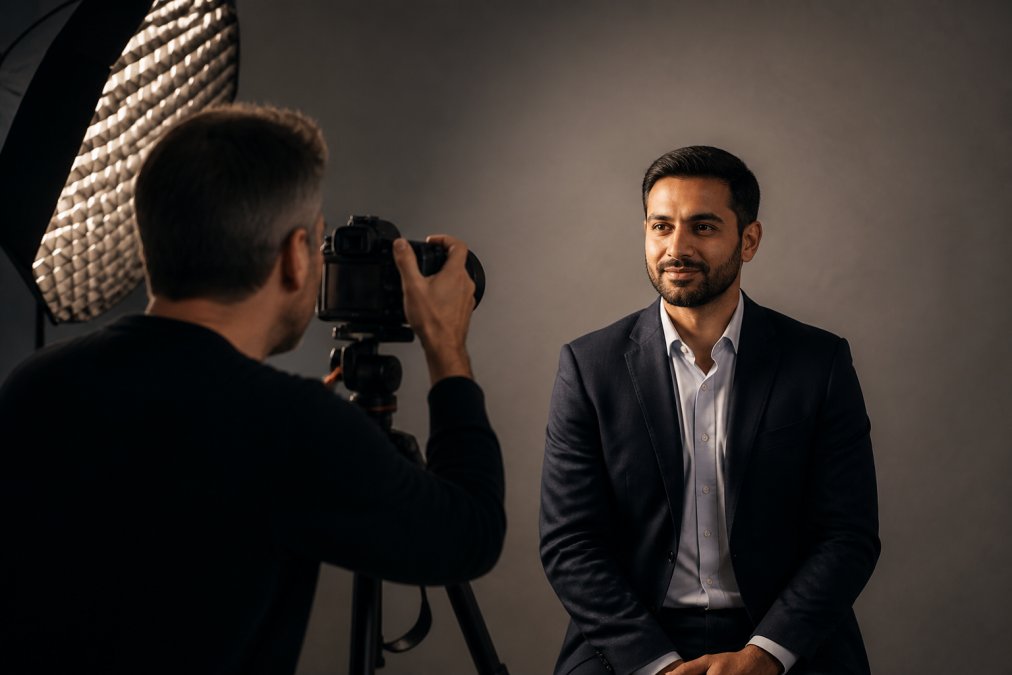
Background selection. A neutral background, solid grey, white, or soft blur, keeps focus on your face. Busy backgrounds compete with you for attention. For corporate LinkedIn profiles, a clean studio background is typically most appropriate.
Composition and framing. A standard business headshot frames from the shoulders up, with your face occupying roughly the upper third of the frame. The camera should be positioned at approximately eye level.
Aspect ratio considerations. LinkedIn profile photos work best in a square or near-square format. Understand these technical requirements when planning your session so your final image fits your profile perfectly.
Neil Taylor Photography understands how these technical elements work together. The studio environment provides controlled lighting, professional backgrounds, and equipment specifically designed for headshots.
Common Mistakes That Undermine Your Professional Image
Several recurring mistakes weaken even well-intentioned headshot attempts.
Using an outdated headshot. If your current LinkedIn photo is more than 3-4 years old, it’s time for a refresh. Outdated photos signal that you’re not actively engaged in your professional development.
Choosing an image that doesn’t match your actual appearance. Heavy filters, extensive retouching, or photos taken years ago set false expectations. Your headshot should look like you on your best day, not a fantasy version.
Poor lighting that makes you look tired or washed out. This is the most common DIY mistake. Unflattering lighting undermines everything else.
Wearing something you don’t normally wear professionally. A headshot in formal wear when you typically dress casually creates a mismatch between your image and reality.
Choosing an image with distracting background elements. Keep the background intentional and clean.
Over-smiling or unnatural expressions. A forced, wide smile reads as inauthentic. Your expression should reflect genuine confidence and approachability.
Using a casual or party photo. Your LinkedIn headshot is a professional tool, not a social media snapshot.
Ignoring industry context. An actor’s headshot should reflect casting expectations. A corporate executive’s headshot should convey authority. An entrepreneur’s headshot might allow slightly more personality.
Many of these mistakes stem from not understanding what makes a professional headshot work or trying to cut corners. The investment in a proper session with a photographer who understands business headshots eliminates most of these pitfalls.
Conclusion
Your business headshot is a practical professional asset. It can support a consistent visual identity across LinkedIn, websites and other professional materials. Whether you’re refreshing a LinkedIn profile that’s been stagnant for years or building your professional image for the first time, a strong headshot matters.
The difference between a DIY attempt and a professional session is visible. Professional lighting, intentional composition, experienced posing guidance, and technical expertise all contribute to images that serve your career. Neil Taylor Photography specialises in creating authentic, polished business headshots for actors, entrepreneurs, and corporate professionals. With both studio and on-location options, the team helps you capture the professional image that aligns with your goals and industry.
Your headshot is how you introduce yourself to the professional world before a conversation even begins. Make it count.
Check Availability
For enquiries, contact hello@neiltaylorphotography.com
Frequently Asked Questions
What makes a professional business headshot effective for LinkedIn?
An effective business headshot combines several elements: high-resolution image quality, proper lighting that flatters your face, a neutral or subtle background, professional attire, and authentic facial expression. Your headshot should convey approachability and competence simultaneously. The image should be cropped from the shoulders up, with your eyes in the upper third of the frame. Recruiters and professional contacts form first impressions within seconds, so your headshot needs to project both trustworthiness and professionalism. Avoid heavily filtered or outdated photos, as these damage credibility rather than build it.
How often should I update my LinkedIn profile picture?
Update your headshot every 2-3 years or whenever your appearance changes significantly. If you've changed your hairstyle, grown facial hair, or your current photo looks noticeably different from your in-person appearance, it's time for a refresh. An outdated headshot creates confusion and reduces trust with recruiters and connections. If your headshot is more than 5 years old, updating it can meaningfully improve your professional presence. However, avoid constant changes, as this signals inconsistency. A fresh, current headshot that matches your actual appearance is one of the fastest ways to improve how people perceive your executive presence.
Should I use a plain background for my business headshot?
A plain or neutral background is the professional standard for business headshots. Solid colours like white, grey, or soft beige keep focus on your face and avoid distraction. Busy backgrounds, outdoor clutter, or personal environments undermine your professional image. However, subtle environmental context can work if it's relevant to your industry, for example, a creative professional might use a softer, textured background. For most corporate roles, LinkedIn profiles, and executive presence building, plain backgrounds are safest. The background should never compete with your face or draw attention away from your expression and body language.
Can I use an AI-generated headshot instead of hiring a photographer?
AI-generated headshots have improved significantly, but they come with trade-offs. AI tools can produce quick, inexpensive images, but they often lack the authenticity and nuance that real photography captures. Recruiters and professional contacts increasingly notice the artificial quality of AI headshots, which can damage rather than build credibility. A professionally photographed headshot demonstrates investment in your personal brand and conveys genuine confidence. If budget is a concern, professional headshots are still more cost-effective than you might expect, and they deliver measurable returns in job searches and networking. For serious career advancement and building trust signals, a real professional headshot remains the stronger choice.
Check Availability – https://neiltaylorphotography/index.php/contact
For enquiries, contact hello@neiltaylorphotography.com