Table of Contents
- How to Choose a Headshot Photographer That Matches Your Goals
- Reviewing Photographer Portfolios and Technical Quality
- What to Wear for Headshots and Session Preparation
- How to Prepare for a Headshot Session Successfully
- Professional Headshot Photography Tips for Best Results
- Personality, Rapport, and the Psychology of the Look
- Budget, Value, and What Happens After Your Session
- Key Questions to Ask Before Booking Your Headshot Photographer
Last Updated: August 3, 2026
How to Choose a Headshot Photographer That Matches Your Goals
Your headshot is often the first impression casting directors, potential clients, or hiring managers get of you. A dated or poorly lit image can work against you before you’ve even had a chance to speak. Choosing the right photographer means knowing what to look for, asking the right questions, and understanding what separates professionals who deliver results from those who don’t.
At Neil Taylor Photography, we’ve worked with clients across London and Kent to create images that genuinely capture who they are. Below, we’ll walk you through exactly how to choose a headshot photographer by examining portfolios, understanding technical quality, preparing for your session, and avoiding common mistakes.
Defining your headshot purpose
Before evaluating photographers, clarify what you actually need. A casting-ready theatrical headshot requires something very different from a corporate LinkedIn headshot.
Theatrical headshots demand authenticity and personality. Casting directors want to see your range and how you look on camera with natural, unforced lighting.
Corporate and LinkedIn headshots prioritise professionalism and trustworthiness. The goal is to look credible and approachable without appearing overly styled.
Entrepreneur and personal branding headshots sit somewhere in between. You want to look professional but also authentic and approachable.
Assessing photographer specialisation
Not all photographers are equally skilled at headshots. A photographer who excels at wedding or landscape work may struggle to capture authentic expressions or understand what casting directors actually look for.
Look for photographers who explicitly state they specialise in headshots. This usually means they’ve invested time in understanding positioning, expression, lighting for different face shapes, and industry-standard file formats.
Pay attention to whether a photographer has experience in your specific niche. If you’re an actor, find someone who understands theatrical headshots and has worked with casting-focused clients. A photographer based in London and Kent who regularly works with actors, entrepreneurs, and corporate professionals will understand local industry standards.
Reviewing Photographer Portfolios and Technical Quality
What to look for in a portfolio
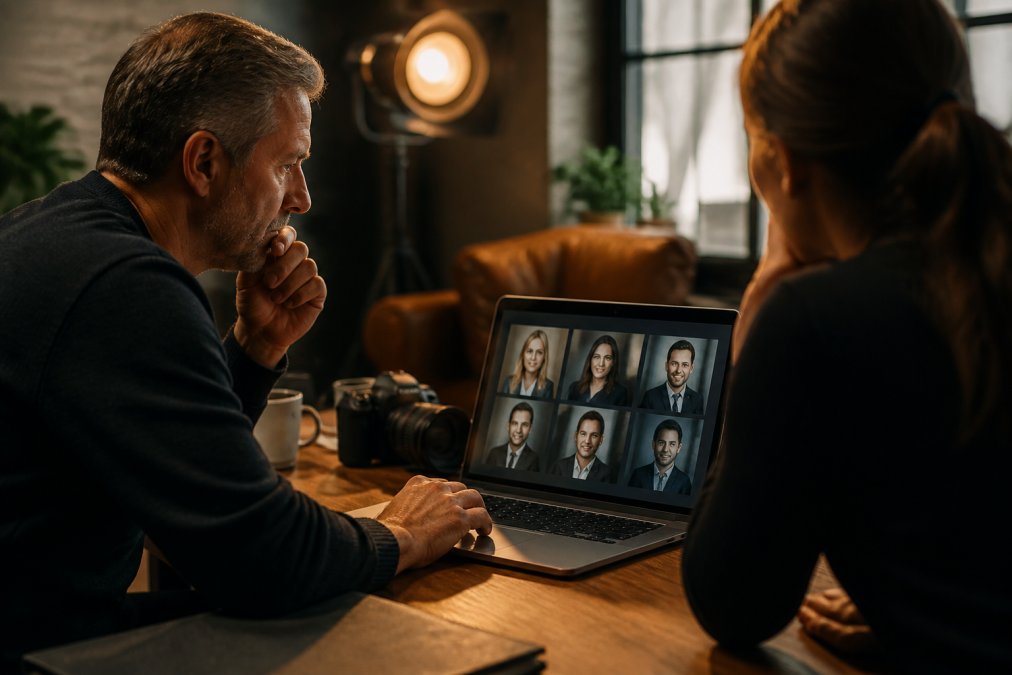
Study a photographer’s portfolio carefully. Look for consistency, do images feel cohesive in style and quality? A strong portfolio should show different clients with different face shapes, skin tones, ages, and expressions. If every image looks identical, the photographer may be relying on a formula rather than adapting to each client.
Look at the expressions. Do people look relaxed and natural, or stiff and uncomfortable? Can you see genuine personality coming through? This is critical, authenticity matters far more than technical perfection.
Examine the eyes. In headshot photography, the eyes carry the entire image. Are they sharp and in focus? Do they have light and life in them? Good headshot photographers understand that catching the light in the eyes, what photographers call "catch light," is essential.
Check the backgrounds. Are they clean and undistracting? Most professional headshots use simple, neutral backgrounds. The focus should always be on you.
Understanding lighting, focus, and colour grading
Technical quality separates professional headshots from amateur snapshots. Good lighting flatters the face, creates dimension, and brings out your best features. In a strong headshot, you should see:
- Even exposure across the face without harsh shadows under the eyes or nose
- Soft shadows that add dimension rather than flat lighting
- Catch light in the eyes (small, bright reflections that make eyes look alive)
- Skin that looks smooth and natural, not washed out or overly orange
Focus and sharpness matter enormously. In a headshot, the eyes should be tack-sharp. If you look at a portfolio image and the eyes aren’t perfectly in focus, that’s a red flag.
Colour grading should enhance your natural skin tone without making you look artificial. Professional headshot photographers aim for images that feel true to life whilst being flattering.
When reviewing a portfolio online, view images at full size on a desktop screen, not thumbnail size on your phone. Details like focus, lighting, and skin tone are invisible at small sizes.
What to Wear for Headshots and Session Preparation
Wardrobe choices that work
What you wear dramatically affects how your headshot reads. Your wardrobe should complement your face and convey the right message for your industry.
For theatrical headshots, solid colours work best. Jewel tones (deep blues, purples, teals) and warm earth tones photograph beautifully and make skin tones pop. Avoid busy patterns, large logos, or anything that draws attention away from your face.
For corporate and LinkedIn headshots, dress as you would for an important business meeting in your industry. Solid colours photograph cleanly and keep focus on your face.
For entrepreneur and personal branding headshots, wear something that feels authentically you whilst conveying the professionalism your industry requires.
Bring options. Most photographers will shoot you in at least two or three different outfits. This gives you choices and ensures you have images suitable for different contexts.
Hair, makeup, and grooming considerations
Your hair and makeup should enhance your natural features without looking overdone. The goal is to look like the best version of yourself, not someone else.
Choose a hairstyle you wear regularly. If you typically wear your hair down, wear it down. If you usually style it up, style it up. Consistency matters because your headshot should look like you on your best day.
For makeup, the rule is subtle enhancement. Makeup should even out skin tone, define features, and make you look polished without appearing heavily made up. Avoid very trendy makeup looks or heavy contouring, as these date quickly.
For men, grooming is equally important. A fresh haircut, well-groomed facial hair (or a clean shave), and groomed eyebrows all make a difference.
How to Prepare for a Headshot Session Successfully
Before the session: logistics and mindset
Confirm session details at least a week in advance. Understand how long the session will last, most headshot sessions run 30 minutes to an hour.
Get a good night’s sleep the night before. You’ll look fresher, your eyes will be brighter, and you’ll have more energy during the session. Avoid heavy alcohol the night before, as it can cause puffiness and dehydration.
On the day of the session, eat a light meal beforehand and drink water throughout the day. Dehydration shows in your skin and eyes.
Arrive early. Give yourself time to settle in, use the bathroom, and adjust to the space. Arriving rushed and stressed will show in your images.
Manage your expectations about the process. Headshot photography involves taking many shots, sometimes 50, 100, or more. The photographer is looking for moments where your expression is genuine and your eyes are engaged.
During the session: expression and rapport
The most important thing during a headshot session is rapport with your photographer. You need to feel comfortable, heard, and confident that the photographer understands what you’re looking for.
Communicate your vision clearly. Tell the photographer what you’re using the headshots for and what you want to convey. The more specific you are, the better the photographer can guide you.
Listen to direction. A good photographer will give you specific, actionable feedback. Follow the direction, but also speak up if something doesn’t feel right. Your comfort translates to authentic expression.
Relax your shoulders. Tension shows in your neck and shoulders first. Take a deep breath, drop your shoulders away from your ears, and let your body feel heavy in the chair.
Think about something genuine. Don’t force a smile. Instead, think about a moment that makes you genuinely happy or proud. Genuine emotion reads on camera in a way forced smiles never do.
Work with different expressions. Most photographers will guide you through a range, a natural smile, a more serious expression, perhaps a slight tilt of the head. Each variation gives you options for different contexts.
Avoid overly posed or unnatural positions. If you feel like you’re contorting your body or holding an uncomfortable expression, the photographer probably sees it too. The best headshots look effortless.
Professional Headshot Photography Tips for Best Results
Communicating your vision to the photographer
Clear communication before and during your session dramatically improves results. Photographers aren’t mind readers, they need guidance.
Before booking, have a conversation about your goals. Discuss the purpose of the headshots and what success looks like to you. If you’re an actor, discuss the types of roles you typically audition for.
Share reference images. If there are headshots you admire, show them to your photographer. This gives them a visual reference for style, lighting, and overall feel.
Discuss any concerns. If you’re worried about how a particular feature photographs, mention it. If you’ve had headshots done before and didn’t like them, explain what went wrong.
During the session, give feedback. If you see images on the photographer’s screen and something doesn’t feel right, speak up. Collaboration produces better results than passive participation.
Avoiding common headshot mistakes
Understanding what doesn’t work helps you avoid wasting time and money.
One of the most common mistakes is using outdated headshots. If your headshot is more than two or three years old, it’s time for a refresh. An outdated headshot can actually work against you because it sets expectations that your in-person appearance doesn’t match.
Poor lighting is another frequent problem. Harsh, unflattering light that creates dark shadows or makes skin look sallow will undermine even a great expression. This is why photographer expertise matters so much.
Overly retouched images are a trap. Some photographers over-process headshots, removing all texture and character from the face. You want to look like yourself on your best day, not like a different person.
Inconsistent styling across your headshots creates problems, especially if you’re an actor with multiple shots. If one headshot shows you with long hair and one with short hair, casting directors get confused about what you actually look like.
Choosing the wrong background or setting is surprisingly common. Busy backgrounds or unprofessional settings all undermine headshots. A clean, simple background keeps focus where it belongs, on you.
Personality, Rapport, and the Psychology of the Look
Why photographer personality matters
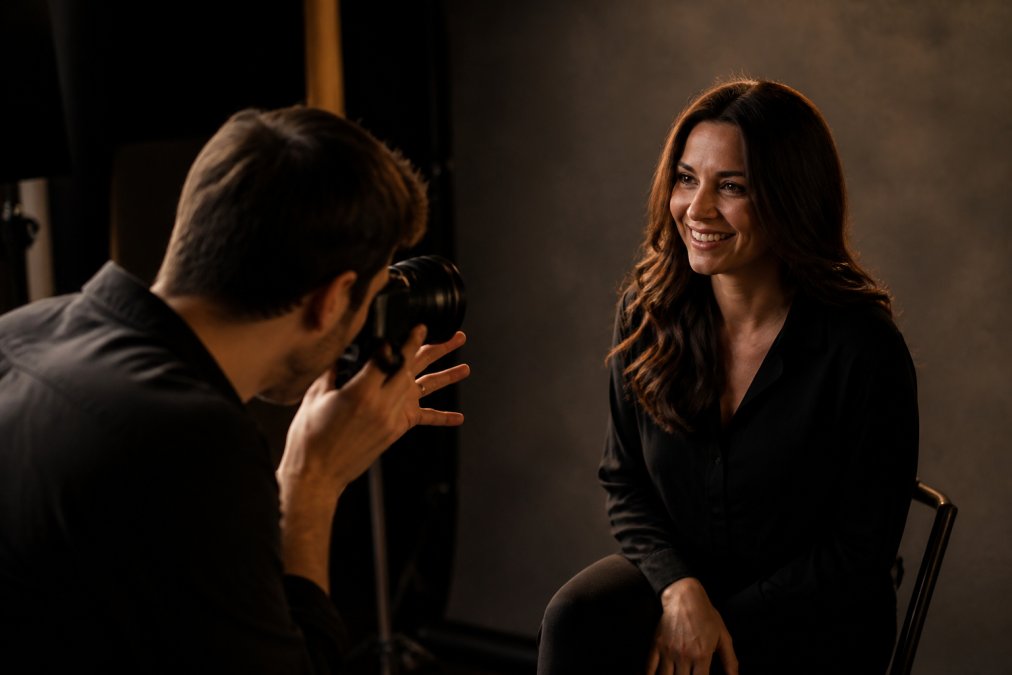
You’re going to spend at least 30 minutes to an hour with this photographer, often in an intimate setting where vulnerability is part of the process. A photographer’s personality and ability to build rapport directly affects the quality of your images.
A photographer who makes you feel comfortable and understood will get better expressions from you. You’ll relax, your shoulders will drop, and your genuine self will come through. A photographer who feels distant, critical, or dismissive will make you tense, and tension shows in every image.
When considering a photographer, notice how they communicate. Do they seem genuinely interested in understanding your goals? Do they ask questions about what you want? Do they listen to your concerns? These interactions reveal how they’ll treat you during the actual session.
Look for a photographer who has experience working with people who are nervous about being photographed. A good photographer understands this and has strategies to help you relax, conversation, humour, clear direction, and genuine encouragement.
Capturing authenticity and essence
The best headshots capture something real about who you are. They’re not just technically perfect images, they’re images that feel true. This is what separates a good headshot from a great one.
Capturing essence requires the photographer to understand you as a person, not just as a face to photograph. When you feel comfortable and understood, your authentic self naturally emerges. The photographer then captures that genuine version of you.
Essence also shows in the eyes. Eyes communicate emotion, intelligence, warmth, and confidence, the qualities that make you you. A photographer who understands how to work with your eyes and capture that light and life will produce images that feel alive and real.
Different industries and contexts require slightly different presentations of essence. An actor’s headshot might emphasise warmth and approachability for commercial work, or intensity for dramatic work. A corporate professional’s headshot should convey competence and trustworthiness. An entrepreneur’s headshot should suggest confidence and authenticity. But in all cases, the underlying principle is the same: the image should feel true to who you actually are.
The best headshot photographers understand that technical skill and human connection are equally important. They can manage light and focus flawlessly, but they also know how to make you feel comfortable enough to be genuinely yourself in front of the camera.
Budget, Value, and What Happens After Your Session
Understanding value versus cost
Headshot photography pricing varies widely, and the cheapest option isn’t always the best value. Understanding what you’re actually paying for helps you make a smart decision.
A very inexpensive headshot session often comes with trade-offs. You might get limited time, fewer shots, minimal direction, or less experienced editing.
Mid-range headshot photographers typically offer a good balance. They have solid experience, professional equipment, and reliable editing skills. They’ve done enough sessions to understand what works and can deliver consistent results. Most actors and professionals find this tier offers the best value.
Higher-end photographers bring extensive experience, a strong portfolio, and often specialised skills. They might offer more extensive editing, more shot options, or additional services like styling consultation.
Value isn’t just about price. Consider what’s included: How many shots will you receive? Are there multiple outfit changes? Is retouching included? How quickly will you receive edited images? Can you book a reshoot if you’re unhappy? What file formats and usage rights do you get?
At Neil Taylor Photography, we focus on delivering authentic, casting-ready images that genuinely represent who you are. We work with actors, entrepreneurs, and corporate professionals across London and Kent, and we understand what each industry actually needs. Our sessions include multiple outfit changes, extensive shooting, professional retouching, and delivery of high-resolution files suitable for both print and digital use. Pricing depends on quantity, dates, and delivery. Please visit our website for current pricing or a quote.
Post-session workflow and file delivery
What happens after your session matters as much as the session itself. A good photographer manages the post-session workflow professionally and delivers files in formats you can actually use.
After your session, the photographer will review all the shots and select the best ones for editing. This culling process is important, it’s where the photographer uses their judgment to identify the strongest images. You should receive a gallery of edited images, typically anywhere from 20 to 50+ depending on what was included in your package.
Editing should enhance your images without transforming you. Professional retouching removes temporary blemishes, evens skin tone, and adjusts lighting subtly. You want to look like yourself on your best day, not like a different person.
File delivery matters for practical reasons. You need high-resolution files suitable for printing and professional use. Standard delivery usually includes:
- High-resolution JPEGs (300 DPI) suitable for printing
- Web-resolution files (72 DPI) for online use
- Unretouched versions if you want options
- Different crops (square for social media, landscape for websites, etc.)
Ask about file ownership and usage rights. You should own the files you purchase and be able to use them however you need. Most photographers deliver files within 1-2 weeks of your session.
| Element | What to Expect | Why It Matters |
|---|---|---|
| Gallery size | 20-50+ edited images | More options means better odds of finding perfect shots |
| File resolution | 300 DPI for print, 72 DPI for web | Ensures quality across different uses |
| Retouching | Subtle enhancement, not transformation | You look like yourself, just your best self |
| Delivery timeline | 1-2 weeks typical | Allows time for professional editing |
| File ownership | You own the files | You can use them freely for your purposes |
| Reshoot policy | Clarify upfront | Protects you if results don’t meet expectations |
Key Questions to Ask Before Booking Your Headshot Photographer
Before you commit to booking, ask these specific questions:
About their experience: How long have you been specialising in headshots? What industries do you work with most? Can you show me examples of headshots for [your specific industry]?
About the session: How long is the session? How many outfit changes are included? Will you provide direction? What’s your approach to helping nervous clients feel comfortable?
About the technical side: What lighting setup do you use? How do you approach retouching? Will I see images during the session and have a chance to give feedback?
About the deliverables: How many edited images will I receive? What file formats and resolutions are included? Can I use the images however I want? How quickly will I receive edited files?
About concerns: If I’m unhappy with the results, what options do I have? Can I request adjustments? Is there a reshoot policy?
About their process: Can you walk me through your typical workflow from booking through delivery? Do you offer any styling or preparation guidance?
About fit: Pay attention to how the photographer communicates. Do they seem genuinely interested in understanding your needs? Do you feel comfortable asking questions? Does the conversation feel collaborative?
The right photographer makes all the difference. Look for someone with genuine expertise in your industry, a portfolio that shows authentic expressions and strong technical quality, and a personality that makes you feel comfortable and understood. Ask detailed questions, understand what you’re getting, and remember that value goes far beyond the lowest price.
Check Availability at https://neiltaylorphotography/index.php/contact or email hello@neiltaylorphotography.com to discuss your headshot needs with our team.
Frequently Asked Questions
What should I look for in a professional headshot photographer's portfolio?
Review their portfolio for consistency in lighting quality, sharp focus on the eyes, natural expressions, and skin tones that look authentic. Check whether they've photographed people in your industry or with similar features. Look at how they handle different ethnicities, ages, and body types. Strong portfolios show variety in expressions and posture, not just technically perfect but stiff images. Ask to see before-and-after retouching so you understand their editing style.
How do I prepare for a headshot session to look natural and confident?
Arrive well-rested and hydrated. Wear colours that complement your skin tone and align with your professional brand. Practice expressions in the mirror beforehand so you feel comfortable on the day. Communicate with your photographer about your goals and any concerns you have. During the session, take breaks between shots, listen to direction carefully, and trust the photographer's expertise. Many actors find it helpful to think of a memory or emotion that creates the expression they want, rather than forcing a smile.
What are the most common headshot mistakes to avoid?
Avoid overly trendy clothing, heavy makeup, or hairstyles that date quickly. Don't tilt your head at extreme angles or slouch. Skip busy backgrounds that distract from your face. Avoid poor lighting that creates harsh shadows under the eyes or chin. Don't use outdated photos for casting submissions. Many people also make the mistake of choosing a photographer based solely on cost rather than portfolio quality and rapport. Ensure final files are high-resolution and print-ready, delivered in the correct aspect ratio for your intended use.
How much should I expect to spend on professional headshots in the UK, and what affects the price?
Headshot costs vary based on photographer experience, location, session length, number of final images, and retouching included. Studio sessions typically differ from location shoots. Check the photographer's website for current pricing and packages. Many photographers offer different tiers depending on whether you need a single headshot or multiple looks. Some include a consultation or wardrobe guidance, which adds value. Rather than choosing the cheapest option, invest in a photographer whose portfolio and personality align with your needs, as this directly affects the quality of your final images.