Table of Contents
- Why Location Matters for Your Actor Headshots
- What to Wear for Actor Headshots
- Professional Headshot Session Duration and What to Expect
- Casting Director Headshot Requirements Explained
- Studio vs Outdoor Location Photography for Actor Headshots
- Cost-Benefit Analysis: Travel vs Local Convenience
- Headshot Longevity and When to Reshoot
- Choosing the Right Photographer for Your Needs
Last Updated: August 18, 2026
Why Location Matters for Your Actor Headshots
The choice between London and Kent for your professional headshots isn’t just about geography, it shapes everything from convenience and cost to the creative direction of your final images. For actors building their casting portfolio, this decision carries real weight.
London dominates the UK’s performing arts industry. The city hosts the majority of casting directors, agents, and production companies. Working with a London-based photographer means easier access to professionals deeply embedded in the industry’s expectations. They understand what casting directors scrutinise, how Spotlight profiles are evaluated, and which visual approaches resonate with contemporary casting standards.
Kent offers a different proposition. Quieter, more accessible for those outside the capital, and often less saturated with competition. For actors in the South East, a Kent-based photographer eliminates the logistics burden, no train journeys, no waiting rooms, no travel fatigue before a crucial session. Neil Taylor Photography, based in Kent, brings professional expertise directly to your region whilst maintaining the standards casting professionals expect.
The real question isn’t which location is objectively better. It’s which serves your specific circumstances, budget, and creative vision.
What to Wear for Actor Headshots
Your wardrobe choice during a headshot session directly influences how casting directors perceive your range and suitability for roles. The wrong outfit can undermine an otherwise excellent photograph; the right one amplifies your natural presence.
Neutral, fitted clothing works best for most actor headshots. Think solid-colour tops without busy patterns, logos, or distracting graphics. Blacks, greys, navy, and earth tones create a professional foundation that doesn’t compete with your face. The goal is for casting directors to focus on your expression, bone structure, and presence, not your shirt.
Avoid oversized or baggy garments. Fitted clothing defines your silhouette and suggests confidence. Equally, avoid anything too tight or restrictive; you need freedom to move naturally and breathe during the session.
Layering adds versatility. A simple t-shirt under an open shirt or blazer gives you options without requiring multiple outfit changes. Many photographers, including those at Neil Taylor Photography, encourage clients to bring 2-3 tops to create visual variety across the final selection.
Consider your character type when selecting colours. Fair-skinned actors often photograph well in warmer tones; deeper skin tones frequently benefit from jewel tones or brighter neutrals. A professional photographer will guide you through these choices during consultation, but arriving prepared accelerates the creative process.
Avoid anything that dates quickly. Fashion trends fade; your headshots need longevity. Classic pieces, simple crew necks, structured blazers, clean lines, photograph timeless.
Professional Headshot Session Duration and What to Expect
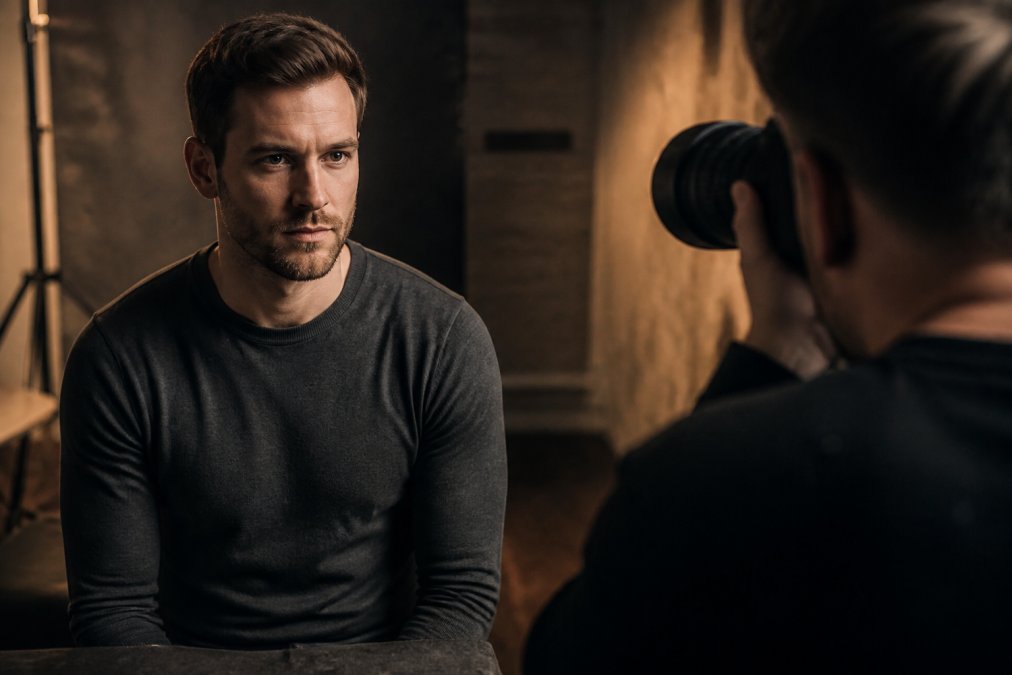
A typical actor headshot session runs between 60 and 120 minutes, depending on the photographer’s approach and your specific needs. This timeframe balances thorough coverage with maintaining natural energy and authentic expressions throughout.
What happens during those hours? The session typically begins with a brief consultation. You’ll discuss your casting type, the roles you’re pursuing, and any specific looks you want captured. This conversation shapes the photographer’s approach and ensures alignment on creative direction.
The shooting itself involves multiple outfit changes and positioning variations. A photographer might capture 150-250 images during a two-hour session, giving you substantial choice when selecting your final headshots. Different angles, expressions, and lighting setups ensure you have options that suit different casting scenarios.
Many photographers build in breaks. Continuous shooting can feel draining; a brief pause refreshes your energy and helps you return to authentic expressions. Professional headshot photographers understand this rhythm and structure sessions accordingly.
After the session, you’ll typically receive digital contact sheets, unretouched images for you to review and select your preferred shots. This viewing stage is crucial. You’re choosing which images the photographer will retouch and colour-grade, so take time to identify the shots where you feel most present and authentic.
Retouching usually takes 5-10 business days. Professional headshot work involves subtle skin refinement, colour grading, and contrast adjustment, not heavy-handed editing that obscures your actual appearance. Casting directors need to recognise you in the room; over-retouched images undermine that crucial first moment.
Casting Director Headshot Requirements Explained
Casting professionals work with hundreds of headshots weekly. They’ve developed specific expectations about format, resolution, and presentation that directly influence how your image is evaluated.
High-resolution digital files are non-negotiable. Your headshots should be at least 300 DPI (dots per inch) and suitable for both digital submission and printing. Most casting directors request JPEG files, typically sized at 8×10 inches (standard headshot dimensions). This format works across Spotlight profiles, IMDb submissions, and agency databases.
Colour grading consistency matters more than you might expect. Casting directors often review dozens of headshots in sequence. Colour-graded images with balanced skin tones, consistent contrast, and professional colour treatment read more authoritatively than flat, unprocessed photographs. This is where professional retouching separates casting-ready headshots from amateur snapshots.
Facial clarity and expression dominate casting director assessment. Your eyes should be sharp and engaging; your expression should suggest personality without performing. The headshot captures a moment of authentic presence, not a forced smile or exaggerated emotion.
Book your headshot session today →
Minimal props and styling work best. Your face is the primary subject. Jewellery, hats, or elaborate styling can distract or date the image. Simple, clean presentation ensures the focus remains on your casting potential.
Consistency across your portfolio is underestimated but essential. If you submit multiple headshots for consideration, they should appear cohesive, similar lighting, colour treatment, and styling. Wildly different images suggest inconsistency and can confuse casting directors about your actual appearance.
Professional photographers embedded in the industry understand these requirements intuitively. They’ve worked with casting directors, agents, and production companies long enough to know exactly what translates into casting success.
Studio vs Outdoor Location Photography for Actor Headshots
The environment where your headshots are captured fundamentally shapes the final aesthetic and your experience during the session.
Studio Sessions: Control and Consistency
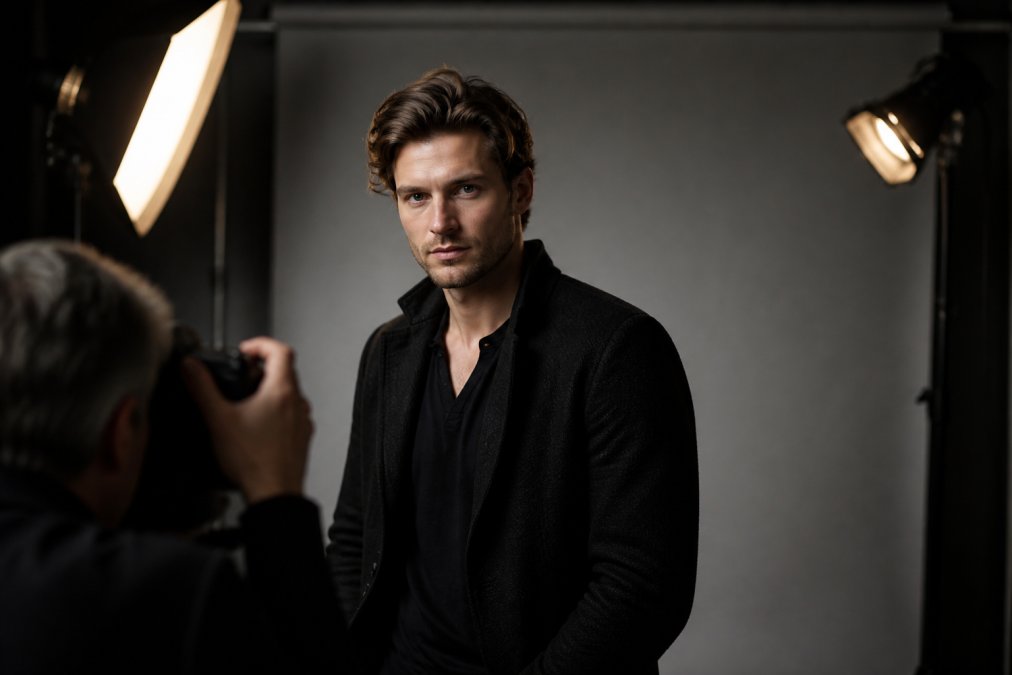
Studio photography offers controlled lighting, neutral backgrounds, and repeatable conditions. Every element, light direction, intensity, colour temperature, can be precisely adjusted to flatter your features and create a polished, professional appearance.
The consistency of studio work appeals to casting directors. They’re familiar with studio headshots; the format is industry standard. Neutral backgrounds keep focus on your face. Controlled lighting eliminates shadows and uneven skin tones that can occur outdoors.
Studio sessions also provide psychological comfort for many actors. The controlled environment removes variables, no wind affecting your hair, no unexpected weather, no distracting background elements. You can focus entirely on your expression and presence.
However, studio work can feel sterile to some actors. The controlled environment, whilst professional, sometimes produces images that feel slightly formal or distant. Some performers prefer the energy and authenticity that outdoor locations bring.
Outdoor Locations: Natural Light and Character
Outdoor photography harnesses natural light and real environments to create headshots with distinctive character and warmth. Golden hour light, the hour after sunrise or before sunset, produces particularly flattering, naturally-lit portraits.
Outdoor headshots often feel more relaxed and authentic. The natural environment can ease tension, allowing your genuine personality to emerge more readily. Many actors report feeling more comfortable outdoors, which translates into more natural expressions in the final images.
The visual distinctiveness of location-based headshots can be advantageous. If your casting type benefits from a slightly unconventional aesthetic, creative roles, character work, indie productions, outdoor headshots can differentiate you from the studio-based portfolio crowd.
The trade-off involves unpredictability. Weather changes, variable light quality, and background elements require photographer expertise to manage. A skilled location photographer navigates these variables; an inexperienced one produces inconsistent results.
Both approaches work for casting purposes. The choice depends on your personality, casting type, and what feels most authentic to your professional presence. A professional photographer will guide you toward the approach that best serves your specific needs.
Cost-Benefit Analysis: Travel vs Local Convenience
The decision between a London photographer and a Kent-based alternative involves practical considerations beyond creative preference.
Travel logistics carry real weight. A London session typically requires train travel from Kent, roughly 60-90 minutes depending on your starting point. Journey time, ticket cost, and pre-session travel fatigue accumulate. You arrive for a crucial creative session already mentally and physically invested in logistics rather than fully present and energised.
A local Kent photographer eliminates this burden entirely. You travel locally, arrive relaxed, and enter the session in optimal mental state. For many actors, this practical advantage justifies the choice alone.
Session accessibility differs between locations. London photographers often operate from established studios with multiple booking slots weekly. Availability might be more limited, requiring you to fit your schedule around theirs. Kent-based photographers often offer greater scheduling flexibility, accommodating your availability more readily.
Professional standards remain consistent regardless of location. A qualified, experienced headshot photographer, whether London or Kent-based, understands casting director requirements, industry standards, and the technical execution necessary for professional results. Location doesn’t determine competence; experience and specialisation do.
Cost considerations extend beyond session fees. Travel expenses, time investment, and convenience factor into the true cost calculation. A slightly higher local session fee might represent better overall value when you factor in eliminated travel costs and time saved.
The practical reality for many Kent-based actors: working with Neil Taylor Photography eliminates logistics friction whilst maintaining professional standards. You receive casting-ready headshots without the London travel burden.
Book your headshot session today →
Headshot Longevity and When to Reshoot
A common question from actors: how long do professional headshots remain viable before requiring an update?
Most casting professionals recommend refreshing your headshots every 2-3 years. This isn’t because older images stop working, it’s because you change. Your appearance evolves subtly; your style develops; your casting type may shift as you gain experience and range.
Significant physical changes warrant faster updates. A dramatic haircut, substantial weight loss or gain, or major styling shift means your headshots no longer reflect your current appearance. Casting directors need to recognise you in the audition room; misalignment between your headshot and your actual appearance undermines your credibility immediately.
However, if your appearance remains stable and your casting type hasn’t shifted, older headshots can continue working. Many successful actors use the same core headshots for 3-4 years. The investment in professional headshots is substantial; extending their useful life makes financial sense.
Consider refreshing your portfolio when:
- Your appearance has noticeably changed
- You’re pursuing a different casting type or range
- Your previous headshots feel dated (styling, colour treatment, aesthetic)
- You’ve developed greater clarity about your professional brand
- You’re targeting new agents or representation
A professional photographer can advise on timing during your session. They understand industry standards and can assess whether your existing portfolio remains competitive or whether a refresh would strengthen your casting prospects.
Choosing the Right Photographer for Your Needs
Selecting a headshot photographer requires evaluating multiple factors beyond portfolio aesthetics.
Industry specialisation matters significantly. A photographer experienced with actor headshots understands casting director expectations, Spotlight requirements, and the specific technical demands of casting-ready imagery. General portrait photographers, whilst skilled, may not grasp these industry-specific nuances.
Portfolio assessment reveals the photographer’s actual work. Review their actor headshots specifically, not just their broader portrait work. Do the images convey authentic presence? Do they look casting-ready? Can you see yourself in similar work?
Consultation approach indicates professionalism. A photographer who discusses your casting type, asks about your goals, and explains their creative approach demonstrates genuine engagement. Those who simply schedule a session without conversation may not deliver work aligned with your vision.
Client testimonials and feedback provide insight into the experience. How do past clients describe the session? Did they feel comfortable? Were they satisfied with the results? Were there any issues with turnaround time or communication?
Technical competence encompasses lighting, posing, direction, and retouching. A skilled photographer guides your expressions naturally, captures authentic moments, and delivers professionally retouched images. Poor technical execution undermines everything else.
Neil Taylor Photography specialises in actor headshots alongside professional and LinkedIn portraiture. The photographer understands casting requirements, offers both studio and location shooting, and brings collaborative approach to capturing authentic, casting-ready imagery. For actors in London and Kent seeking professional results without unnecessary logistics burden, this specialisation and accessibility offer genuine advantage.
The choice between London and Kent for your actor headshots ultimately reflects your priorities: creative preference, practical convenience, and professional standards. Both locations offer capable photographers; the decision hinges on which environment and logistics best serve your needs as a performing artist.
Ready to invest in headshots that advance your casting prospects? Check Availability with Neil Taylor Photography, or contact hello@neiltaylorphotography.com to discuss your specific requirements and booking options.
Frequently Asked Questions
Does the location of my headshot photographer affect my casting chances?
Not directly, casting directors care about the quality and professionalism of your headshot, not where it was taken. What matters is whether the image meets industry standards: high-resolution, natural expressions, and accurate representation. A well-executed headshot from Kent is equally effective as one from London. What does affect casting chances is whether your headshot is current, professional, and showcases your casting type clearly. Choose a photographer experienced in actor headshots who understands what casting directors expect, regardless of location.
Should I choose a studio or on-location headshot session?
Studio sessions offer controlled lighting, consistency, and professional backdrops, ideal for Spotlight-ready images. On-location shoots provide natural lighting, environmental context, and often feel more relaxed, which can help you appear more natural and expressive. Many actors benefit from both: studio shots for formal casting submissions and outdoor images for variety and character work. Consider your casting type, the roles you pursue, and your comfort level. A collaborative photographer will help you decide which approach suits your needs best.
How often should I update my actor headshots?
Industry standard is every 18-24 months, or sooner if your appearance changes significantly (new hairstyle, weight loss, ageing). Casting directors notice when headshots don't match your current appearance, it damages credibility and reduces callback chances. If you've been using the same headshot for 8+ years, an update is essential. A fresh, current headshot signals you're actively pursuing work and helps casting professionals recognise you at auditions. Your headshot is a marketing tool; keeping it current directly impacts your audition opportunities.
What technical specifications do casting directors require for headshots?
Casting directors expect high-resolution digital images (minimum 300 dpi for printing), typically in portrait orientation. For Spotlight and IMDb submissions, images should be clear, well-lit, and show your face prominently without heavy filters or retouching that misrepresents your appearance. Most platforms accept JPG or PNG files. Your headshot should accurately reflect how you look at auditions, no extreme angles, heavy makeup, or misleading edits. A professional photographer experienced with casting requirements will ensure your images meet these technical standards and industry expectations.
This article was written using GrandRanker