Table of Contents
- Why What You Wear Matters for Professional Portraits
- Best Colours for Headshots UK
- What Not to Wear for Headshots UK
- Corporate Headshot Attire UK: Dressing for Your Industry
- Professional Headshot Outfits UK: Fit, Layering and Necklines
- Accessories, Jewellery and Technical Considerations
- Preparation Steps Before Your Professional Portrait Session
- Building Your Personal Brand Through Consistent Visual Identity
What to Wear for Professional Portraits: Complete Guide
Last Updated: July 31, 2026
Why What You Wear Matters for Professional Portraits
Your clothing choice directly influences how potential clients, casting directors, or hiring managers perceive your professionalism, credibility, and approachability. When your outfit works with your features and the studio environment, the photographer can focus entirely on capturing authentic expression instead of fighting distracting visual noise.
Research shows that LinkedIn's 2026 professional image report indicates that professionals with polished, current headshots receive 40% more profile views than those with outdated or poor-quality images. For actors, this translates directly to audition callbacks. For entrepreneurs and business owners, it builds immediate trust and credibility.
Your professional portrait is often the first impression someone has of you. Unlike a face-to-face meeting where personality can compensate for appearance, a static image must work harder. This is where strategic wardrobe choices become your competitive advantage.
Best Colours for Headshots UK
Colour selection is far more strategic than simply choosing what you like wearing. The right colour palette complements your skin tone, enhances your eyes, and creates visual contrast that makes you stand out.
Neutral and Jewel Tones That Work Best
Neutral colours form the foundation of professional portrait wardrobes: navy, charcoal, black, and grey create clean backgrounds that allow your features to remain the focal point. Jewel tones, deep emerald, sapphire, burgundy, and rich plum, work exceptionally well because they provide subtle colour interest without distraction. Avoid bright primary colours, pastels, or high-saturation hues.
Matching Your Skin Tone and Eye Colour
Warm skin tones typically look best in warm neutrals, caramel, rust-adjacent browns, or jewel tones with golden undertones like emerald. Cool skin tones benefit from cool neutrals, icy grey, true black, navy, or jewel tones with blue undertones like sapphire or cool plum.
Blue eyes often pop against warm neutrals and jewel tones. Brown eyes typically benefit from jewel tones and warm earth tones. Green eyes are enhanced by burgundy, plum, or warm neutrals.
The practical approach: bring 2-3 top options to your session. A professional photographer can advise on camera which colour reads best under your specific lighting setup.
The best colour for your professional portrait is one that complements your natural colouring, photographs cleanly under studio lighting, and will feel timeless in 2027 and beyond.
What Not to Wear for Headshots UK
Understanding what actively damages a professional portrait is just as important as knowing what works.
Patterns, Logos and Distracting Elements
Busy patterns, stripes, and checks create visual noise that competes with your face. Fine, densely packed patterns can create a moiré effect on camera. Large logos, brand names, or graphic prints immediately date your image. Avoid anything with busy textures that catch light unevenly, heavily sequined fabrics, or metallic prints. White and very light colours also present technical challenges, bright white reflects light directly back into the camera, blowing out facial detail. Off-white or cream works better if you want a light option.
Fabric and Texture Considerations
Soft, matte fabrics like cotton, linen blends, and merino wool photograph beautifully and drape naturally. Avoid thin, clingy fabrics that outline every contour of your torso or shiny fabrics that reflect light unpredictably. Subtle texture adds depth without being distracting.
Corporate Headshot Attire UK: Dressing for Your Industry
Your industry shapes what "professional" actually means. A corporate headshot for a banker looks fundamentally different from one for a creative director.
Corporate and Conservative Roles
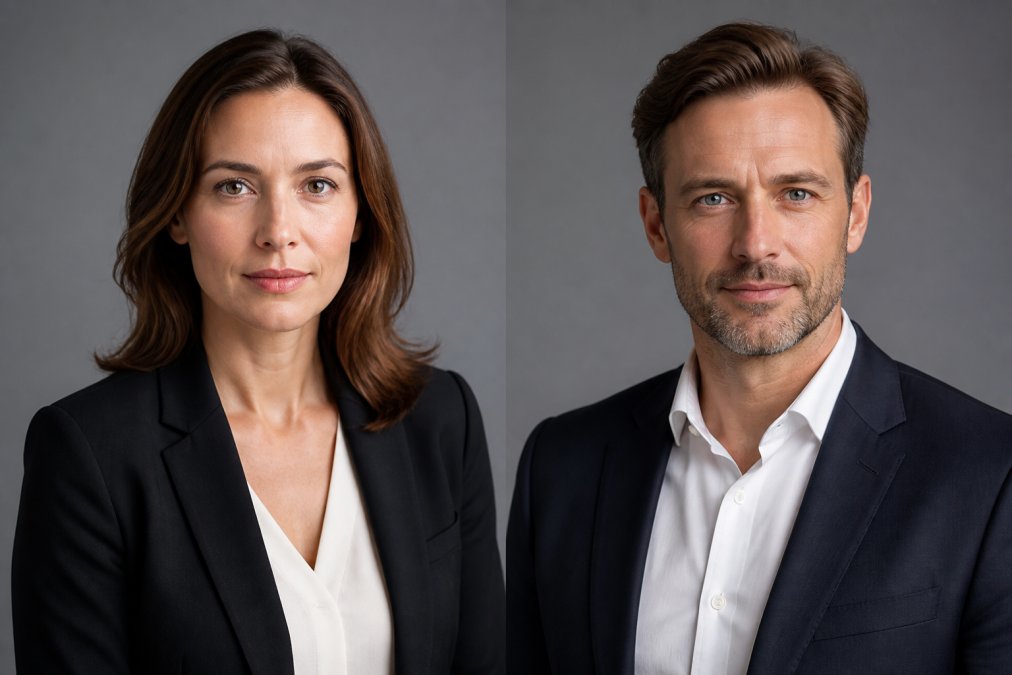
Finance, law, consulting, and executive positions demand conservative, formal attire. A well-fitted blazer in navy, charcoal, or black paired with a crisp white, light blue, or neutral shirt signals competence and trustworthiness. For women, a tailored blazer over a simple top creates a polished, authoritative appearance. For men, a blazer with a simple dress shirt and optional tie works universally.
Jewellery should be minimal and professional. Simple watches, small earrings, and understated necklaces work. Avoid anything that jingles, dangles, or creates visual distraction.
Creative Industries and Smart Casual
Creative fields allow more personality in professional portraits. Smart casual clothing works well: a well-fitted blazer without a shirt underneath, a quality sweater, or a stylish button-up shirt. You have more freedom to incorporate colour while remaining professional. However, "creative" doesn't mean "costume." The goal is to look like a creative professional, not someone who just rolled out of bed.
Professional Headshot Outfits UK: Fit, Layering and Necklines
The technical aspects of fit, layering, and neckline selection directly impact how your portrait photographs.
The Importance of Well-Tailored Clothing
Ill-fitting clothing is the fastest way to undermine a professional portrait. Well-tailored means the garment follows your body's contours without clinging or drooping. Sleeves should end at your wrist bone. Shoulder seams should sit at your natural shoulder point. The torso should have enough room to move without excess fabric bunching. If you're between sizes, choose the larger size and have it tailored.
Blazers, Cardigans and Strategic Layering
A blazer is the workhorse of professional portraiture. It instantly elevates any outfit and signals authority and competence. Cardigans offer a softer alternative while maintaining professionalism. Layering creates visual depth and interest, a quality sweater under a blazer gives the photographer more to work with compositionally. However, avoid over-layering; two layers works beautifully, three or more creates bulk and visual confusion. Ensure all layers fit properly so the blazer drapes cleanly.
Selecting the Right Neckline
Crew necks are universally flattering and professional. They create a clean line that doesn't distract from your face and work for virtually every industry and face shape. V-necks create a vertical line that can elongate your face and neck, working well for people with rounder face shapes or shorter necks. Avoid boat necks, scoop necks, mock necks, and turtlenecks, which can appear casual, trendy, or dated. Avoid anything with excessive neckline detail that draws the eye away from your face.
Accessories, Jewellery and Technical Considerations
Accessories and jewellery can elevate a professional portrait or undermine it entirely. The principle is consistent: accessories should enhance, not distract.
Minimalist Jewellery Guidelines
Less is always better with jewellery in professional portraits. Simple, understated pieces that complement your outfit work best. A classic watch, small stud earrings, and a simple necklace or bracelet are appropriate for most professional contexts. Avoid anything that jingles, dangles, or moves. Statement jewellery, chunky rings, bold necklaces, and oversized brooches compete with your face for attention.
Glasses, Glare and Virtual Backgrounds
If you wear glasses, reflections in the lenses can obscure your eyes. Work with your photographer to position lighting to minimize reflections. Some photographers recommend removing glasses for the headshot itself, particularly if your eyes are a strong feature. If you wear glasses regularly in your professional life, having a version of your headshot with glasses is valuable.
If your headshot will appear against a virtual background, consider how your clothing will read. Solid colours photograph more cleanly with virtual backgrounds than busy patterns.
Cultural and Religious Attire Considerations
Professional portraits should respect your cultural or religious identity. If you wear a hijab, turban, or other religious or cultural head covering as part of your professional identity, your headshot should reflect that. Your authentic professional appearance is more important than conforming to narrow Western professional norms.
Avoid trying to appear as something you're not in your professional portrait. If you typically wear religious or cultural attire professionally, excluding it from your headshot creates a mismatch that will be confusing when you meet people in person. Authenticity builds more trust than conformity.
Preparation Steps Before Your Professional Portrait Session
Successful professional portraits start days before you arrive at the studio. Preparation directly affects how comfortable you feel in front of the camera and how polished you appear in the final images.
Grooming and Hair Preparation
Plan your grooming for the day of your session, not the night before. Schedule any hair work 2-3 days before your session so your hair has time to settle into its natural shape while still looking freshly maintained. Hair should be clean and styled in a way that feels natural to you. For women, consider a style that frames your face without falling across it.
Skin should be well-moisturized but not oily. Oily skin reflects light and can appear shiny on camera. If you have particularly oily skin, use a matte primer before your session.
Seasonal Transition Tips and Wardrobe Planning
Seasonal changes affect what looks appropriate in professional portraits. However, your professional portrait should work year-round. Choose colours and styles that feel timeless rather than seasonal. Avoid heavily seasonal elements like thick winter coats or heavy scarves in your headshot.
Common Mistakes to Avoid
Wearing something new and untested is a common mistake. Your outfit should feel comfortable and familiar. Discomfort will show in your expression. Choosing an outfit based on trends dates your headshot quickly. Ignoring fit is perhaps the most common mistake, prioritize fit above all else. Bringing too many options to your session creates decision fatigue. Bring 2-3 top choices and let your photographer advise on which works best.
| Common Mistake | Why It's Problematic | Better Approach |
|---|---|---|
| Wearing something new and untested | Discomfort shows in facial expression and body language | Wear familiar clothing you feel confident in |
| Choosing trendy styles | Dates your headshot within months | Select timeless pieces in classic styles |
| Ignoring proper fit | Poor fit undermines even expensive clothing | Prioritize fit; tailor if needed |
| Over-accessorizing | Jewellery and accessories distract from your face | Keep accessories minimal and understated |
| Choosing very bright colours | Bright colours can overwhelm your face on camera | Stick to neutrals and jewel tones |
| Wearing busy patterns | Patterns compete with your face for attention | Choose solid colours or subtle textures |
Building Your Personal Brand Through Consistent Visual Identity
A professional portrait is the foundation of your visual brand. Consistency across your professional images builds recognition and trust. Once you have a headshot you love, use it consistently across all professional platforms. Your LinkedIn photo, company website bio, email signature, and professional social media should feature the same headshot.
Update your headshot every 2-3 years or when your appearance changes noticeably. Maintain consistency in your professional wardrobe beyond just your headshot. If your headshot features you in a navy blazer, ensure your actual professional wardrobe includes similar pieces. For actors, consistency is particularly important, casting directors want to see headshots that accurately represent how you look in person.
Your professional portrait is one of the most valuable professional assets you can invest in. The decisions you make about what to wear directly determine whether your headshot serves you effectively for years to come. By focusing on fit, colour, and professional appropriateness, you create an image that builds trust, generates opportunities, and represents you authentically.
At Neil Taylor Photography, we specialise in creating professional headshots that capture authentic presence while ensuring your wardrobe choices enhance rather than distract. Whether you need casting-ready actor headshots, LinkedIn portraits that build credibility, or corporate team photography, our studio and on-location sessions deliver polished results tailored to your specific professional context. Book your headshot session today and invest in the professional image that helps you stand out with confidence.
Frequently Asked Questions
What are the best colours for professional portraits in the UK?
Neutral colours like navy, charcoal, black, white and cream form the foundation of professional headshots. Jewel tones such as emerald, sapphire and burgundy also photograph well and complement various skin tones. Avoid bright neons or overly saturated colours that can distract from your face. Consider your skin tone and eye colour when selecting your palette, warmer skin tones often suit warm neutrals and golds, whilst cooler skin tones work well with silvers and cooler jewel tones.
Should I wear patterns or solid colours for professional headshots?
Solid colours are strongly recommended for professional portraits. Patterns, stripes, checks and busy designs can distract from your face and create visual noise in the photograph. They can also cause moiré effects on camera. Stick to simple, solid fabrics in your chosen colour palette. If you want texture, choose subtle weaves or matte finishes rather than bold prints or logos.
How important is fit for professional headshot outfits?
Fit is absolutely critical. Well-tailored, fitted clothing enhances your professional image and communicates confidence and attention to detail. Loose or ill-fitting garments can make you appear unprepared or unflattering on camera. Invest in clothing that fits your body properly, consider tailoring if needed. Proper fit also ensures your clothing doesn't distract from your face, which is the focal point of any professional portrait.
Can I wear glasses for my professional portrait?
Yes, you can wear glasses for professional portraits, but there are considerations. Anti-reflective lenses minimise glare and reflections that can obscure your eyes. Ensure your frames complement your face shape and don't dominate the composition. Avoid heavily tinted lenses that hide your eyes. If you wear glasses for work or everyday life, wearing them in your headshot creates authenticity and consistency with how clients or colleagues will see you.
What should I wear if I work in a creative industry versus corporate role?
Corporate and conservative roles call for formal business attire: tailored suits, blazers, and professional dresses in neutral colours. Creative industries allow more flexibility, you might wear smart casual, interesting textures, or bolder colours that reflect your personal brand. Consider your industry standards and the impression you want to make. Your headshot should align with how you'd dress for client meetings or networking events in your field.
How do I prepare my wardrobe for a professional portrait session?
Plan your outfit at least a week before your session. Choose 2-3 options that fit well, flatter your skin tone, and align with your industry. Ensure clothing is clean, pressed and free from wrinkles. Try on your chosen outfit beforehand to confirm fit and comfort. Consider how it will photograph, avoid anything too loose, tight, or distracting. Bring a backup outfit if possible. Coordinate with your photographer about the session's background and lighting to ensure your clothing complements the setting.
Should I include cultural or religious attire in my professional portrait?
Absolutely. If cultural or religious dress is part of your identity or professional life, incorporating it authentically into your portrait strengthens your personal brand and shows confidence in who you are. Whether it's a hijab, turban, traditional jewellery or other meaningful attire, wear it if it reflects how you present yourself professionally. Authentic representation builds trust and resonates with audiences who share your background or values.
This article was written using GrandRanker
Professional Headshots That Get You Noticed
Relaxed sessions • Professional guidance • Fast turnaround