Table of Contents
- Luke Granger vs John Driscoll: Key Differences at a Glance
- Photography Style and Approach
- How Long Should a Headshot Session Last
- Professional Headshot Photography Tips to Prepare
- Studio vs On-Location Headshots: What Each Offers
- Portfolio Quality and Industry Recognition
- Which Photographer Should You Choose?
- Conclusion
- Frequently Asked Questions
Last Updated: August 24, 2026
Luke Granger vs John Driscoll: Key Differences at a Glance
Choosing between Luke Granger vs John Driscoll photography services can feel overwhelming when both photographers have strong portfolios and established reputations. The decision often comes down to understanding their distinct approaches, the experience they deliver, and how their style aligns with your specific needs, whether you’re an actor seeking casting-ready headshots, an entrepreneur building your brand, or a corporate professional investing in LinkedIn credibility.
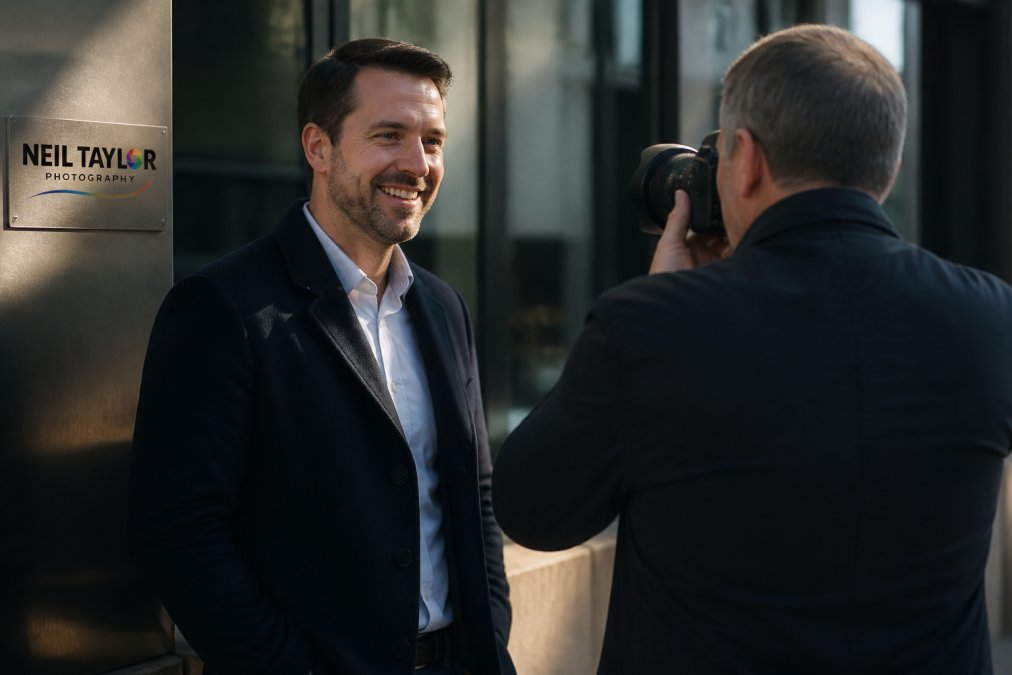
Neil Taylor Photography has worked with professionals across London and Kent who face this exact choice. The reality is that both photographers bring real talent to their work, but they differ significantly in their creative philosophy, session structure, and how they approach the relationship with clients. Understanding these differences helps you make a choice that genuinely serves your goals.
What makes this comparison valuable isn’t just listing features, it’s recognising where each photographer excels and where their approach might not suit your situation. This guide breaks down the practical distinctions so you can invest confidently in the right choice for your needs.
Photography Style and Approach
Luke Granger’s work is characterised by a documentary-focused aesthetic built on specific technical choices. His sessions typically employ natural or ambient light supplemented with minimal reflectors, prioritising the existing environment over controlled studio setups. This approach means he’s working with variable light sources, which requires faster film speeds and wider apertures, a technical constraint that shapes his final image palette. His post-production workflow emphasises subtle adjustments: colour grading that preserves skin tones naturally, minimal retouching, and preservation of environmental context. The result is images that feel candid and emotionally present, which appeals to actors seeking casting-ready headshots that read as authentic rather than over-produced.
John Driscoll‘s approach is built on controlled lighting systems and precise technical execution. His sessions typically use studio strobes or continuous lighting rigs that allow him to shape light deliberately, controlling contrast ratios, managing shadow detail, and creating consistent results across multiple subjects or sessions. This technical foundation enables higher resolution output and more predictable colour management. His post-production workflow includes more intensive retouching: skin refinement, background manipulation, colour grading that enhances visual impact, and file optimisation for digital platforms. The result is images that feel polished, commanding, and visually striking, the kind that photograph well on corporate websites or LinkedIn profiles where immediate visual impact matters.
These aren’t stylistic preferences; they’re operational differences. Documentary-focused work requires comfort with variable conditions and post-production restraint. Technically refined work requires investment in lighting equipment and post-production time. For actors in London and Kent preparing for auditions, this distinction is critical: casting directors often respond to headshots that feel authentic and emotionally present, which favours the documentary approach. For corporate professionals or entrepreneurs building personal brands, the polished aesthetic signals established credibility and professional investment, which favours the technical approach.
The choice also affects session experience. A documentary photographer will guide you toward natural moments and genuine expressions, asking you to think about emotion or intention rather than pose mechanics. A technically refined photographer will direct positioning more deliberately, explaining how your angle to the light, your shoulder position, or your chin tilt affects the final image. Neither approach is objectively superior; they serve different professional goals and different comfort levels with direction.
How Long Should a Headshot Session Last
A professional headshot session typically runs between 60 and 90 minutes, which provides enough time to capture genuine variety without creating fatigue or diminishing returns (the American Academy of Dermatology). This timeframe allows the photographer to work through multiple outfit changes, lighting setups, and expressions, building momentum as you become more comfortable in front of the camera.
Sessions shorter than 45 minutes often feel rushed (ppai.org). You’re just beginning to relax when the photographer is already packing up. Longer sessions beyond two hours tend to produce diminishing results; energy drops, expressions become forced, and the photographer ends up with quantity rather than quality.
The sweet spot depends on what you’re getting. A single-outfit session might work in 45 minutes. If you’re changing outfits, experimenting with different lighting, or shooting both headshots and full-length corporate imagery, you’ll want the full 90 minutes. Many professionals find that the middle of a session, around 45 to 60 minutes in, produces the best images, once initial nervousness has settled but before fatigue sets in (peer-reviewed research).
Professional Headshot Photography Tips to Prepare
Preparation separates headshots that work from headshots that don’t. Here’s what actually matters:
Wardrobe choices. Wear solid colours that complement your skin tone rather than patterns or busy designs. Jewel tones, neutrals, and colours that make you feel confident work best. Bring two or three options so you have variety without overwhelming the session. Avoid anything that restricts movement or makes you feel uncomfortable, tension shows in your face.
Hair and grooming. Style your hair as you would for an audition or professional meeting. If you’re uncertain, ask the photographer for guidance beforehand. A simple rule: anything that makes you feel like yourself is the right choice. Overthinking grooming often leads to looking less authentic.
Arrive early and settle in. Arrive at least 10 minutes before your session start time. This buffer lets you use the facilities, adjust to the space, and have a brief conversation with the photographer. Starting relaxed makes an enormous difference in your images.
Bring water and a snack. Staying hydrated and having a small snack available helps maintain energy throughout the session. A dry mouth shows in close-up headshots, and low blood sugar leads to tired expressions.
Think about your intention, not your face. Many people struggle in front of cameras because they’re thinking about how they look. Instead, think about a specific scenario or emotion. Imagine you’re about to walk into an important meeting, or recall a moment when you felt genuinely confident. This mental shift produces authentic expressions that photographs capture far better than forced smiles.
Communicate with your photographer. If something feels uncomfortable, mention it. If you want feedback on how an expression reads, ask. Professional photographers expect this conversation and welcome it. Silence often means discomfort, and discomfort shows in your images.
Studio vs On-Location Headshots: What Each Offers
Studio headshots provide controlled consistency. Lighting is predictable, backgrounds are neutral, and you can focus entirely on your expressions and positioning. This environment suits actors who need multiple outfit changes or professionals who want clean, distraction-free imagery. The controlled setting also means faster post-production since the photographer isn’t managing complex environmental variables.
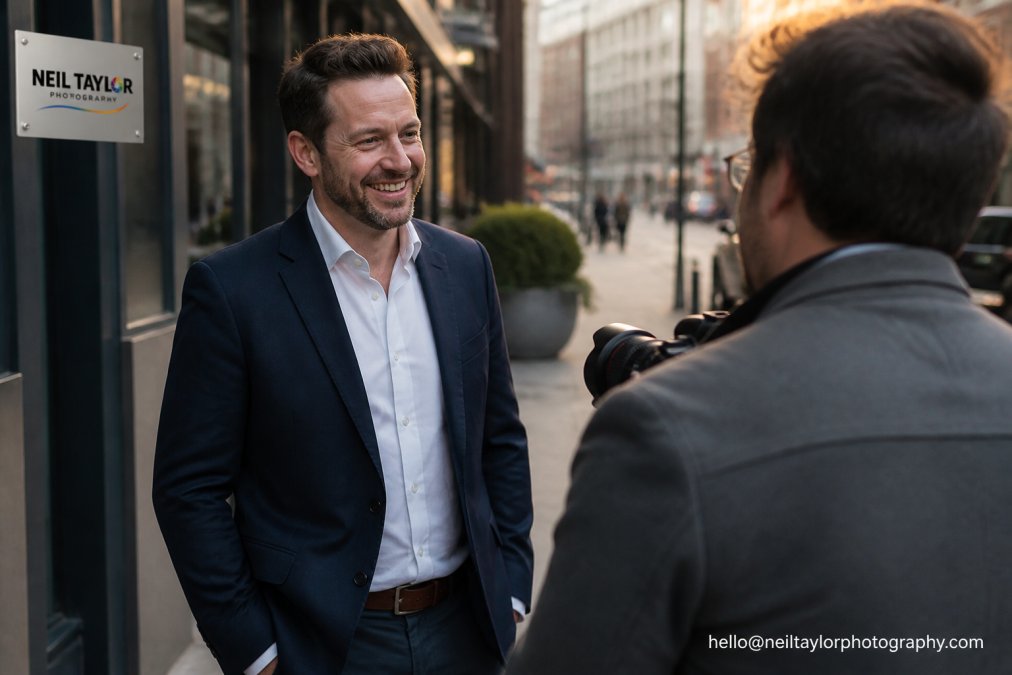
On-location headshots capture context and authenticity. An entrepreneur photographed in their workspace tells a story about their business. A creative professional shot in natural light often feels more approachable and genuine. On-location work also provides the photographer with more dynamic backgrounds and natural lighting that can feel warmer and more inviting than studio setups.
The trade-off is predictability. Weather changes, shadows shift, and environmental factors require the photographer to adapt in real time. Post-production often takes longer because the photographer is managing more variables. On-location sessions also work best with fewer outfit changes, moving between locations or waiting for better light eats into shooting time.
For corporate teams needing consistent imagery across multiple professionals, studio sessions usually make sense. For personal branding or actor headshots where authenticity matters most, on-location work often delivers stronger emotional impact. Neil Taylor Photography offers both approaches, recognising that different professionals have different priorities.
Consider your use case: Are you building a corporate portfolio where consistency across team members matters? Studio works. Are you establishing yourself as a thought leader or creative professional where personality and context matter? On-location often delivers better results.
Portfolio Quality and Industry Recognition
Evaluating portfolio quality requires looking beyond surface-level polish to understand whether a photographer’s work actually serves your industry’s specific needs.
Luke Granger’s portfolio demonstrates consistent technical skill in capturing candid moments with strong lighting control. His work appears across casting directories and professional networks, which signals that casting directors, agents, and actors trust his output. When reviewing his portfolio, look for: Do the headshots read emotionally? Can you see genuine expression rather than posed smiles? Are the images lit in a way that flatters without feeling artificial? For actors, this portfolio evaluation matters because casting directors respond to headshots that feel present and authentic. If his images make you feel like you’re looking at a real person rather than a polished product, that’s the signal that his approach aligns with casting industry expectations.
John Driscoll’s portfolio emphasises high-resolution digital files and polished post-production across multiple genres, commercial photography, aerial work, property photography, and corporate headshots. This range signals technical versatility and investment in professional-grade equipment and post-production systems. When reviewing his portfolio, look for: Are the images sharp and colour-accurate across different lighting conditions? Do the headshots feel premium and visually commanding? Is the retouching refined without looking artificial? For corporate professionals and entrepreneurs, this portfolio evaluation matters because LinkedIn algorithms and corporate recruiters respond to images that photograph well digitally and signal professional investment. If his images make you feel like they belong on a premium corporate website or executive profile, that’s the signal his approach aligns with corporate brand expectations.
Industry recognition only matters if it’s recognition within your specific field. An actor needs headshots that read well to casting directors, which means documentary authenticity often outweighs technical polish. A corporate professional needs images that build credibility with potential clients or investors, which means polished execution and visual impact often signal trustworthiness. A property developer or commercial business needs images that sell, which means technical precision and colour accuracy matter more than emotional authenticity.
Here’s how to evaluate portfolio fit: (1) Find 5-10 headshots in each photographer’s portfolio that match your industry or role. (2) Ask yourself: Would a casting director, recruiter, or client respond positively to this image? (3) Compare the lighting, retouching, and emotional tone to headshots you admire from people in your field. (4) Notice whether you feel more drawn to the documentary authenticity or the polished technical execution. Your instinctive preference is often the most reliable signal of which photographer’s approach will serve you best.
Both photographers have built solid reputations, but reputation is only valuable if it’s earned within your specific professional context. The photographer with stronger recognition among casting directors may not be the right choice for a corporate team. The photographer with the most polished technical output may not deliver the authentic presence an actor needs. Your evaluation should rest on whether their portfolio demonstrates success with professionals in your exact field.
Which Photographer Should You Choose?
Choose Luke Granger if you value documentary authenticity and emotionally driven imagery. His approach works exceptionally well for actors seeking casting-ready headshots that feel natural and present. If you want your images to capture genuine moments rather than carefully directed poses, his style delivers. His work also suits entrepreneurs and professionals who want their headshots to feel approachable and human rather than corporate.
Choose John Driscoll if you prioritise polished technical execution and high-resolution output. His approach works well for professionals seeking commanding, professionally curated headshots, the kind that make immediate impact on LinkedIn or corporate websites. If you want images that feel premium and precisely executed, his style delivers that consistently.
The honest answer is that both photographers produce work that serves their clients well. The choice isn’t about who’s objectively “better”, it’s about alignment. Your decision should rest on three factors: Does their aesthetic match your vision? Does their session structure work with your availability? Does their approach to the client experience feel right to you?
Many professionals find value in consulting with both photographers before deciding. Most will discuss your goals and show you relevant examples from their portfolio. This conversation often clarifies which approach genuinely resonates with you.
Conclusion
Luke Granger vs John Driscoll photography represents two distinct but equally valid approaches to professional headshots. Granger emphasises documentary authenticity and emotional presence; Driscoll prioritises technical polish and visual impact. Your choice should reflect your specific needs, your industry’s visual expectations, and the kind of working relationship you value.
If you’re still exploring options, consider that Neil Taylor Photography offers both studio and on-location sessions with a focus on capturing authentic, casting-ready imagery for actors, entrepreneurs, and corporate professionals. Whether you choose documentary storytelling or polished technical execution, the most important factor is investing in headshots that genuinely represent you and serve your professional goals.
Frequently Asked Questions
How long should a professional headshot session actually last?
A typical headshot session runs between 60 and 90 minutes. This allows time for styling adjustments, multiple outfit changes, and enough shots to capture natural expressions and varied poses. Rushed sessions under 45 minutes often feel pressured, whereas extended sessions beyond two hours can lead to fatigue showing in your images. The ideal length balances thoroughness with maintaining genuine energy throughout.
What’s the main difference between Luke Granger and John Driscoll’s photography approach?
Luke Granger specialises in documentary-style headshots that emphasise candid moments and natural light, creating emotionally driven imagery. John Driscoll tends towards more controlled studio setups with polished, consistent lighting and composition. Your choice depends on whether you prefer the storytelling, unobtrusive approach or the refined, high-resolution digital files typical of studio work.
Should I choose a studio or on-location headshot session?
Studio sessions offer controlled lighting, consistent backgrounds, and professional editing for polished results ideal for corporate use. On-location shoots provide natural light, authentic environmental context, and a more relaxed atmosphere that often yields genuine expressions. Consider your industry: actors and creatives often benefit from on-location’s narrative quality, whilst corporate professionals typically prefer studio’s consistency and professionalism.
What should I do to prepare for a professional headshot session?
Arrive well-rested with clean, styled hair and minimal makeup (makeup photographs darker than in person). Wear solid colours or subtle patterns that complement your skin tone and avoid busy designs. Bring 2-3 outfit options reflecting your industry and personal brand. Discuss your goals with your photographer beforehand, and plan your session around natural lighting if shooting on-location. Most importantly, eat something beforehand so you have energy for genuine expressions.
Check Availability, https://neiltaylorphotography/index.php/contact
For more information, contact us at hello@neiltaylorphotography.com
This article was written using GrandRanker