Table of Contents
- Why Professional Photography Matters for Small Business Growth
- How Professional Images Impact Conversion Rates and Customer Trust
- Benefits of Professional Business Headshots for Your Team
- How to Prepare for a Brand Photoshoot
- Small Business Photography Checklist
- Creating a Consistent Visual Brand Language Across Platforms
- Stock Photos vs Bespoke Photography for Authentic Brand Storytelling
- Conclusion
Last Updated: August 16, 2026
Why Professional Photography Matters for Small Business Growth
Professional photography for small businesses isn’t a luxury, it’s a strategic asset that shapes how potential clients perceive your brand before they ever speak to you. In a competitive landscape where first impressions happen in seconds, the difference between a blurry smartphone photo and a polished professional headshot can determine whether someone trusts you enough to make contact.
The reality is straightforward: people buy from those they trust, and trust begins with visual credibility. When your LinkedIn profile, website, or social media features authentic, high-quality imagery, you signal professionalism and investment in your own brand. Conversely, outdated or low-quality photos communicate neglect or a lack of resources, neither of which builds confidence.
At Neil Taylor Photography, we’ve worked with actors seeking casting-ready headshots, entrepreneurs building personal brands, and corporate teams establishing consistent visual identities. The pattern is consistent: those who invest in professional imagery see measurable improvements in client inquiries, conversion rates, and professional credibility. Below, we’ll show you exactly why professional photography for small businesses matters and how to approach it strategically.
The best time to invest in professional photography is before you need it. Waiting until you’re launching a campaign or desperate for new clients means you’ll be rushed. Plan ahead, and you’ll have assets ready when opportunities arise.
How Professional Images Impact Conversion Rates and Customer Trust
Professional images operate as silent salespeople on your website and social platforms. They communicate competence, attention to detail, and respect for your audience’s time. When visitors land on your site and see polished, intentional photography, their perception of your business shifts upward immediately.
Trust is built through consistency and professionalism. A team photo where everyone appears confident and well-presented creates psychological safety, the visitor thinks, "These people know what they’re doing." By contrast, mismatched, poorly lit, or amateur photos create doubt. The subconscious message is: "If they can’t invest in professional imagery, what else are they cutting corners on?"
Conversion research consistently shows that pages featuring authentic professional photography outperform those relying on generic stock images. The reason is simple: real photos of real people and real environments feel genuine. They create connection. Stock photography, by contrast, often feels impersonal and distant, which is why many users scroll past it without registering the message.
For small businesses competing against larger, more established companies, professional imagery levels the playing field. It says, "We’re serious about our brand and our clients." That confidence translates into inquiries, bookings, and sales.
Professional photography builds trust faster than any other marketing asset. It’s the visual equivalent of a firm handshake and direct eye contact, it establishes credibility before words are spoken.
Benefits of Professional Business Headshots for Your Team
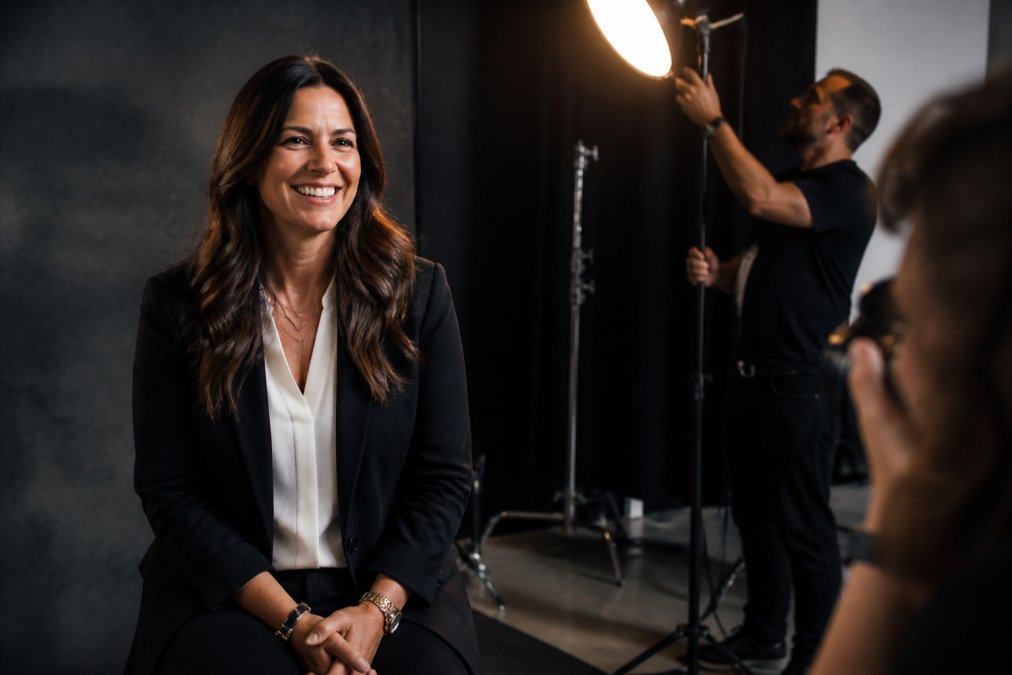
Business headshots serve a specific purpose: they introduce your team members as credible, approachable professionals. Whether displayed on your website’s team page, LinkedIn profiles, or corporate materials, professional headshots create consistency and professionalism that amateur photos cannot match.
For individual professionals, a quality headshot becomes the anchor of your personal brand. It’s what appears when someone searches your name, what greets visitors to your LinkedIn profile, and what accompanies your email signature. A professional headshot says, "I’ve invested in my image because I take myself seriously." That investment pays dividends in client confidence and professional opportunities.
The psychological effect is measurable. Profiles with professional headshots receive more connection requests, more client inquiries, and more engagement than those with selfies or outdated photos. People are drawn to professionalism, and a high-quality headshot signals that you are serious about your work.
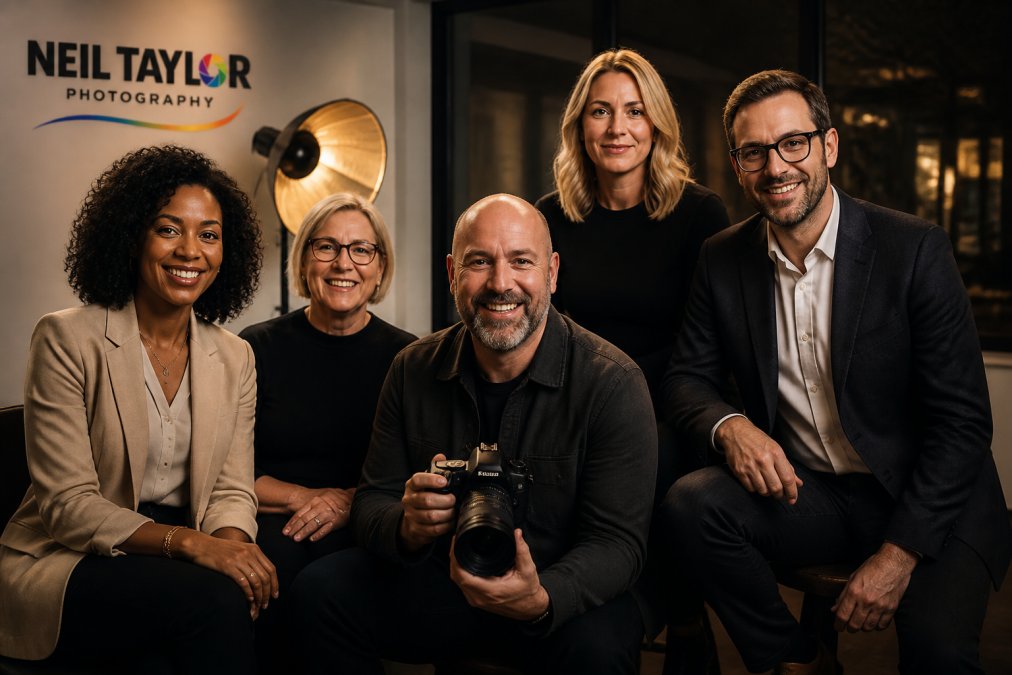
For teams, consistent professional headshots create visual unity. When your website displays a team page where everyone appears equally polished and professional, it reinforces the message that your business is organized, intentional, and trustworthy. Mismatched photos, some professional, some casual, some years old, create visual noise and undermine that message.
Professional business headshots also serve practical purposes. They’re reusable assets. One session produces images suitable for websites, LinkedIn, email signatures, company directories, marketing materials, and social media. That versatility makes the investment cost-effective compared to shooting new photos for each platform.
How to Prepare for a Brand Photoshoot
Preparation determines the quality of your results. A well-prepared photoshoot produces polished, usable images. A poorly prepared one wastes time, creates stress, and often yields mediocre results that don’t serve your brand.
Defining Your Visual Brand Direction
Before you step in front of the camera, clarify what your brand should communicate visually. Are you positioning yourself as approachable and creative, or authoritative and corporate? Should your imagery feel energetic and youthful, or calm and established? These decisions shape everything from clothing choices to location selection to the mood of the final images.
Visual brand direction isn’t about being overly formal or strictly adhering to a corporate handbook. It’s about intentionality. When you know whether your brand is "dynamic entrepreneur" or "trusted advisor," you make better choices about how you present yourself. That clarity translates into images that feel authentic rather than forced.
Consider your industry and target audience. A tech entrepreneur’s headshots might feature casual business attire and a relaxed setting, while a financial advisor’s headshots might call for formal business wear and a professional studio backdrop. The difference isn’t arbitrary, it’s strategic alignment between your visual presentation and your market’s expectations.
What to Wear and How to Present Yourself
Clothing choices matter more than most people realize. Your outfit should align with your brand direction while flattering your appearance and feeling comfortable enough that you can relax during the session.
General guidance: choose solid colours over busy patterns, fitted clothing over oversized styles, and pieces that feel like "you" rather than a costume. If you normally wear jeans and a blazer, don’t suddenly appear in a three-piece suit, the disconnect will show in your photos. Authenticity reads in images.
For professional headshots, business casual to business formal is typical. For actors seeking casting-ready headshots, the approach varies by role type and industry expectations. Discuss your specific needs with your photographer before the session so you arrive prepared.
Grooming and presentation matter. Get a haircut or style your hair a few days before the shoot so it looks fresh but settled. For makeup, the goal is enhancement, not transformation. If you typically wear makeup, wear it during your shoot. If you don’t, don’t start now. The images should look like you on your best day, not like a different version of yourself.
Bring multiple outfit options if possible. Having 2-3 clothing choices allows your photographer to capture variety and gives you options for different uses. A more formal option works for corporate websites, while a slightly more casual option might suit social media better.
Avoid wearing all white or all black for headshots, as these colours can create exposure issues in professional photography. Mid-tones and jewel tones photograph better and create visual interest. Also avoid busy patterns or large logos, which distract from your face.
Small Business Photography Checklist
A structured checklist ensures nothing is overlooked before your shoot. Use this to prepare:
Book your headshot session today →
| Preparation Area | Checklist Item | Timing |
|---|---|---|
| Wardrobe | Choose 2-3 outfit options aligned with brand direction | 1 week before |
| Grooming | Schedule haircut/style and plan makeup approach | 3-5 days before |
| Location | Confirm studio or on-location setting with photographer | 2 weeks before |
| Logistics | Arrange transport, parking, and arrival time | 1 week before |
| Mindset | Get adequate sleep and avoid heavy meals before shoot | Day of |
| Assets | Bring ID, payment method, and any brand guidelines | Day of |
| Follow-up | Plan how you’ll use and distribute final images | After delivery |
Before your session, discuss with your photographer what specific uses you have in mind. Do you need LinkedIn headshots, website team photos, casting materials, or a mix? Knowing this helps your photographer frame shots appropriately and suggest poses that work best for your intended use.
Arrive early to the shoot location. This gives you time to settle, use the facilities, and feel comfortable before the camera starts rolling. A rushed, stressed arrival often shows in the first few frames. Give yourself 15-20 minutes to decompress and feel grounded.
During the session, trust your photographer’s direction. They’ve guided hundreds of people through this process and know which angles, poses, and expressions work best. Their job is to make you look confident and authentic. Your job is to relax and follow their guidance.
Creating a Consistent Visual Brand Language Across Platforms
Consistency is what transforms individual images into a cohesive brand identity. When your LinkedIn profile, website, social media, and email signature all feature images with the same aesthetic, similar lighting, colour palette, composition style, and energy, your brand becomes instantly recognisable. That recognition builds trust and professionalism.
Visual consistency doesn’t mean every photo is identical. It means they share common elements: a consistent backdrop or location style, similar colour grading, matching lighting quality, and aligned emotional tone. A viewer should be able to see an image and immediately know it’s from your brand.
This is where working with a single professional photographer becomes valuable. When one photographer shoots your headshots, team photos, and brand portraits, they maintain visual consistency naturally. Their lighting setup, editing style, and compositional preferences create a unified aesthetic across all images. By contrast, sourcing photos from multiple photographers often results in a disjointed visual identity, one image is warm-toned, another cool; one is brightly lit, another moody.
For small businesses, consistency extends beyond photography to how images are used. Display team headshots at the same size and aspect ratio across your website. Use the same background or framing for all LinkedIn profile photos. Apply consistent colour grading to all social media images. These small choices compound into a professional, intentional brand presence.

Create a simple visual brand guide for your team that documents your photography style, colour palette, and acceptable uses of imagery. This ensures consistency as your business grows and new team members join.
Stock Photos vs Bespoke Photography for Authentic Brand Storytelling
The choice between stock photography and bespoke professional photography is fundamental to how your brand is perceived.
Stock photography is affordable, quick, and convenient. You can find images of professionals, teams, and business scenarios within minutes. For small businesses with limited budgets, stock images can fill gaps where custom photography isn’t yet feasible.
However, stock photography has a ceiling. It feels generic by design. Thousands of other businesses use the same images. When a visitor sees a stock photo on your website, they recognise it as stock, which subtly communicates that your business couldn’t invest in authentic imagery. The message, however unintended, is: "We’re generic."
Bespoke professional photography tells a different story. These are images of your actual team, your actual workspace, your actual brand. They communicate authenticity, investment, and confidence. When a potential client sees real photos of real people and real environments, they connect more deeply. They think, "This is a real business run by real people I could work with."
The difference extends to storytelling. Stock photos can only show generic scenarios. Professional photography captures your unique brand personality. If your business has a specific culture, aesthetic, or approach, bespoke photography reflects that. It becomes part of your brand narrative rather than a placeholder.
For small businesses competing on authenticity and personal connection, bespoke professional photography is worth the investment. It differentiates you from competitors using the same stock images and builds genuine connection with your audience.
Neil Taylor Photography specialises in creating bespoke imagery for actors, entrepreneurs, and business professionals who need authentic, casting-ready or brand-focused photography. By working with a photographer who understands your specific needs, whether that’s actor headshots for auditions or corporate team photography, you receive images tailored to your exact purpose rather than generic alternatives.
Investing in professional photography for small businesses is an investment in how your brand is perceived and trusted. Quality imagery builds credibility, improves conversion rates, and creates assets that serve your business across multiple platforms for years.
The next step is planning your shoot. Clarify your brand direction, prepare your wardrobe, and connect with a photographer who understands your specific needs. Whether you need casting-ready actor headshots, professional business headshots for LinkedIn, or consistent team photography for your website, the preparation process is the same: intentional planning leads to professional results.
Check Availability to book your professional photography session with Neil Taylor Photography. You can also reach out directly at hello@neiltaylorphotography.com to discuss your specific needs and get started on creating imagery that elevates your brand.
Frequently Asked Questions
Why is professional photography important for small businesses?
Professional photography builds trust and credibility with your audience. High-quality images show you take your business seriously and create a strong first impression. Authentic imagery across your website, LinkedIn, and marketing materials helps customers connect with your brand and increases the likelihood they'll choose you over competitors. Professional aesthetics signal professionalism and proficiency in your field.
How do I prepare for a professional brand photoshoot?
Start by defining your visual brand direction and the message you want to convey. Choose outfits that reflect your brand personality and industry standards. Prepare your space if shooting on location, ensure good lighting, and remove clutter. Brief your photographer on your goals, audience, and any specific shots you need. Arrive well-rested and with hair and makeup done. Discuss the number of looks, outfit changes, and final deliverables beforehand to ensure you get what you need.
What should a small business photography checklist include?
Your checklist should cover: defining your shoot's purpose and target audience, selecting appropriate clothing and styling, preparing your location or studio space, creating a shot list of essential images needed, confirming lighting and technical requirements, arranging any props or branding elements, scheduling hair and makeup if needed, and planning how you'll use the final images. Also include post-production expectations, timeline for receiving edited images, and how many final deliverables you'll receive from the session.
What are the benefits of professional business headshots for my team?
Professional headshots create consistency across your company's online presence, building a cohesive brand identity. They establish trust with clients and prospects by showing a polished, credible team. Quality headshots boost LinkedIn profiles, making employees more discoverable and improving your company's professional reputation. They're essential for marketing materials, websites, and internal communications. Authentic, high-quality headshots also improve employee morale and give your team confidence in how they're represented to the world.
This article was written using GrandRanker