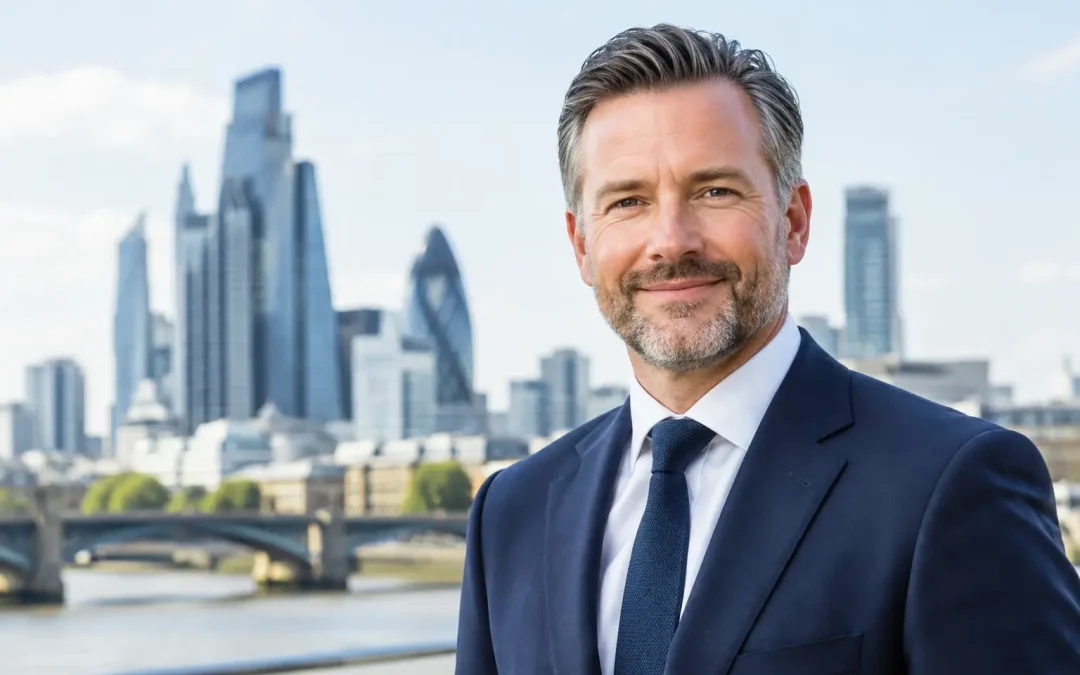
A profile photo can be seen before you have exchanged a single word. On LinkedIn, a company website, a speaker biography or a proposal, it quietly answers a question: does this person look credible, approachable and ready to lead? That is why executive headshots London professionals use should feel more considered than a quick photograph against a plain wall.
The right image does not need to make you look like somebody else. It should help people recognise the best version of how you already come across in person: composed, capable and easy to trust. For many executives, founders and senior professionals, the concern is not whether a new photograph is needed. It is the prospect of being photographed at all. A well-run session removes that pressure with clear direction, a calm pace and an understanding of what the image needs to achieve.
Why Executive Headshots Matter Before a Meeting
Professional relationships increasingly begin on a screen. A recruiter may view your profile before inviting you to speak. A prospective client may look at your team page while deciding whether to make contact. A journalist, event organiser or investor may need a photograph at short notice. In each case, an outdated, poorly lit or overly casual image can make your professional presence feel less established than it is.
A strong executive portrait creates consistency between your reputation and your appearance. It does not need to be severe to look professional. In fact, an expression that is too guarded can work against you, particularly in roles built on client relationships, leadership or collaboration. The goal is a portrait with presence and warmth, not a fixed smile or a rigid pose.
This matters just as much for experienced leaders as it does for people stepping into a new role. A promotion, board appointment, business launch or move into consultancy is often the right moment to update your imagery. Your headshot should reflect where you are now, not where you were several years ago.
What Makes an Executive Headshot Useful
Executive headshots are not simply about flattering light, although that is part of the process. They need to work across the places where your professional identity appears. This could include LinkedIn, corporate websites, press features, pitch decks, annual reports and internal communications.
For that reason, a useful headshot starts with purpose. A senior solicitor may need a polished, reassuring portrait that works within a formal firm website. A founder may want something more direct and personal for social media, presentations and press. A creative director might need a slightly more relaxed visual style without losing authority. There is no single expression or background that suits every professional.
The most effective images balance several qualities at once. They are well lit, technically polished and properly composed, but they also feel believable. Skin should still look like skin. Your posture should look natural rather than posed for the sake of posing. Retouching should refine distractions without removing character.
A headshot also needs enough space around the subject to crop well for different platforms. LinkedIn favours a close crop, while website banners, magazine layouts and presentation slides may require more room around the image. Planning for those uses during the shoot gives you more flexibility from the final selection.
A Guided Session Makes the Difference
People rarely arrive for a headshot session knowing exactly where to put their hands, how far to turn their shoulders or which expression looks most natural on camera. They should not be expected to. Good executive photography is guided photography.
Before the camera comes out
Preparation starts with a short conversation about how and where the images will be used. This helps establish the right visual direction, from the style of background to the level of formality in clothing. If your company has brand guidelines or existing team photographs, these can be considered so the new images sit comfortably alongside them.
Wardrobe is important, but it does not need to be complicated. Choose clothes that fit well, make you feel comfortable and reflect the way you would dress when meeting an important client. Solid colours and subtle textures generally photograph well. Very bold patterns, large logos and clothing that feels unfamiliar can draw attention away from your face.
It can be sensible to bring a couple of options. A jacket can give a more formal look, while an open collar or a different layer may create a slightly more approachable alternative. The best choice depends on your role and audience, not a universal rule.
During the shoot
The session should not feel like a test of whether you are naturally photogenic. You will be guided through posture, body angle, chin position and expression in small, practical adjustments. Often, a tiny change in the shoulders or a moment to relax between frames has a greater effect than trying to hold a particular pose.
Conversation also helps. When people are concentrating too hard on the camera, their expression can become tense. A calm, clear approach gives you time to settle, review the direction and build confidence as the session progresses. This is particularly valuable if you dislike having your photograph taken or have had an uncomfortable experience in the past.
At Neil Taylor Photography, the aim is not to rush clients through a formula. It is to create polished images through thoughtful direction, so you leave with photographs that feel like you on a very good day.
Selecting and refining the final images
After the session, a proof gallery makes it easier to choose images with a clear head rather than feeling pressured to decide in the moment. Look beyond whether you simply like the image. Consider which portrait communicates the right message for your role. Does it look confident without appearing distant? Does it fit the audience who will see it?
Professional retouching should be discreet. Temporary blemishes, distracting shine and minor details can be softened, while your features, texture and personality remain intact. The finished high-resolution files should be ready to use across professional channels.
Studio or Office: Which Setting Is Right?
A studio session offers consistency and control. Lighting, background and the pace of the shoot can all be managed carefully, making it a strong choice for individuals who want a timeless, focused portrait. It is also useful when several staff members need matching images over time.
On-location photography can be equally effective. An office, meeting space or suitable workplace setting can add context and convenience, especially for a leadership team with busy diaries. It may be the better option if your brand benefits from showing a sense of place. The trade-off is that natural light, available space and background distractions need more consideration.
For a corporate team, consistency is usually more important than making every image identical. Matching light, framing and overall tone creates a professional set, while each person can still look relaxed and individual. This is far more appealing than a page of stiff, interchangeable portraits.
Executive Headshots London Teams Can Use Consistently
When a company grows, its imagery often becomes uneven. One leader has a recent studio portrait, another uses an old conference photograph and a new starter has a cropped holiday image. This can unintentionally make a carefully built business look less joined up.
A planned headshot day gives teams a practical way to create consistency without taking everyone away from work for long. A clear schedule, repeatable setup and calm guidance help each person feel supported, including those who are reluctant to be photographed. It also creates a reliable approach for future hires, rather than restarting the process every time someone joins.
For larger teams, agree the intended usage first. Website profile images may need a particular crop and background, while marketing campaigns could benefit from a wider selection of portraits. A small amount of planning at the beginning avoids a collection of images that look good individually but do not work together.
Common Questions About Executive Headshots
What should I wear for a professional headshot?
Wear something that feels appropriate to your normal professional environment, rather than buying an outfit purely for the session. Well-fitting clothing in colours that suit you is usually more effective than an overly formal look that feels unnatural. Bring a second option if you are unsure, particularly if you need both formal and more relaxed images.
I am not comfortable in front of the camera. Does that matter?
No. Most people being photographed for work are not models and do not enjoy being the centre of attention. The session should provide direction throughout, with simple adjustments and enough time to relax. You do not need to prepare poses or practise expressions beforehand.
How often should I update my headshot?
There is no fixed deadline, but every two to three years is a useful guide for many professionals. Update it sooner if your appearance has changed, you have moved into a more senior role, or your current image no longer represents the way you want to be seen professionally.
Should my LinkedIn photograph match my company website image?
Usually, yes. Using the same recent, professional portrait helps people recognise you across different channels and strengthens personal consistency. If you need more than one style, choose images taken in the same session so they still feel connected.
A good headshot is a modest investment in a very visible part of your professional reputation. When you are ready to update yours, choose a session that gives you the direction, time and reassurance to look confident without having to perform for the camera.