Table of Contents
- What Makes a Great Actor Headshot Photographer
- How to Choose an Actor Headshot Photographer
- Actor Headshot Examples: What to Look For
- What to Wear for Actor Headshots
- How Long Is an Actor Headshot Session
- Why Fresh Headshots Matter for Your Acting Career
- Conclusion
- Frequently Asked Questions
Last Updated: October 4, 2026
What Makes a Great Actor Headshot Photographer
A great actor headshot photographer understands that your image is your calling card. It’s the first thing casting directors see, and it needs to capture both your essence and your professionalism in a single frame. The best actor headshot photographers combine technical skill with an understanding of what casting directors actually want to see.
Experience matters here. Photographers who specialise in actor headshots know how lighting affects your features, how to position you to show your best angles, and how to direct you into genuine expressions rather than stiff, uncomfortable poses. They understand that your headshot needs to look like you on your best day, not a retouched version that bears no resemblance to who walks into the audition room.
The difference between a good headshot and a great one often comes down to the photographer’s ability to make you feel comfortable. When you’re relaxed, your natural personality shines through. A photographer who knows how to work with actors will guide you through the session, give you direction that makes sense, and capture moments when you’re genuinely engaged rather than just smiling at the camera.
The best headshot photographers ask questions about your casting type before the session starts. Understanding whether you’re being seen for dramatic roles, comedic parts, or leading man/woman types helps them direct you toward expressions and styling that match your actual audition profile.
How to Choose an Actor Headshot Photographer
Choosing the right actor headshot photographer comes down to three key factors: their portfolio, their experience with casting requirements, and what previous clients say about working with them.
Portfolio and Style
Start by looking at their actual work. A strong portfolio shows consistency, not just one or two great shots, but dozens of headshots that demonstrate range and quality. You’re looking for images where actors genuinely look like themselves, not overly retouched versions that bear no resemblance to real life.
Pay attention to lighting and background choices. Most casting-ready headshots use simple, neutral backgrounds that keep focus on your face. The lighting should be flattering but natural-looking, highlighting your features without creating harsh shadows or making you look washed out.
Different photographers have different styles, and that matters. Some shoot with more dramatic lighting, others prefer softer, more approachable looks. Some specialise in colour headshots, others in black and white. Your choice should match your casting type and the industry standard for your genre. If you’re auditioning for theatre, film, or television, the expectations differ slightly, a good photographer will know those distinctions.
Experience with Casting Directors’ Requirements
Not all photographers understand what casting directors actually want. The best actor headshot photographers have worked with enough actors to know the unwritten rules: your headshot should look like you, your expression should be engaging but not overdone, and the image should feel current without being trendy.
Ask potential photographers whether they’ve worked with actors before and how many headshot sessions they’ve done. A photographer with genuine experience in actor headshots will know that oversaturated colours, extreme filters, or overly stylised poses work against you. They understand that casting directors want to see you clearly and authentically.
Client Reviews and Testimonials
Real feedback from previous clients tells you what it’s actually like to work with someone. Look for comments about the photographer’s direction, how comfortable clients felt during the session, and whether they were happy with the final images. Pay particular attention to whether clients mention feeling natural and relaxed, that’s a strong indicator of a skilled director.
The photographer who makes you feel most comfortable during the shoot is usually the one who’ll capture your best images. Your comfort directly translates to better expressions and more authentic results.
Actor Headshot Examples: What to Look For
When you’re reviewing headshot examples, look for images where the actor’s personality comes through clearly. A strong headshot shows genuine engagement in the eyes, a natural expression (not an exaggerated smile), and clear visibility of your face and features.
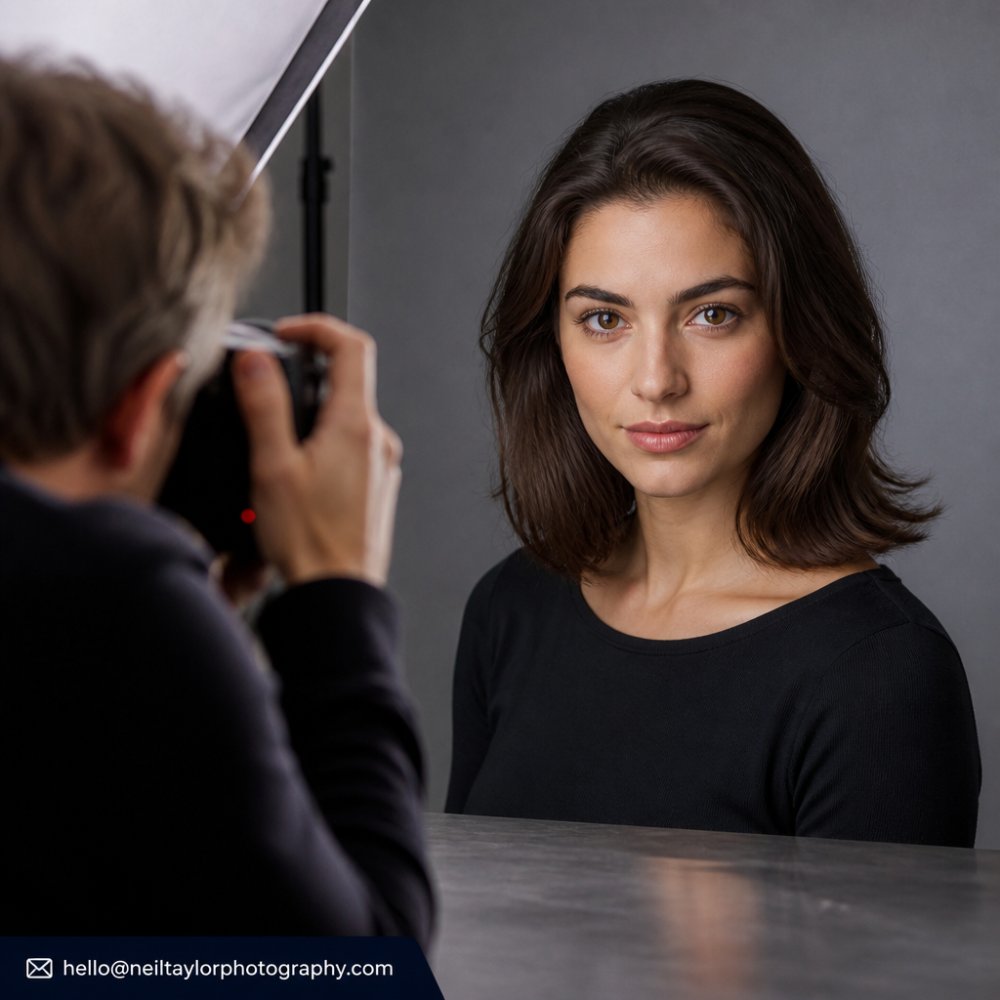
The best headshots tend to have these qualities in common: sharp focus on the eyes, flattering but realistic lighting, a simple background that doesn’t compete for attention, and an expression that matches your casting type. If you’re auditioning for dramatic roles, your expression might be more serious or introspective. If you’re going for comedic parts, a warmer, more engaging expression works better.
Pay attention to how the photographer has positioned the actor’s head and shoulders. Slight angles often look more natural than straight-on shots. The head tilt, shoulder position, and body angle all contribute to how approachable and professional you appear.
Look at colour versus black and white examples. Colour headshots are standard now and show more of your natural appearance, but some photographers still offer black and white options. Most casting directors prefer colour because it’s more current and shows your actual colouring.
What to Wear for Actor Headshots
What you wear matters more than many actors realise. The goal is to look like yourself on your best day, not to wear a costume or something that makes you feel uncomfortable.
Solid colours work best, they keep attention on your face rather than competing patterns or busy designs. Dark colours like charcoal, navy, or black are safe choices that photograph well and create contrast that makes your face stand out. Avoid white or very light colours unless you have darker skin tones; they can wash you out or create harsh contrast.
Fit is critical. Wear something that fits your body well and feels comfortable. Tight or loose clothing can make you look uncomfortable, and that shows in your expression. Choose something you’d actually wear to an audition, casting directors want to see you looking like yourself, not dressed up in something that feels foreign.
Necklines matter more than you might think. Avoid high necklines that hide your neck and shoulders; they can make you look stiff. V-necks, scoop necks, and boat necks all work well. Avoid anything with logos, slogans, or busy patterns that distract from your face.
Jewellery should be minimal. A simple necklace or earrings are fine, but avoid anything that jangles, reflects light, or draws attention away from your face. Your face is the focus, everything else should be subtle.
Book your headshot session today →
Avoid wearing anything with text, logos, or brand names. Casting directors focus on your face, and visible branding can distract from that or date your headshot quickly if the brand goes out of style.
How Long Is an Actor Headshot Session
Most actor headshot sessions run between 30 minutes and one hour. That timeframe gives you enough time to get comfortable in front of the camera, try different expressions and angles, and capture a solid range of images without the session feeling rushed or dragging on too long.
Within that time, a skilled photographer will typically shoot 100-300 images depending on the session structure. From that volume, you’ll usually get 10-20 final, edited images to choose from. The photographer will guide you through different expressions, neutral, smiling, more serious, more engaged, and capture variations of each.
The first few minutes of any session are usually the warm-up period. You might feel stiff or self-conscious at first, but most photographers know this and will chat with you, give you direction, and help you relax. By the midpoint of the session, most actors feel more natural, and that’s often when the best images come through.
A good photographer will also take breaks if you need them. If you’re feeling tired or your expression is getting stale, a quick break can reset your energy and lead to better shots in the final part of the session.
Why Fresh Headshots Matter for Your Acting Career
Using the same headshot for years works against you in ways many actors don’t realise. Casting directors see hundreds of headshots weekly, and they expect current images that match your actual appearance now. If your headshot is eight years old, you’re not doing yourself any favours.
Your appearance changes over time. Your hair colour might shift, your face matures, your style evolves. A headshot from years ago might not look like you anymore, and that disconnect creates problems when you walk into an audition room. Casting directors notice when someone looks significantly different from their headshot, and that creates an awkward moment that works against you.
Beyond appearance, headshot technology and standards have evolved. Images shot eight years ago often look dated, the lighting style, the background choices, the colour grading all signal an older image. Current headshots look fresher and more professional, which reflects well on you as a working actor who stays current.
Fresh headshots also give you a psychological advantage. When you know your headshot represents you well and looks current, you approach auditions with more confidence. You’re not worried about whether your image matches your appearance or whether it looks outdated. That confidence translates into better audition performances.
Actors actively auditioning should update their headshots every 1-2 years, or whenever their appearance changes noticeably. If you’ve changed your hair significantly, lost or gained weight, or simply feel like your current headshot doesn’t capture you anymore, it’s time for fresh images.
Conclusion
Finding the right actor headshot photographer matters because your headshot is often your first impression with casting directors. The best photographers combine technical skill, experience working with actors, and an understanding of what the industry actually wants to see. They make you feel comfortable, direct you toward genuine expressions, and deliver images that represent you authentically.
At Neil Taylor Photography, we specialise in creating casting-ready headshots that help actors stand out. We understand the specific requirements casting directors look for, and we work with you to capture images that feel natural and professional. Our studio and on-location sessions are designed to make you comfortable so your genuine personality shines through in every frame.
Check Availability: neiltaylorphotography.com
Email: hello@neiltaylorphotography.com
Your headshot is your calling card. Invest in images that represent you well, and update them regularly as your career progresses. The right photographer makes all the difference.
Frequently Asked Questions
How often should I update my actor headshots?
Most casting directors recommend updating your headshots every 2-3 years, or sooner if you’ve had a significant change in appearance. If you’ve been using the same headshot for 8 years or more, a fresh set will make a measurable difference in audition callbacks. Your headshot is your first impression, casting teams expect current, accurate images that reflect how you look today.
What should I wear for actor headshots?
Wear solid colours that complement your skin tone, avoid busy patterns, logos, or anything that distracts from your face. Neutrals like black, grey, navy, or earth tones work well for most actors. Choose something you feel confident in, and consider bringing 2-3 options so your photographer can help you choose. Avoid heavy jewellery or accessories that might catch light or distract from your expression.
How long does a typical actor headshot session take?
A professional headshot session typically runs 30 minutes to 1 hour. This gives your photographer time to set up lighting, take multiple shots, adjust poses and expressions, and capture natural, authentic images. Longer sessions allow for more outfit changes and variations, which is useful if you want different looks for different character types.
What should I look for in an actor headshot photographer’s portfolio?
Look for consistency in quality, natural lighting, and authentic expressions rather than overly posed or retouched images. Check whether their work shows actors who look like casting-ready professionals. Read client reviews to see if they mention feeling comfortable and natural during the shoot. A good portfolio will show variety in actor types and styles, proving they can work with different looks and personalities.
For more information, contact us at hello@neiltaylorphotography.com