Table of Contents
- John Driscoll vs Matt Rock: Quick Comparison
- John Driscoll: Background and Photography Style
- Matt Rock: Background and Photography Style
- How Long Should a Headshot Session Last
- Studio vs On-Location Photography: Which Suits You
- Professional Headshot Photography Tips for Your Session
- Making Your Choice: John Driscoll vs Matt Rock
- Frequently Asked Questions
Last Updated: August 31, 2026
John Driscoll vs Matt Rock: Quick Comparison
Choosing the right headshot photographer can transform how you’re perceived professionally. When you’re comparing John Driscoll vs Matt Rock, you’re weighing two different approaches to professional portraiture, and the choice depends entirely on what you need from your images and how you work best.
This comparison breaks down exactly what each photographer brings to the table, how their styles differ, and whether a studio or on-location session suits your goals. We’ll also cover the practical side: session length, preparation tips, and how to know which photographer aligns with your needs.
| Aspect | John Driscoll | Matt Rock | Best For |
|---|---|---|---|
| Specialisation | Headshots for actors, professionals, LinkedIn | Wedding, corporate events, headshots, portraits | Actors and professionals seeking headshots |
| Session Style | Studio-focused, controlled environment | Documentary and portrait approach, varied settings | Preference for controlled studio vs. natural candid |
| Experience | Specialist in casting-ready headshots | Multi-award-winning with 16+ years across genres | Career depth and award recognition |
| Pricing Transparency | Clear package pricing available | Wedding packages transparent; headshot pricing varies | Budget clarity and comparison |
| Best Suited For | Actors, business professionals, LinkedIn updates | Couples, corporate events, diverse photography needs | Your specific photography type |
John Driscoll: Background and Photography Style
John Driscoll has built a reputation for understanding exactly what casting directors and recruiters want to see in a headshot. His approach centres on creating images that feel authentic without sacrificing professionalism, a balance that matters when your photo is the first thing a casting agent or hiring manager sees.
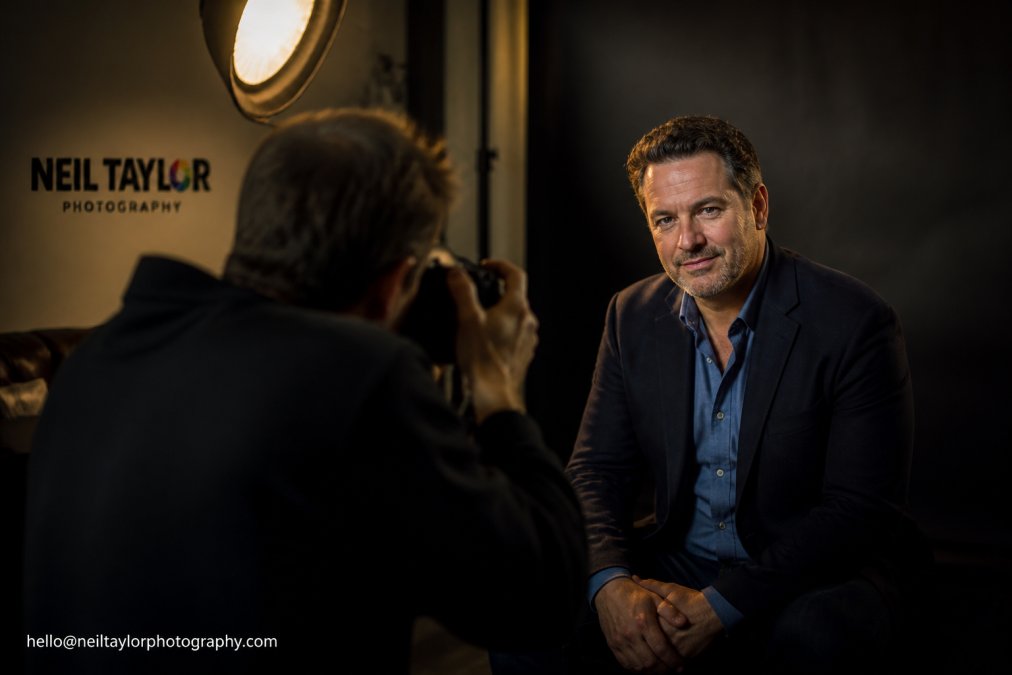
His photography style emphasises clarity and presence. Rather than heavily stylised or overly retouched images, Driscoll’s work tends toward natural-looking portraits that still feel polished. For actors, this means headshots that show genuine personality, the thing that makes casting directors remember you. For business professionals, it means images that convey competence and approachability simultaneously.
The studio environment allows Driscoll to control every variable: lighting, background, and consistency across multiple shots. This consistency matters if you’re building a cohesive personal brand or need several variations for different audition types. Actors often appreciate this precision because casting briefs can be specific, sometimes you need a “corporate professional” look, sometimes an “approachable creative,” and having multiple polished options from a single session saves time and money.
His client base skews heavily toward actors and professionals in London and Kent seeking casting-ready material. The feedback typically highlights how natural the images feel despite the controlled environment, which is harder to achieve than it sounds. Many photographers either produce stiff, over-lit studio shots or overly casual images that don’t read as professional. Driscoll appears to navigate that middle ground effectively.
Matt Rock: Background and Photography Style
Matt Rock brings 16+ years of professional photography experience and multiple awards to his work. His portfolio spans weddings, corporate events, product photography, and portraits, making him a generalist with genuine depth rather than a specialist in any single category.
His photography philosophy emphasises documentary-style, unobtrusive capture. For weddings, this translates to candid moments that feel natural rather than posed. For headshots and portraits, it means capturing personality in a way that feels relaxed and authentic. The approach works well for people who tense up in front of cameras or who want images that feel more editorial than corporate.
Matt Rock’s headshot pricing isn’t publicly listed on his website in the same transparent way as some specialists, though his wedding packages are clearly stated. This is fairly common for photographers who offer diverse services, the pricing model shifts depending on the project type, timeline, and specific requirements. For headshots specifically, you’d need to contact him directly for a quote.
The multi-award recognition speaks to technical skill and consistency across different photography genres. However, specialisation matters for headshots. A photographer who excels at wedding photography, where the goal is capturing emotion and spontaneity, may approach headshots differently than someone who specialises in casting-ready actor portraits, where precision and control are paramount.
How Long Should a Headshot Session Last
A typical professional headshot session lasts between 30 minutes and one hour. This timeframe gives you enough shots to have genuine variety without becoming exhausting or eating up your entire day.
Within that window, a skilled photographer captures multiple looks: different angles, expressions, and sometimes clothing changes if you’ve brought options. You’re not just getting one or two images; a full session typically yields 50-100+ shots, from which you’ll select your final edits.
The length depends on a few factors:
- Number of outfit changes: If you’re bringing multiple looks (business formal, creative casual, athletic wear for different industries), add 10-15 minutes per outfit change for adjustments and retakes.
- Photographer’s pace: Some photographers work quickly and methodically; others build in more discussion and direction. Both approaches work, it’s about your comfort level.
- Your experience in front of cameras: If you’ve done headshots before, the session moves faster. First-timers often need more guidance and reassurance, which naturally extends the timeline.
- Location setup: Studio sessions are typically faster because lighting and background are already configured. On-location shoots add 15-20 minutes for positioning and light assessment.
Most professionals find that 45 minutes hits the sweet spot. It’s long enough to feel unhurried and capture genuine variety, but short enough that you don’t fatigue or overthink every shot. Beyond 90 minutes, you’re usually just repeating variations of what you’ve already captured.
Book your session for mid-morning or early afternoon if possible. Natural energy and alertness peak during these windows, and your expressions will feel fresher in the final images.
Studio vs On-Location Photography: Which Suits You
The choice between studio and on-location headshots isn’t about which is objectively better, it’s about what serves your specific purpose and personality.
Studio photography offers control. Lighting is consistent and flattering. The background is neutral or carefully chosen. You’re not competing with environmental distractions. For casting headshots, this precision is valuable: casting directors see your face clearly without anything pulling attention away. For LinkedIn and corporate use, the polished, professional aesthetic reads as intentional and credible.
Studio sessions also tend to be faster and more affordable because the photographer isn’t spending time on location scouting or managing variable lighting. You know exactly what you’re getting: professional images in a controlled environment.
On-location photography creates context. If you’re a creative professional, designer, architect, entrepreneur, being photographed in your actual workspace or a relevant environment tells a story. Your headshot becomes a personal branding portrait rather than a generic professional photo. For some industries, this authenticity resonates more than studio polish.
On-location work also suits people who feel more natural and relaxed outside a studio. If you tense up under studio lights or feel self-conscious in a blank room, being photographed in a familiar or meaningful location can help you relax. Your genuine personality comes through more easily.
The trade-off: on-location sessions take longer (setup, lighting adjustments, finding the right angle), cost more, and depend heavily on weather and time of day. A rainy day or harsh midday sun can derail the session or require rescheduling.
For most actors and professionals seeking casting-ready or LinkedIn headshots, studio photography is the practical choice. It delivers the clarity and polish those platforms expect. For personal branding, entrepreneur portraits, or corporate team photography, on-location work often creates more distinctive, memorable images.
Neil Taylor Photography offers both options, which means you can choose based on your actual needs rather than being locked into one approach. That flexibility matters when you’re investing in professional imagery.
Professional Headshot Photography Tips for Your Session
Preparation separates good headshot sessions from great ones. You’re not just showing up and hoping the photographer captures something usable, you’re actively shaping the outcome.
Clothing choices matter more than most people realise. Wear something that fits well and makes you feel confident. Solid colours photograph better than busy patterns. For business professionals, classic blazers, plain shirts, and neutral tones work reliably. For actors, bring 2-3 outfit options that reflect the roles you typically audition for. A corporate look, a creative casual look, and perhaps something that reflects your actual personality, this variety gives casting directors options.
Avoid anything with logos, large text, or patterns that distract from your face. The headshot is about you, not your clothing.
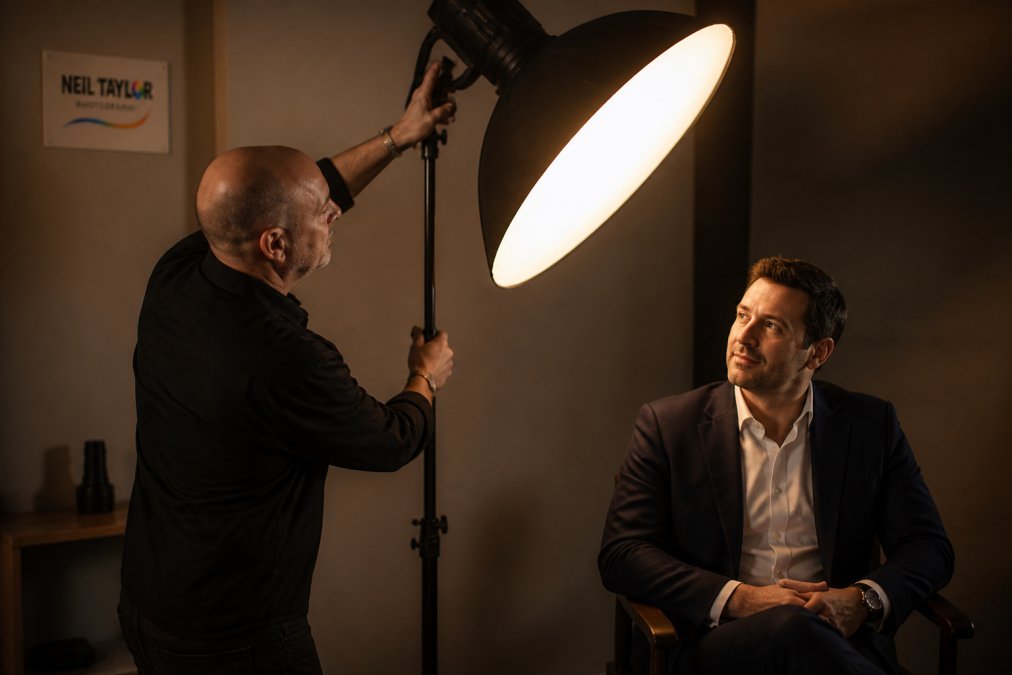
Skin preparation takes a day or two. Moisturise regularly leading up to your session so your skin looks healthy and even-toned. Avoid new skincare products right before the shoot, you don’t want irritation or unexpected reactions showing in your images. If you have active acne or blemishes, mention this to your photographer; they’re experienced at subtle retouching that looks natural.
Hair and makeup should feel like you, but polished. For women, makeup slightly more defined than everyday works well on camera, the camera naturally flattens features, so what feels like “too much” in the mirror often looks balanced in photos. For men, a fresh haircut a few days before (not the day of) gives you neat hair without looking freshly shorn. If you’re unsure, ask your photographer for guidance; most have strong opinions about what photographs well.
Arrive rested. Tired eyes and a fatigued expression show immediately. Get proper sleep the night before. Avoid heavy alcohol the evening prior, as it can cause puffiness. Stay hydrated the day of the session.
Bring water and a snack. A dry mouth shows tension in your face. Sipping water between shots keeps you comfortable and your expressions fresher. A light snack prevents the fatigue that comes from low blood sugar during a longer session.
Communicate with your photographer about your concerns. If you worry you always look stiff, say so. If you have a “good side,” mention it. If you’re nervous about certain expressions, your photographer can guide you through them. They’ve worked with hundreds of people; they know how to help you feel comfortable and look natural.
During the session, focus on your energy, not your pose. The best headshots come from genuine expressions and presence, not rigid positioning. Think about something that makes you feel confident or engaged, not necessarily smiling, but feeling alive. Your photographer will guide you through different expressions and angles. Trust the process and take direction.
The difference between a forgettable headshot and one that gets you called in for auditions or remembered by a hiring manager often comes down to preparation and presence, not the photographer’s technical skill alone.
Making Your Choice: John Driscoll vs Matt Rock
Choose John Driscoll if you’re an actor or professional seeking casting-ready headshots with studio precision. His specialisation in headshots and portraits means he understands exactly what casting directors and recruiters expect. If you want clear, polished, professional images in a controlled environment, and you value a photographer who focuses specifically on this work, Driscoll is the stronger match.
Choose Matt Rock if you want a photographer with broader experience and a documentary-style approach. If you prefer a more relaxed, candid aesthetic and you value the flexibility of someone who handles multiple photography genres well, his multi-award experience and unobtrusive style appeal. His approach works particularly well if you want images that feel more editorial and less “standard headshot.”
Consider your priorities: Do you need casting-ready precision or personal branding authenticity? Do you prefer studio control or on-location context? Are you an actor, a business professional, or an entrepreneur? Your answer shapes which photographer aligns with your actual needs.
Both photographers serve the London and Kent area and bring genuine skill to their work. The choice ultimately depends on whether you value specialisation and studio polish (Driscoll) or broader experience and documentary-style authenticity (Rock).
If you’re still uncertain about which approach suits you, or if you’d like to explore both studio and on-location options tailored specifically to your industry and goals, Neil Taylor Photography offers both styles with transparent pricing and a focus on understanding exactly what you need from your headshots. You can discuss your specific situation, whether you’re an actor preparing for auditions, a professional refreshing your LinkedIn presence, or a business owner building your personal brand, and choose the approach that genuinely serves your goals.
Frequently Asked Questions
How long should a professional headshot session last?
Most professional headshot sessions run between 60 and 90 minutes. This timeframe allows your photographer to capture multiple expressions, angles, and outfit changes whilst giving you time to relax in front of the camera. Shorter sessions (30-45 minutes) work if you need just one or two looks, but longer sessions provide more variety and increase the chances of capturing your best shots. Quality photographers often build in buffer time to adjust lighting, discuss your vision, and help you feel comfortable.
What is the difference between a studio and on-location headshot session?
Studio sessions offer controlled lighting, consistent backgrounds, and a professional environment designed for headshots. On-location photography uses your natural surroundings, office, outdoor setting, or branded space, to create authentic, contextual images that reflect your work environment. Studios suit actors needing casting-ready shots; on-location works better for entrepreneurs and corporate professionals wanting headshots that show personality and context. Both approaches deliver professional results; your choice depends on your brand story and how you want to present yourself.
How do I choose the right photographer for professional headshots?
Review portfolios specifically for headshot work, not just general photography. Look for consistency in image quality, lighting, and ability to capture natural expressions across different face shapes and skin tones. Check client testimonials, turnaround times for edited images, and whether the photographer offers guidance on clothing and styling. Consider whether they specialise in your industry (actors, entrepreneurs, corporate teams) and whether their style matches your vision. Meet or call beforehand to assess whether you feel comfortable and understood.
What should I look for in a professional headshot portfolio?
Look for sharp focus on the eyes, flattering lighting that enhances features without appearing overdone, and natural expressions rather than forced smiles. The portfolio should show variety, different ethnicities, ages, and professional backgrounds, proving the photographer works well with diverse clients. Check that backgrounds complement rather than distract from the subject, and that edited images look polished but authentic. Strong portfolios include before-and-after samples or series showing multiple looks from single sessions, demonstrating the photographer’s range and consistency.
Why is session duration important for high-quality headshots?
Longer sessions allow time for you to relax and become comfortable in front of the camera, which translates directly into more natural, authentic expressions. Your photographer can experiment with different angles, lighting setups, and poses without rushing. Extended sessions accommodate multiple outfit changes, hairstyle adjustments, and technical tweaks. This unhurried approach produces more usable shots and reduces the likelihood of needing expensive reshoot sessions. Photographers who allocate sufficient time prioritise quality over volume, resulting in images that genuinely represent you.
Check Availability – https://neiltaylorphotography.com/index.php/contact
Email: hello@neiltaylorphotography.com
This article was written using GrandRanker