A headshot may show only your face and shoulders, but your clothing still does a great deal of work. It frames your expression, communicates something about your role and personality, and can either help you feel composed or leave you distracted throughout the session. If you are wondering what to wear for headshots, the best starting point is not a strict dress code. It is choosing clothing that looks like you on a very good, well-rested day.
The right outfit should support the purpose of the photograph. An actor’s headshot needs to keep attention on the face and suggest casting range. A LinkedIn portrait should feel credible and approachable. An executive or personal-branding image may need a little more polish, depending on your industry and where the photograph will appear. The aim is always the same: a natural, confident image that people can trust.
What to wear for headshots: start with the message
Before choosing an outfit, think about who will see the finished image. A solicitor, consultant or senior leader may want a smart jacket, knitwear or an open-collar shirt that feels professional without looking overly formal. A creative business owner might be better represented by a distinctive layer, interesting texture or a more relaxed neckline. Actors should usually select clothing that feels truthful to their type rather than dressing for a specific character.
There is no need to buy a completely new wardrobe for your session. In fact, familiar clothes often photograph better because you already know they fit well and make you feel comfortable. The camera notices discomfort more readily than it notices labels. If you are tugging at a collar, worried about a tight waistband or unsure whether a colour suits you, it can affect your posture and expression.
For corporate teams, consistency matters as much as individual style. That does not mean everyone should wear identical shirts. It means agreeing a general level of formality and a complementary colour palette, so the images look coherent together on a website, proposal or leadership page.
Choose colours that keep attention on your face
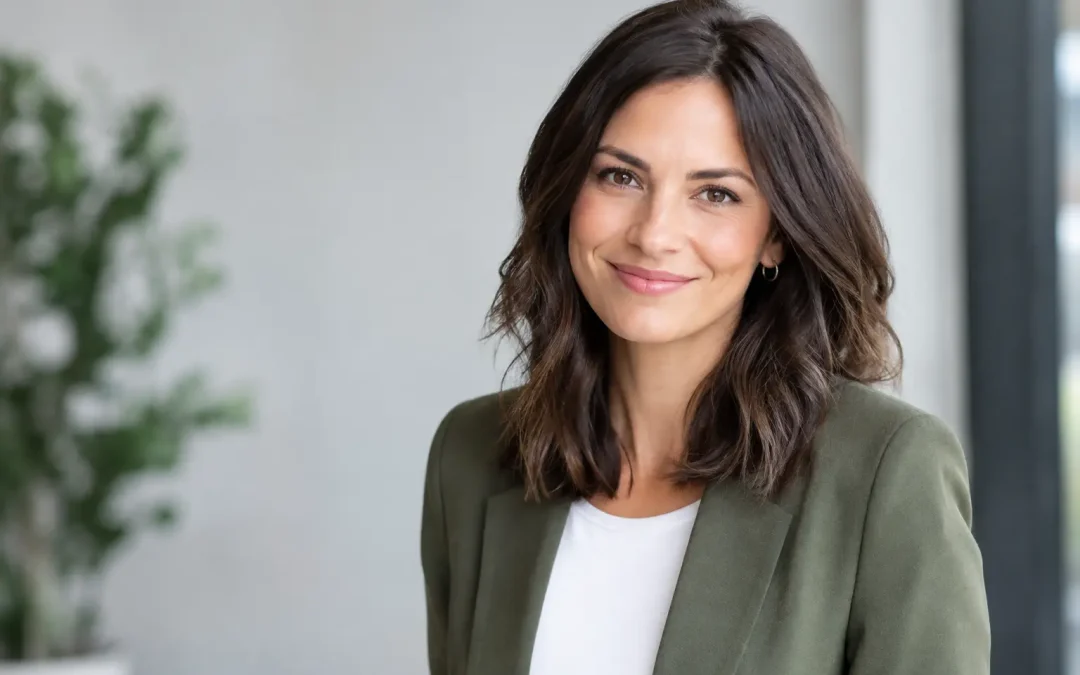
Solid, mid-to-deep colours are often the most reliable choice for professional headshots. Navy, charcoal, forest green, burgundy, teal, soft blue and rich neutral tones tend to create a clean frame around the face without competing for attention. The most flattering shade varies with your complexion, hair colour and the background, so it is sensible to bring a couple of options if you are unsure.
Very bright white can sometimes reflect light upwards under the chin, while pure black can lose detail in certain lighting setups. Neither is automatically wrong, particularly when it is part of your recognisable professional style, but both benefit from careful consideration. Off-white, stone, deep navy or a textured dark grey can offer a softer alternative.
Avoid colours that are close to your skin tone, especially beige, pale peach or very light grey, as they can make the image feel washed out. Fluorescent shades are also rarely kind to the camera. If you have a favourite colour, bring it along. A photographer can quickly assess whether it works with the lighting and background.
Keep patterns simple and fabrics considered
Small checks, narrow stripes, busy florals and prominent logos can pull focus away from your expression. Fine patterns may also create an unwanted visual effect on screen, particularly when headshots are viewed at a small size on LinkedIn or a company website.
This does not mean every outfit must be plain. Texture can add depth beautifully. A matte wool jacket, a fine knit, a brushed cotton shirt or a softly structured blouse can make an image feel considered without becoming distracting. The key is that the texture should read as texture, not as visual noise.
Large, subtle patterns can sometimes work, particularly for personal-branding portraits with a wider crop. For a classic close headshot, however, simpler is normally stronger. If a garment is the first thing you notice in the mirror, it will probably be the first thing others notice in the photograph too.
Prioritise fit, neckline and layers
Well-fitting clothes are more valuable than expensive clothes. A jacket that sits neatly at the shoulders, a shirt that does not gape, and a top that allows you to move freely will help you look at ease. You may be photographed standing, sitting or turning slightly, so choose something that remains comfortable in more than one position.
Necklines are particularly visible in a headshot. Crew necks, open collars, V-necks, simple collared shirts and modest scoop necks can all work well. The best choice depends on your face shape, hairstyle and intended audience. A collar or jacket lapel can give a strong, professional outline, while a softer knit or open neckline can feel more relaxed and approachable.
Layers are useful because they give you options without requiring a complete outfit change. A blazer over a shirt, an overshirt over a plain top, or a cardigan over a simple blouse can create distinct looks quickly. Bring clothes on hangers where possible, and avoid arriving in anything likely to crease heavily during the journey.
Tailor the outfit to your kind of headshot
For LinkedIn, executive and business headshots
Dress at the level your clients, colleagues or hiring managers expect, then soften it slightly so the result still feels human. A suit can be right for finance, law or senior leadership, but it does not need to mean a tie unless one is genuinely part of your working life. For many professionals, a smart jacket with an open-neck shirt or a well-cut dress with a simple layer strikes the right balance.
Think beyond the profile photograph. Your headshot may appear on a company website, in a tender document, on a speaker biography or beside a press quote. Choose something timeless enough to remain useful for several years, rather than a trend that may date quickly.
For actors
Actor headshots need clarity. Casting professionals want to see you, not a costume, a dramatic print or a heavily styled version of you. Choose tops that suit your casting range and bring out your eyes, while keeping the clothing clean and believable.
A few options are helpful: perhaps a darker top for drama, a softer colour for commercial work, and a layer that changes the feel without becoming character wardrobe. Avoid outfits that lock you into one narrow type unless that is a deliberate decision. The strongest actor headshots leave room for imagination while still feeling completely truthful.
For entrepreneurs and personal brands
You have more freedom to show personality, especially if your images will be used across a website, social media, talks and marketing materials. A signature colour, well-chosen accessory or distinctive jacket can help build recognition. Just make sure the styling serves the brand you are building rather than becoming a distraction from your message.
If your work is warm, collaborative and client-facing, aim for clothes that feel open and accessible. If you are positioning yourself as a premium adviser or specialist, a sharper silhouette and more restrained palette may suit the story better. Both approaches can be effective when they are authentic.
Details that are easy to overlook
Glasses are usually worth wearing if people know you in glasses. Clean the lenses thoroughly, and bring them even if you are undecided. Lighting can be adjusted to manage reflections, and it is better for your headshot to look like the person clients will meet.
Keep jewellery simple unless it is part of your usual look. Large earrings, highly reflective necklaces or watches that catch the light can become more noticeable than expected. Check that shirt collars are clean, jackets are free of lint, and pockets are not bulging with phones or keys.
Hair and make-up should feel like a polished version of your everyday appearance. Heavy make-up can look unlike you, but a little preparation can help skin look even and reduce shine. If you are having a haircut or colour appointment, allow a few days before the session so it has time to settle naturally.
Bring options, then let the camera decide
Bring two or three strong choices rather than a suitcase full of possibilities. Ideally, vary the colour, neckline or level of formality so you can create a different feel without losing consistency. Photograph your options on your phone beforehand if it helps you compare them, but do not worry if you cannot choose alone.
At Neil Taylor Photography, clients are guided through clothing choices, posture, posing and expression during the session. You do not need to arrive knowing your best angle or how to perform for the camera. The purpose of good direction is not to make you look posed. It is to help you settle, so the photograph feels confident and recognisably you.
Choose the outfit that lets your face do the talking. When you feel comfortable, appropriately dressed and supported through the process, that calm confidence is what people will see first.