Last Updated: October 22, 2026
Quick Summary
What to wear for a headshot depends on your industry, but solid colours, well-fitted clothing, and natural fabrics work best across all headshot types. Choose neutral or jewel tones like navy, charcoal grey, or forest green, avoid busy patterns and logos, and dress slightly more formally than your industry standard.
- Fit matters more than price; an affordable blazer that fits perfectly beats an expensive one that doesn’t
- Solid colours work best for headshots; patterns, logos, and text distract from your face
- Natural fibres like cotton and wool photograph well and avoid unwanted shine under studio lighting
- Avoid bright reds, neon colours, pastels, and anything too trendy that will look dated in two years
- Wear something you’ve worn before and feel confident in; new outfits and uncomfortable clothing show on your face
Table of Contents
- What to Wear for a Headshot: Core Principles
- What Colours to Wear for Headshots
- What Not to Wear for a Headshot
- What to Wear for Actor Headshots
- What to Wear for a Business Headshot
- Preparing Your Outfit: Fit, Grooming, and Logistics
- Common Mistakes to Avoid on Headshot Day
- Frequently Asked Questions
What to Wear for a Headshot: Core Principles
A professional headshot begins with what you wear. Your outfit sets the tone for how others perceive you before they even hear your voice. The goal is simple: look like the best version of yourself, authentic and polished.
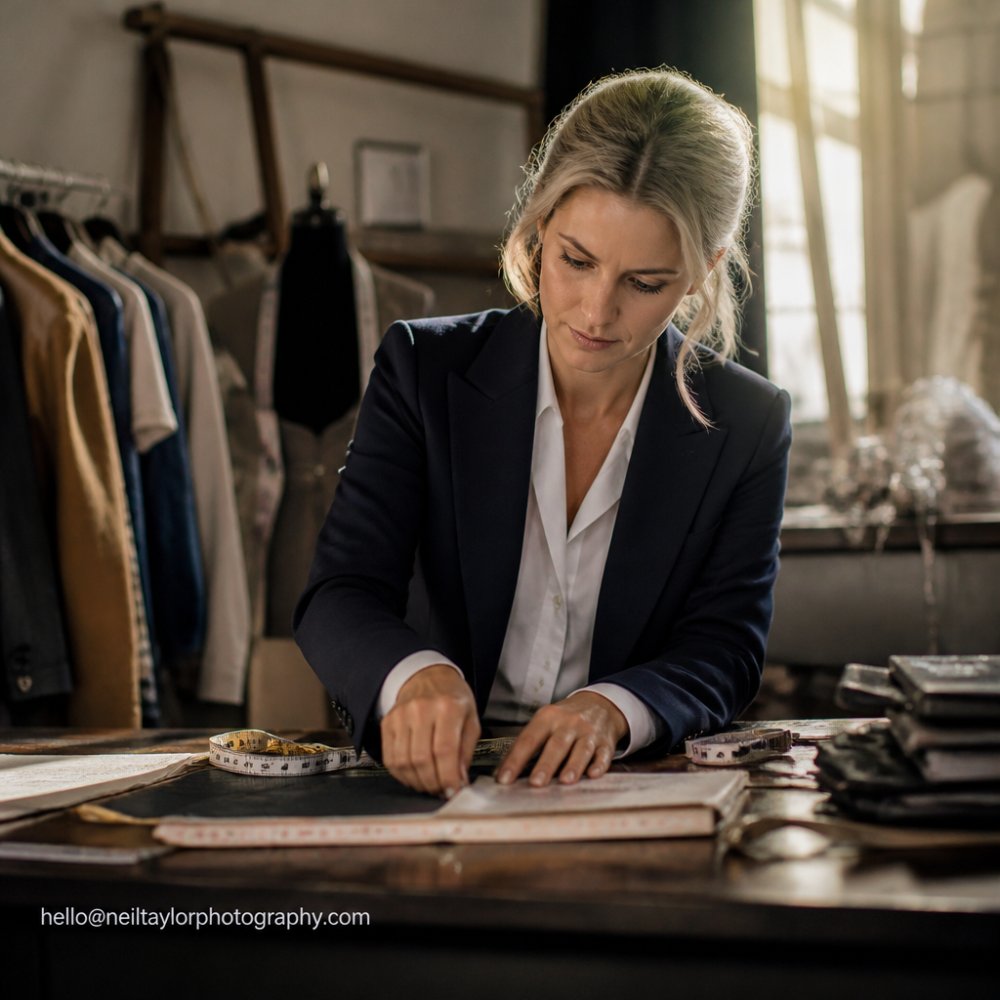
At Neil Taylor Photography, we’ve found that the right outfit choice transforms how comfortable you feel on camera. When you’re confident in what you’re wearing, that confidence shows in your expression. Your shoulders relax. Your smile becomes genuine. The camera captures the real you.
Start with these core principles:
- Fit matters more than price. An affordable blazer that fits perfectly beats an expensive one that doesn’t.
- Solid colours work best. Patterns distract from your face.
- Avoid logos and text. They pull attention away from you.
- Dress slightly more formal than your industry standard. A business professional should wear what an executive wears.
The fabric you choose affects how you look on camera. Natural fibres like cotton and wool photograph well. They don’t create unwanted shine or texture issues. Synthetic materials can sometimes look plastic under studio lighting.
Think of your headshot outfit as a frame for your face. Everything else is secondary. Your clothing supports your presence, it doesn’t compete with it.
What Colours to Wear for Headshots
Neutral and jewel tones are your safest choices for what to wear for a headshot. These colours keep focus on your face and work across different industries and backgrounds.
Best colours include:
- Navy blue (universally flattering, professional)
- Charcoal grey (sophisticated, timeless)
- Forest green (adds depth without being bold)
- Burgundy (warm, professional, slightly distinctive)
- White or cream (clean, modern, best as a shirt under a blazer)
- Black (bold, but can feel harsh; use if it matches your personal brand)
Avoid bright reds, neon colours, and pastels. They overwhelm the frame and date quickly. Pastels especially can wash out your skin tone under studio lighting.
The colour you choose should complement your skin tone. Warm skin tones often look better in earth tones and jewel tones. Cool skin tones suit blues, greys, and silvers. If you’re unsure, stick with navy or charcoal, they work for nearly everyone.
Contrast between your clothing and the background matters too. A dark outfit against a dark background blends together. A light outfit against a light background does the same. Neutral studio backgrounds work with most colours, but discuss your outfit choice with your photographer beforehand. They can adjust the background to complement what you’re wearing.
What Not to Wear for a Headshot
Certain choices will undermine your headshot, no matter how well-fitted or expensive they are. Avoid these common mistakes.
Don’t wear:
- Busy patterns or stripes. They create visual noise and distract from your face.
- Logos, text, or branding. They shift focus away from you.
- Shiny or reflective fabrics. They create glare under studio lights.
- Anything too trendy. Headshots need to age well. Avoid fashion-forward pieces that will look dated in two years.
- Clashing colours. Neon paired with pastels or too many colours at once feel chaotic.
- Oversized or ill-fitting clothing. It hides your shape and makes you look uncomfortable.
- Dangly or distracting jewellery. Large earrings, multiple necklaces, or jangling bracelets pull attention away from your face.
- Wrinkled or stained clothing. Iron everything before your session. Lint and stains show up on camera.
Tank tops and sleeveless tops often don’t work well for headshots. They can make shoulders look narrow or create unflattering shadows. A simple rule: if you wouldn’t wear it to a professional meeting, reconsider it for your headshot.
Book your headshot session today →
Avoid white-on-white combinations (white shirt with white blazer). They blend together and create a washed-out look. Layering with contrast, a white shirt under a navy blazer, creates definition and visual interest.
What to Wear for Actor Headshots
Actor headshots need to show your range and authenticity. What you wear should reflect the roles you’re booking, but stay true to how you actually look.
For most actors, a simple approach works best. A solid-coloured shirt or top without a jacket shows more of your personality. Many casting directors prefer to see your natural style rather than formal business wear.
Consider these options:
- A fitted t-shirt in a solid colour (navy, grey, black, or white)
- A simple button-up shirt, sleeves rolled or unrolled
- A casual blazer over a plain top
- A crew-neck jumper in a neutral colour
The key is looking like yourself on an ordinary day. Casting directors want to see the real you, not an overly polished version. That said, your headshot should be slightly more polished than your everyday look. Think “ready for an audition” rather than “just woke up.”
Avoid costume pieces or overly styled looks unless you’re a character actor specialising in specific types. Even then, keep it subtle. Your face is the headshot. Your clothing is the context.
Hair and makeup matter as much as clothing for actor headshots. Your hair should be styled how you typically wear it. Makeup should look natural and enhance your features without being dramatic. The goal is to look like the best, most camera-ready version of yourself.
What to Wear for a Business Headshot
Business headshots demand polish and professionalism. What you wear signals competence and trustworthiness.
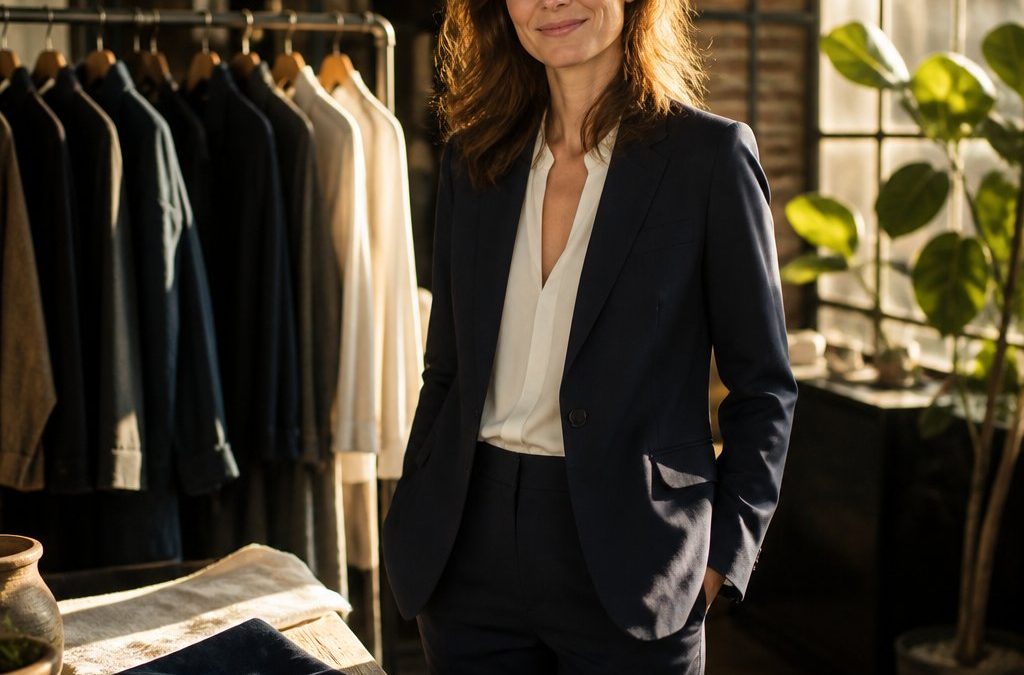
The standard choice is a blazer with a contrasting shirt or top underneath. This works across industries and reads as professional without being stuffy.
Strong business headshot choices:
- Navy or charcoal blazer with a white, light blue, or cream shirt
- A well-fitted blazer in any neutral colour with a simple top
- A structured dress with a blazer (for those who prefer not to wear traditional suiting)
- A quality knit jumper in a neutral colour (less formal, still professional)
For corporate roles, stick with traditional suiting. For creative industries, you can be slightly more relaxed, a quality jumper or a blazer without a shirt underneath can work.
Avoid novelty ties, bold patterns, or anything that draws attention away from your face. If you wear a tie, choose a subtle colour that complements your outfit. The same goes for scarves, keep them simple and well-coordinated.
Jewellery should be minimal and professional. A watch, simple earrings, or a subtle necklace work. Avoid anything that jangles or catches light.
Your headshot will likely appear on LinkedIn, your company website, or marketing materials. Consider how it will look at thumbnail size on a screen. Details that look fine in person can disappear or become distracting when shrunk down. Solid colours and simple styles photograph better at small sizes.
Preparing Your Outfit: Fit, Grooming, and Logistics
Getting the fit right makes all the difference. Clothing that fits properly looks intentional and polished. Baggy or tight clothing looks uncomfortable and distracting.
Check the fit before your session:
Book your headshot session today →
- Blazers should sit at your natural shoulder line without bunching or pulling
- Shirts should be snug but not tight through the chest and shoulders
- Sleeves should end at your wrist bone
- Trousers or skirts should sit at your natural waist, not too high or low
If something doesn’t fit well, have it tailored or choose a different piece. The cost of a quick alteration is worth the improvement in your headshot.
Grooming is equally important. Get a fresh haircut a few days before your session, not the day before, as newly cut hair can look too styled. Your hair should look like your best everyday self.
For makeup, less is more. You want to enhance your features, not transform your appearance. If you don’t normally wear makeup, don’t start for your headshot. If you do, apply it as you normally would, perhaps slightly more polished.
Day-of logistics:
- Bring 2-3 outfit options if you’re unsure. Your photographer can help you choose.
- Iron everything the morning of your session.
- Avoid eating messy foods before your shoot, you want your face fresh.
- Wear comfortable shoes (they won’t be visible, but comfort affects your posture and confidence).
- Arrive early so you have time to settle in and feel relaxed.
Consider the weather. If you’re shooting outdoors or travelling to a studio, dress appropriately for comfort. You don’t want to be shivering or overheating during your session.
Common Mistakes to Avoid on Headshot Day
Most headshot mistakes come from overthinking. You don’t need to be perfect, you need to be authentic and well-prepared.
The biggest mistakes we see:
- Wearing something new. Save the new outfit for after your session. Wear something you’ve worn before and feel confident in.
- Choosing an outfit you think you “should” wear rather than one you feel good in. If you feel uncomfortable, it shows on your face.
- Overdressing or underdressing for your industry. Match the formality level of your field.
- Trying a completely different hairstyle or makeup look. Stick with what you know works for you.
- Wearing something too casual. A headshot is a professional document. Treat it that way with your clothing choice.
- Ignoring fit. Ill-fitting clothing is the most common reason headshots look awkward.
The day before your session, lay out your outfit and check it under good lighting. Does it look professional? Does it feel like you? Does it photograph well? If the answer to any of these is no, choose something different.
Confidence matters more than perfection. When you feel good in what you’re wearing, your expression relaxes. Your posture improves. The camera captures the real, confident version of you. That’s what makes a great headshot.
A great headshot starts before you step in front of the camera. What you wear sets the foundation for how you present yourself to the world. At Neil Taylor Photography, we help actors, entrepreneurs, and business professionals create headshots that genuinely represent them.
Ready to create a headshot that truly captures you? Check Availability to book your session with Neil Taylor Photography, or get in touch at hello@neiltaylorphotography.com to discuss your headshot needs.
Frequently Asked Questions
What is the best colour to wear for a headshot?
Solid, mid-to-dark neutral tones work best for most headshots. Navy, charcoal, forest green, and burgundy are excellent choices that photograph well and convey professionalism. These colours create contrast against your skin and help you stand out without distracting from your face. Avoid pure white or very pale shades, as they can cause glare and wash out your features. The key is choosing a colour that complements your skin tone and aligns with your industry or personal brand.
What should you avoid wearing in a professional headshot?
Avoid busy patterns, logos, large jewellery, and overly trendy clothing. Horizontal stripes, small checks, and busy prints can create visual noise on camera. Steer clear of anything that draws attention away from your face, oversized accessories, dangling earrings, or statement pieces distract from your features. Skip casual wear like t-shirts, hoodies, and ripped jeans. Avoid wearing anything that feels uncomfortable or inauthentic to you, as tension shows in your expression. Keep it simple, polished, and true to your professional identity.
How many outfits should you bring to a headshot session?
Bring two to three outfit options to give yourself variety and choice. One business-formal option, one business-casual option, and one that reflects your personal brand or industry creates good range. Having multiple looks means you can choose the one that photographs best and feels most natural on the day. Discuss outfit options with your photographer beforehand, they can advise on what works best for your goals and industry. Most sessions include multiple shots, so different outfits give you versatility for different uses.
Should you wear glasses for a headshot?
Yes, you can wear glasses if you normally wear them, authenticity matters. However, consider bringing a version without glasses as well, since reflections can sometimes interfere with eye contact on camera. If you wear glasses, ask your photographer about positioning to minimise glare. Anti-reflective lenses work better than standard ones for photography. Ultimately, your headshot should look like you, so if glasses are part of your everyday appearance, include them in at least one outfit option.