
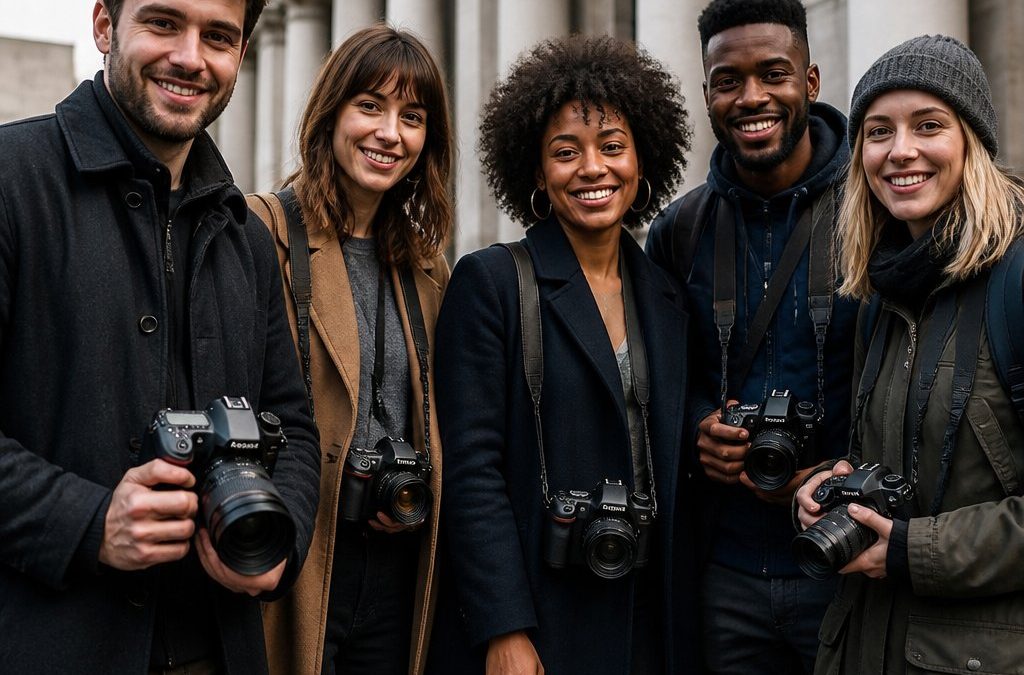
Table of Contents
- What Makes Candid Photography Different
- Essential Camera Settings for Candid Photography
- Composition Principles for Candid Photography
- How to Take Candid Photos Without Being Intrusive
- Capturing Natural Candid Portrait Photography
- Common Mistakes to Avoid
- Frequently Asked Questions
Last Updated: 21 October 2026
What Makes Candid Photography Different
Candid photography captures real moments as they happen, without posing or staging. Unlike traditional portrait photography where subjects know they’re being photographed, candid photography techniques focus on authentic emotions and natural interactions. This style creates images that feel genuine and alive.
The key difference lies in spontaneity. Your subjects aren’t aware of the camera, so they behave naturally. Their expressions are real. Their body language is relaxed. This authenticity is what makes candid photography so powerful for personal branding and professional headshots.
At Neil Taylor Photography, we understand that the best images happen when people feel comfortable and unguarded. Whether you’re an actor preparing for auditions or a business professional building your brand, candid photography techniques help you look your best without appearing stiff or uncomfortable.
Candid photography techniques work brilliantly for several reasons:
- Captures genuine smiles and natural expressions
- Shows personality and confidence in a relaxed way
- Creates images that feel approachable and trustworthy
- Works well for LinkedIn profiles and casting materials
- Avoids the “stiff photo” feeling many people dislike
The challenge is learning how to capture these moments consistently. It requires the right camera settings, composition knowledge, and an understanding of how to work with your subject to keep them relaxed.
Essential Camera Settings for Candid Photography
Getting your camera settings right is crucial for candid photography techniques. You need to work quickly because moments pass fast. Your settings must allow you to capture sharp, well-exposed images without thinking about the technical side.
Aperture and Depth of Field
Aperture controls how much light enters your camera and affects depth of field. For candid photography techniques, a wider aperture (lower f-number) works best.
An aperture between f/1.8 and f/2.8 gives you several advantages:
- Creates a soft, blurred background (bokeh) that makes your subject stand out
- Lets in more light, so you can shoot in various conditions
- Helps you work faster because you have more flexibility with shutter speed
- Makes your subject the clear focus of the image
If you’re shooting in bright sunlight, a smaller aperture like f/5.6 or f/8 works fine. The key is ensuring your subject stays sharp while the background falls away.
Shutter Speed and Freezing Motion
Shutter speed determines how quickly your camera captures the image. For candid photography techniques, fast shutter speeds prevent motion blur.
Use these guidelines:
- Indoor or low light: 1/125th second or faster
- Bright daylight: 1/250th second or faster
- Fast movement or action: 1/500th second or faster
- Very bright conditions: 1/1000th second or faster
A faster shutter speed freezes motion. If your subject moves suddenly or turns their head, a fast shutter speed captures that moment sharply. This is essential when you’re working quickly and can’t predict exactly when the perfect expression will appear.
ISO and Lighting Conditions
ISO controls your camera’s sensitivity to light. Higher ISO allows you to shoot in darker conditions, but introduces grain or noise into your images.
For candid photography techniques:
- Bright daylight: ISO 100-400
- Overcast or indoor natural light: ISO 400-1600
- Low light situations: ISO 1600-3200 or higher
- Adjust ISO to maintain your shutter speed and aperture choices
The goal is balancing all three settings so you can work quickly without compromising image quality. Start with your desired aperture and shutter speed, then adjust ISO to get proper exposure.
Set your camera to aperture priority mode (A or Av). You control the aperture, and the camera adjusts shutter speed automatically. This gives you creative control while letting you work faster.
Composition Principles for Candid Photography
Strong composition transforms a snapshot into a compelling image. These principles help you frame candid moments in ways that draw the viewer’s eye and tell a story.
Rule of Thirds and Framing
The rule of thirds is a simple but powerful composition tool. Imagine dividing your frame into nine equal sections with two horizontal and two vertical lines. Place your subject or key elements along these lines or at their intersections.
Book your headshot session today →
Why this works:
- Creates more dynamic, interesting compositions than centring your subject
- Draws the viewer’s eye naturally through the image
- Leaves space around your subject for context
- Makes images feel intentional and well-composed
For candid photography techniques, the rule of thirds helps you frame moments quickly. Instead of centring your subject dead in the middle, position them slightly off-centre. This creates a more natural, engaging image.
You can enable a grid overlay on most cameras and smartphones to help you visualise these lines while shooting.
Leading Lines and Depth
Leading lines are natural or man-made lines in your image that draw the viewer’s eye towards your subject. They add depth and guide attention.
Common leading lines include:
- Paths or walkways
- Railings or fences
- Shadows
- Horizons
- Architectural elements like doorways or windows
For candid photography techniques, look for leading lines in your environment. Position your subject so these lines point toward them. This creates a sense of direction and makes your image more engaging.
Depth also matters. Include foreground, middle ground, and background elements. This layering makes your image feel three-dimensional and more interesting than a flat, single-plane composition.
The best candid photography compositions feel natural, not forced. Your composition should support the moment, not distract from it.
How to Take Candid Photos Without Being Intrusive
The challenge with candid photography techniques is capturing natural moments without making your subject feel watched or uncomfortable. The goal is to blend in and let moments unfold naturally.
Position yourself thoughtfully. Stand at an angle rather than directly facing your subject. This feels less confrontational and allows you to capture genuine expressions. A 45-degree angle often works well.
Use a longer lens when possible. A 50mm, 70mm, or 85mm lens lets you stand back from your subject, giving them space while still capturing close-up details. They’re less aware of the camera when you’re further away.
Work in bursts. Take multiple shots in quick succession. This increases your chances of capturing the perfect moment, a genuine smile, a natural gesture, a fleeting expression. Most photographers take 10-20 shots to get one truly excellent image.
Give your subject simple directions rather than posing them. Instead of saying “smile at the camera,” try “look out the window and think about something that makes you happy.” This keeps them engaged without making them feel self-conscious.
Avoid constantly saying “just be natural.” This often makes people more self-conscious, not less. Give them a task or direction that keeps their mind off the camera.
Shoot over time. The longer you spend with your subject, the more they relax. The first few minutes often feel stiff. By 10-15 minutes in, genuine moments start happening. This is when your best images emerge.
Capturing Natural Candid Portrait Photography
Candid portrait photography combines the technical skills of portraiture with the spontaneity of candid moments. This style is ideal for professional headshots and personal branding.
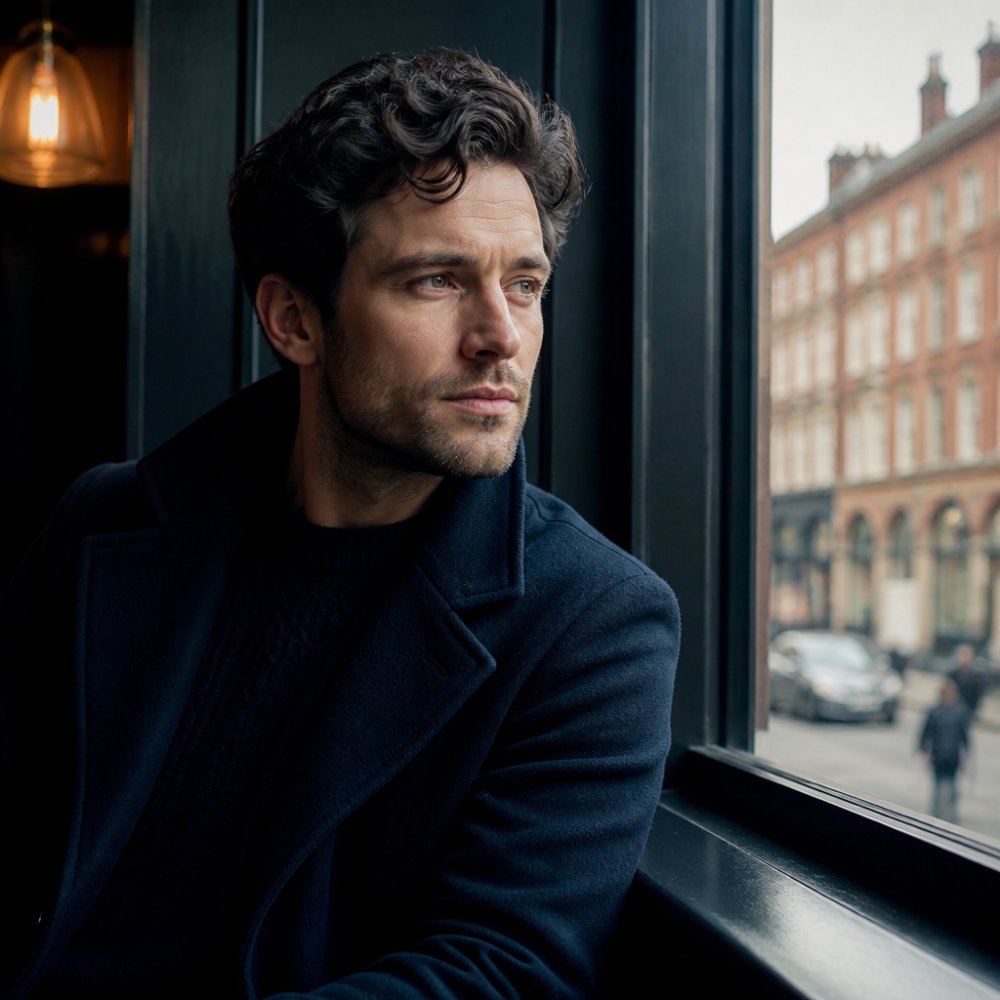
The key is creating an environment where your subject feels comfortable. Start with conversation. Ask them about their work, their goals, what they’re excited about. Genuine interest puts people at ease.
For candid portrait photography, lighting matters enormously. Natural light from a window creates soft, flattering light that minimises harsh shadows. Position your subject so light falls across their face at a 45-degree angle. This creates dimension without looking overly dramatic.
Pay attention to posture and positioning. Have your subject stand or sit naturally, not rigidly. A slight turn of the shoulders away from the camera often looks more relaxed than facing it directly. Tilt the head slightly. These small adjustments make a huge difference in how natural and approachable the image feels.
Use your environment. A textured wall, natural foliage, or architectural elements create visual interest without distracting. Ensure your background complements your subject rather than competing for attention.
Book your headshot session today →
Capture multiple expressions. Start with neutral or thoughtful expressions, then move toward smiling. Many people’s best expressions come partway through a smile, not at the peak. Take shots as emotions move across their face.
Common Mistakes to Avoid
Understanding what doesn’t work helps you make better choices. These are the most common mistakes people make with candid photography techniques.
Relying too much on autofocus. In fast-moving situations, autofocus can hunt for focus and miss the moment. Consider using manual focus or back-button focus (assigning focus to a button on the back of your camera rather than the shutter button). This gives you more control.
Shooting only from one angle. Move around your subject. Shoot from slightly above, slightly below, from the side, from behind. Different angles reveal different moments and expressions. The best shot might come from an unexpected angle.
Ignoring the background. A distracting background pulls attention away from your subject. Check what’s behind them before you shoot. Move your subject or reposition yourself to clean up the background.
Using settings that are too slow. If your shutter speed is too slow, motion blur ruins sharp images. When in doubt, use a faster shutter speed. You can always adjust down if needed.
Not giving direction. Some people freeze when a camera appears. Give them something to do or think about. This keeps their mind engaged and results in more natural expressions.
Shooting too little. Many beginners take only a few shots and hope one works. Take dozens. The odds of capturing a truly excellent moment increase dramatically with volume.
The biggest mistake is stopping too soon. Shoot through the awkward first moments. The genuine, relaxed expressions come later.
Not reviewing your images. Check your shots regularly. Are they sharp? Is the exposure correct? Are you capturing genuine moments? Reviewing helps you adjust your approach in real time.
Candid photography techniques take practice, but the fundamentals are straightforward: use the right camera settings, compose thoughtfully, and create an environment where your subject feels comfortable. Whether you’re building a professional brand or preparing casting materials, authentic images make a powerful impression.
If you’d like professional guidance capturing candid moments that showcase your best self, we’d love to help. At Neil Taylor Photography, we specialise in creating authentic headshots and portraits that feel natural and approachable. We understand the importance of looking confident without appearing stiff, and we work with you to capture images that truly represent who you are.
For more information, contact us at hello@neiltaylorphotography.com
Frequently Asked Questions
What camera settings are best for candid photography?
Start with a wide aperture (f/2.8-f/5.6) to isolate your subject, a shutter speed of at least 1/250th of a second to freeze motion, and an ISO that suits your lighting (400-1600 indoors, 100-400 outdoors). These settings balance clarity, motion capture, and light sensitivity for authentic moments.
How do you compose a candid photograph effectively?
Use the rule of thirds to position your subject off-centre for visual interest. Look for leading lines in your environment that draw the viewer’s eye. Include context around your subject to tell a fuller story. Avoid centring your subject directly unless it serves a specific purpose.
How can I make candid portraits look natural?
Give your subject something to do rather than posing directly at the camera. Capture moments between poses when they’re relaxed. Use natural light whenever possible and position yourself where you can shoot without being too intrusive. Let genuine expressions emerge rather than forcing smiles.
Do you need permission to take someone’s photograph in public?
In public spaces, you generally have the right to photograph, but it’s respectful to ask permission before publishing images of identifiable people, especially for professional use. Always respect others’ privacy and comfort. For commercial purposes or sensitive situations, explicit consent is essential and protects both you and your subject.