A potential client has usually formed an impression before they read your biography, watch your introduction video or book a call. Your profile image, website portraits and social media photography all signal something about how you work. A personal branding photographer London professionals choose should help you control that first impression without making you look overly polished, staged or unlike yourself.
For many people, that is the difficult part. You may know your business well but feel uncomfortable when a camera is pointed at you. You may worry about what to wear, where to put your hands or whether your expression will look forced. Good personal branding photography is not about expecting you to arrive camera-ready. It is about giving you clear, calm direction so your images feel confident, credible and recognisably you.
What personal branding photography is designed to do
A headshot has a focused job: it shows your face clearly and professionally. Personal branding photography goes further. It creates a set of images that can support the way you present yourself across your website, LinkedIn profile, press features, proposals, speaking engagements and social media.
That may include a strong portrait for your homepage, more relaxed images for posts, photographs of you working with clients, and details that reflect your service or environment. For an entrepreneur, this could mean images in a meeting space or at a desk. For a consultant or executive, it may mean a polished set of portraits that feels approachable rather than distant. The right approach depends on where the photographs will be used and who needs to trust you.
The aim is not to create a false version of success. It is to make your existing professionalism visible. When the photography is consistent, people can move from your LinkedIn profile to your website or company brochure and feel that they are meeting the same person throughout.
Why your choice of photographer matters
Personal brand photographs carry more responsibility than a quick profile picture. They need to look good, certainly, but they also need to work commercially. Lighting, composition, location and expression all influence whether an image feels authoritative, warm, creative or dependable.
A photographer should understand that an executive headshot and an entrepreneur’s website image may have different requirements. A solicitor may need calm assurance and clarity. A leadership coach may want openness and energy. A creative founder may need personality without losing professional credibility. There is no single expression or background that suits everyone.
This is where preparation and guidance matter. The most useful photographer will ask how you plan to use the images, who you want to reach and what you want people to feel when they see them. That conversation shapes the session long before the first photograph is taken.
Natural does not mean unplanned
The best personal branding portraits often look effortless. That does not mean they happened by accident. Natural-looking images are usually the result of careful choices: flattering light, an appropriate setting, considered clothing and small adjustments to posture and expression.
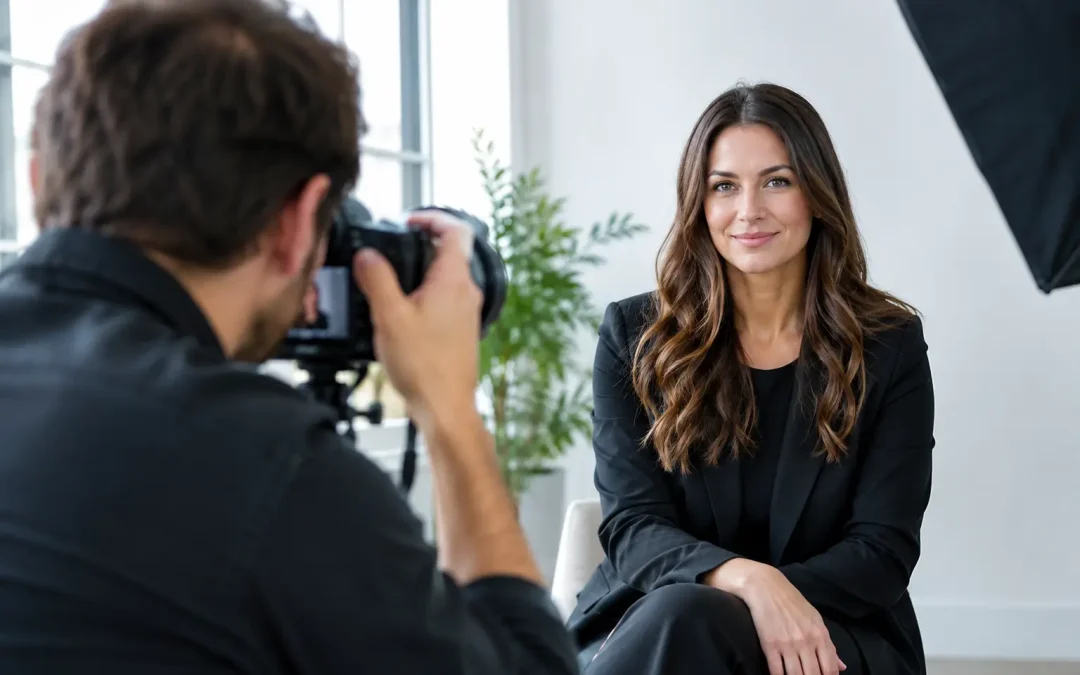
A slight change in shoulder position can make a portrait feel more open. A photographer may ask you to lower your chin, shift your weight or take a moment before looking at the camera. These are not complicated poses. They are simple, practical directions that prevent the stiff, uncertain look many people fear.
If you dislike being photographed, this level of guidance is especially valuable. You should not have to guess what to do next or attempt to copy poses from a mood board. A relaxed conversation and clear direction are often what allow genuine expressions to appear.
How to choose a personal branding photographer in London
London offers a huge choice of photographers, studios and locations. That variety is useful, but it can make comparing options difficult. Rather than choosing solely on price or a single image in a portfolio, consider how the photographer’s process will support the result you need.
Start with the style of work. Look for portraits that feel polished but human. Skin should still look like skin, expressions should feel believable, and the editing should not distract from the person in the photograph. Heavy retouching can make an image feel less trustworthy, particularly in professional services where personal connection matters.
Next, consider whether the photographer works with people like you. Someone experienced with actors understands casting requirements, while a photographer who regularly works with executives and business owners understands commercial use, visual consistency and the pressure of representing a company. Those skills can overlap, but experience in your setting brings useful judgement.
Finally, ask about the experience itself. Will you receive advice before the shoot? Is posing guided throughout? Will you be able to review a proof gallery and select the images that best represent you? A clear process removes uncertainty and gives you more control over the finished result.
Studio or location photography?
A studio portrait is often the strongest choice when you need clean, versatile images for LinkedIn, team pages, speaker profiles or press use. It keeps attention on your expression and can be used across many professional contexts. Studio lighting also offers consistency, which is particularly valuable for teams.
Location photography can add more of your working world. A modern office, a client-facing environment, a distinctive London street or a carefully chosen interior can give your content greater variety. It works well for founders, consultants and service businesses whose audience wants a sense of the person behind the brand.
Neither option is automatically better. A location that is busy, dark or visually distracting can weaken a portrait, while a studio-only session may not provide enough variety for a content-heavy website. In some cases, combining both gives you the most useful range of images.
Preparing for a session without overthinking it
Clothing should support your professional identity rather than compete with it. Choose pieces that fit well, feel comfortable and make sense for the clients or employers you want to attract. Solid colours and subtle textures usually photograph well. Very fine patterns, prominent logos and overly shiny fabrics can draw attention away from your face.
Bring a small selection if you are unsure. A change of jacket, shirt, blouse or accessory can create different looks without making the session feel rushed. It is also worth considering the background. A dark outfit may work beautifully against a lighter setting, while a pale outfit can be more effective against a darker background.
Try not to make dramatic changes immediately before the shoot. A new haircut, unfamiliar makeup or an outfit you have never worn can make you feel less like yourself. The goal is to arrive looking like your best, most comfortable professional self.
Sleep, water and a little extra time to travel also help. Not because you need to be perfect, but because feeling unhurried changes how you hold yourself. A well-run session has space to settle in, test the light and find the expressions that feel right.
Making photographs work harder for your business
The value of personal branding photography is not limited to one profile image. A thoughtful set of portraits can give your marketing a consistent visual language for months or even years, depending on how your role and appearance evolve.
Use a clear, direct portrait where trust needs to be established quickly, such as your LinkedIn profile or contact page. Use wider environmental images on service pages and in presentations where context helps tell the story. More informal images can support social posts, newsletter introductions and behind-the-scenes updates without lowering your professional standard.
For teams, consistency is just as important as individual personality. Matching lighting, framing and background across staff headshots creates a more organised, established impression. It also makes future updates easier when new team members join.
Questions clients often ask
Do I need to know how to pose?
No. Most clients are not models and do not need to be. A guided photographer will help with posture, hand placement, angles and expression throughout the session. Small adjustments make a significant difference, and you will not be left trying to work it out alone.
Will the images look too corporate?
They do not have to. The level of formality should reflect your audience and the places where the images will appear. Some clients need a classic executive portrait; others need a warmer, more contemporary collection. The important thing is that the style supports your brand rather than following a trend that does not suit it.
How much retouching is appropriate?
Professional retouching should refine an image, not change who you are. Temporary distractions can be reduced, while natural features, character and recognisable expression should remain. A photograph that feels authentic is more useful than one that looks artificially perfected.
A good session should leave you with more than a photograph you tolerate. It should give you images you are comfortable putting in front of the people whose trust matters most. If being photographed has held you back, choose a photographer who will take the pressure off, guide you with care and help you show up with quiet confidence.