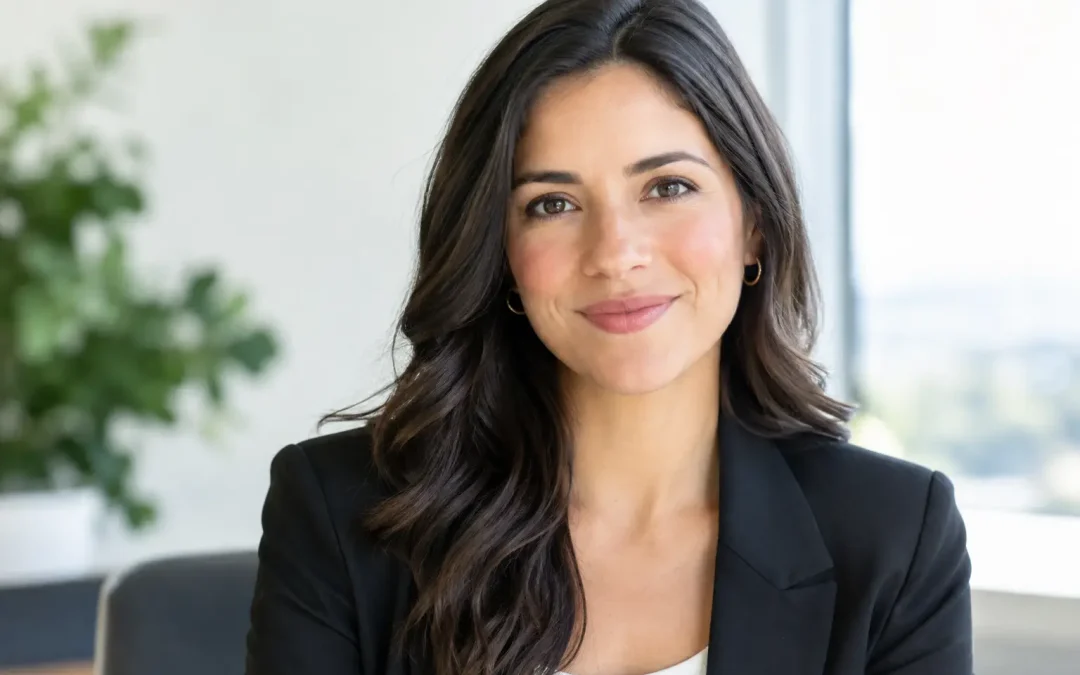
A headshot is often seen before you have the chance to introduce yourself. It sits beside your name on LinkedIn, appears on a company website, accompanies a press feature or casting profile, and may be the first visual cue someone has about whether you feel credible, capable and approachable. That is a lot to ask of one image, which is why professional headshots should do more than show what you look like.
For many people, however, the thought of being photographed is enough to put the task off for another year. You may feel awkward in front of a camera, unsure what to do with your hands, or concerned that your smile will look forced. Those concerns are normal. A good headshot session is not about expecting you to perform like a model. It is about giving you clear, calm direction so you can look relaxed and recognisably yourself.
What Professional Headshots Are Really For
A strong headshot creates a useful first impression before a conversation begins. For an executive, it can communicate confidence and authority without appearing remote. For a business owner or consultant, it can make a personal brand feel more trustworthy. For actors, it needs to feel truthful, current and full of possibility rather than over-styled.
The right image depends on where it will be used. A LinkedIn profile may benefit from an open, direct expression and clean composition. A corporate leadership page may call for a more polished feel that still fits the company’s visual identity. An actor’s headshot needs to leave room for casting professionals to see character, energy and type.
This is why there is no single “best” headshot pose. The aim is not to copy a trend or produce a generic corporate portrait. It is to create an image that makes sense for your professional goals and feels believable when someone meets you in person.
The Difference Between a Snapshot and a Useful Portrait
Most people have a perfectly decent photograph somewhere on their phone. The problem is that decent is not always commercially useful. Lighting may create unflattering shadows, the background may distract, or the image may not be sharp enough for a website, publication or print use. More subtly, an unplanned photograph can make you look uncomfortable even when the technical quality is good.
Professional headshots bring together the details that influence how an image feels: lighting, lens choice, background, posture, expression, clothing and composition. None of these elements should draw attention to themselves. Their job is to put the focus where it belongs – on you.
Guidance makes a significant difference here. A small adjustment to your shoulders can improve posture without making you look rigid. Turning slightly towards the light can bring shape and warmth to your face. Taking a moment between frames can help your expression settle into something natural. These are small changes, but together they separate a polished portrait from an image that looks posed.
Natural does not mean unprepared
Clients sometimes worry that preparation will make their photographs feel artificial. In practice, preparation does the opposite. When you know what to expect, have chosen clothes you feel comfortable wearing and are being directed throughout, there is less pressure to guess what the camera needs from you.
Natural-looking images are carefully created, but they should never feel overworked. Retouching can refine temporary distractions and keep the final image polished, while preserving the texture, character and details that make your face your own. The goal is to look well presented, not unlike yourself.
Preparing for Your Headshot Session
The most useful preparation is simple. Choose clothing that fits well, feels like you, and supports the impression you want to make. You do not need to buy a new outfit unless it genuinely helps you feel more confident. A well-fitting jacket, a simple top or shirt, or a favourite colour that works well with your complexion can be more effective than something chosen purely because it seems “professional”.
Avoid very busy patterns, large logos and overly reflective fabrics where possible, as they can compete with your face. For corporate headshots, it is also worth considering your organisation’s brand colours and the style of existing team photography. Consistency matters when several people will appear together on a website or in marketing materials.
Bring a couple of options if you are unsure. Changing a jacket, neckline or layer can create a different feel without needing a completely new session. For personal-branding photography, variety can be particularly helpful because you may need images for social profiles, speaking engagements, newsletters and website pages.
You do not need to practise facial expressions in the mirror. In fact, this often creates more self-consciousness. It is far more useful to arrive rested where possible, allow enough time so you are not rushing, and trust that you will be coached through the process.
What Happens During a Relaxed Session
A well-run session should not begin with someone placing you in front of a camera and expecting you to know what to do. It starts with a conversation about how and where the images will be used, what you are hoping they communicate, and any concerns you have about being photographed.
From there, direction should be continuous but unobtrusive. You will be guided on where to stand, how to position your body, where to look and when to make small changes to your expression. There is no need to hold an uncomfortable pose for long periods. The best results often come from movement, conversation and making small adjustments between frames.
This approach matters most for camera-shy clients. Feeling nervous is not a flaw that needs to be hidden. It is simply part of the starting point. With a calm pace and clear feedback, most people find that the experience becomes much easier than expected. The camera stops feeling like a test, and the session becomes a focused piece of professional preparation.
Studio or on-location?
Both can work well, and the best choice depends on the purpose of your images. A studio setting offers consistency, controlled lighting and a clean, timeless result. It is particularly effective for LinkedIn, executive and actor headshots where the attention should stay firmly on your face.
An on-location session can add context and personality. A workplace, office environment or carefully selected London or Kent setting may suit a business owner, entrepreneur or team whose work is closely connected to place and people. The trade-off is that locations introduce more variables, from weather to background activity, so they need to be chosen with care.
For companies, a consistent approach is usually more valuable than making every image identical. Team members should look as though they belong to the same organisation, while still appearing comfortable and individual. This can be achieved through a shared background, lighting style and framing, with enough flexibility for each person’s personality to come through.
Choosing the Final Images
The session is only part of the process. Reviewing a proof gallery gives you the chance to see the range of expressions and choose images that suit different uses. It can be difficult to select photographs of yourself, especially if you are used to seeing only your mirror image. Professional guidance at this stage can help you focus on what matters: expression, confidence, suitability and consistency with your intended audience.
You may prefer one image for LinkedIn and another for a company biography or speaking profile. Actors may need a choice that feels more connected to the casting work they want to attract. There is no requirement for every platform to use the exact same frame, but the images should present a coherent version of you.
Once selected, professionally retouched high-resolution files give you images that are ready for the places where they need to work. A good final photograph should remain useful for more than a few weeks. It should feel current, polished and easy to use whenever an opportunity appears.
When Is It Time to Update Your Headshot?
If your current photo no longer reflects how you look, the answer is probably now. A change in hairstyle, glasses, role, seniority or personal brand can all justify an update. So can a new job search, a business launch, a promotion, a website refresh or a move into more public-facing work.
There is also a practical reason not to wait. When a conference organiser, recruiter, journalist or new client asks for a photograph, it is much better to have one you feel confident sending. Using an old cropped holiday photo at the last minute can undermine the care you have put into the rest of your professional presence.
Neil Taylor Photography works with individuals and teams across Kent and London, offering a guided experience from preparation through to final image selection. Whether you need one clear LinkedIn portrait, actor headshots with genuine character, or consistent photography for an entire team, you do not need to know how to pose before you arrive.
The most effective headshot is rarely the one where you look the most posed. It is the one where you look comfortable, capable and ready to be trusted – so choose a session that gives you the time and guidance to get there.