Table of Contents
- What Makes a Professional Headshot Work for Creatives
- Creative Headshot Ideas That Capture Your Authentic Self
- What to Wear for a Professional Headshot
- How to Prepare for a Headshot Session
- Choosing the Right Photographer for Your Headshots
- After Your Session: Selection and Updates
- Frequently Asked Questions
Last Updated: October 15, 2026
What Makes a Professional Headshot Work for Creatives
A professional headshot for creatives is a polished, authentic portrait that showcases your personality whilst maintaining the credibility your industry demands. It’s not just a nice photo, it’s your first impression before you walk into an audition, pitch a business idea, or connect with a potential client.
What separates a strong professional headshot from a casual snapshot is intention. The best headshots capture you looking confident, approachable, and genuinely yourself. Your eyes should feel alive. Your expression should suggest you’re comfortable in front of the camera, not stiff or overposed.
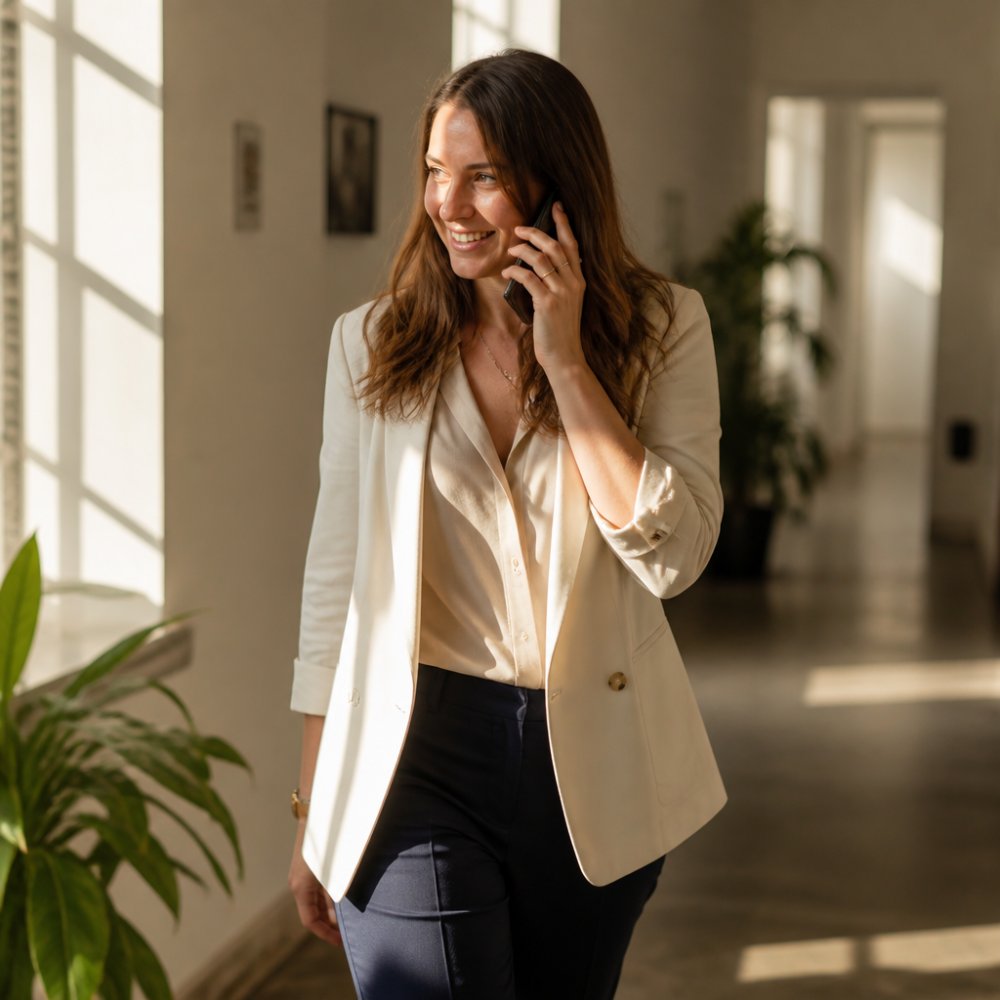
For actors, this means a casting-ready image that shows your range without overselling it. For entrepreneurs and business professionals, it means looking trustworthy and capable. For corporate team photography, consistency across all headshots builds a cohesive brand identity.
The background matters too. A clean, simple backdrop keeps focus on you. Busy backgrounds distract. Overly stylised or trendy backgrounds date quickly, you’ll want to use these images for years, not months.
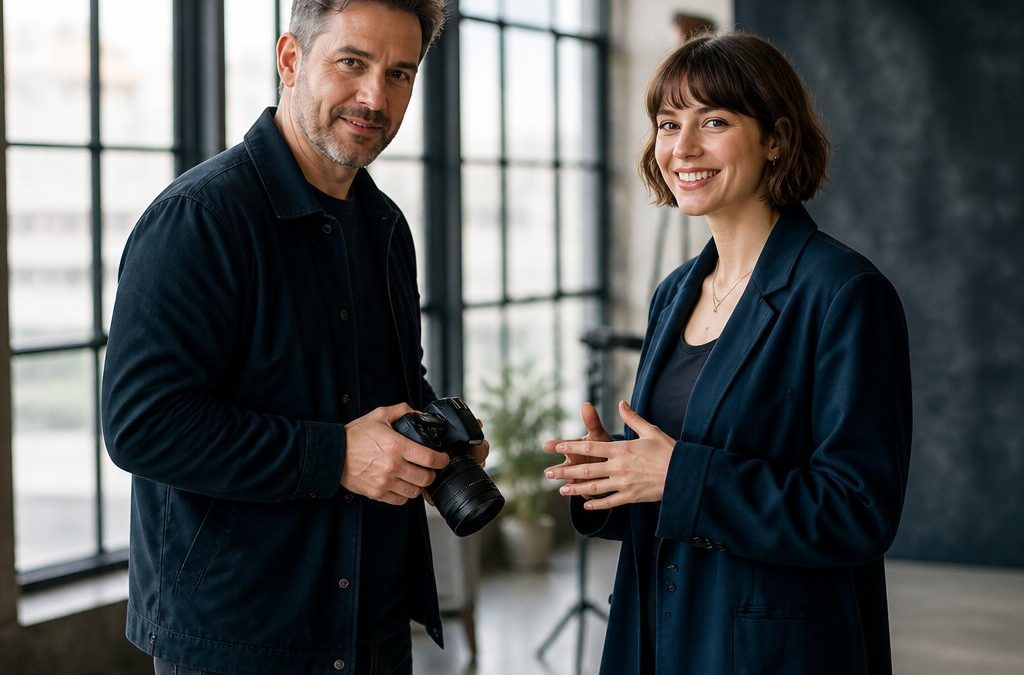
At Neil Taylor Photography, we focus on capturing the authentic version of you that makes people want to work with you. Whether you’re building a personal brand or preparing for auditions, a professional headshot for creatives should feel like the best version of yourself on your best day.
Creative Headshot Ideas That Capture Your Authentic Self
The best creative headshot ideas move away from stiff, corporate formality. You’re not a banker in a suit (unless you are, but even then, personality matters). Your headshot should hint at who you actually are.
Consider your industry. An actor’s headshot might show warmth and approachability. A creative entrepreneur might lean into confidence and individuality. A consultant might balance approachability with authority.
Here are practical approaches:
- The direct gaze: You looking straight at the camera with a natural, relaxed smile. This works across industries and builds immediate connection.
- The three-quarter turn: Angled slightly away from the camera, then looking back. This adds dimension and feels less formal.
- The candid moment: A genuine laugh or thoughtful expression. These feel more human and less posed.
- The environmental shot: You in your workspace or natural setting. This adds context to your professional identity.
- The close-up: Tighter framing that emphasises your face and eyes. Powerful for headshots used on LinkedIn or casting sites.
The key is authenticity. Headshots that look overly retouched or heavily filtered read as inauthentic. Casting directors and clients can spot a heavily edited image instantly, and it works against you. Natural skin texture, genuine expression, and real lighting create trust.
Variety helps too. If you’re an actor, having 2-3 different looks, perhaps one more serious, one warmer, gives you options for different roles. For entrepreneurs, one strong, consistent headshot builds brand recognition.
What to Wear for a Professional Headshot
Your outfit shapes how people perceive you before they hear a word. Choose clothing that feels like you but elevates your everyday style.
Colour and Fit Considerations
Solid colours work better than patterns. A busy print or bold graphic distracts from your face. Jewel tones, deep blues, emeralds, burgundies, photograph beautifully and feel professional. Neutrals like charcoal, navy, and cream are safe choices that won’t compete with your features.
Fit matters enormously. Clothes that are too loose look sloppy. Clothes that are too tight look uncomfortable. You want something that skims your body without clinging. Tailored pieces photograph better than baggy ones.
Avoid anything with a busy pattern, large logos, or text across the chest. These distract and date quickly.
Consider the neckline. For headshots, a crew neck or v-neck works well. Avoid anything too plunging or too high. You want focus on your face, not your chest.
Layers add dimension. A fitted blazer over a simple top creates structure and looks polished. For creative professionals, this signals competence without feeling corporate.
Avoiding Common Outfit Mistakes
Don’t wear all black, even though it sounds slimming. All-black clothing can create a silhouette that reads as a floating head against a dark background. If you love black, pair it with a lighter top or add a blazer in a different shade.
Avoid white or very light colours if you’re worried about blending into the background. If the background is white, you need contrast.
Book your headshot session today →
Don’t wear anything with writing, logos, or brand names. These distract and can create legal issues if your headshot is used commercially.
Steer clear of anything too trendy. A headshot is an investment. You’ll use it for years. Avoid fashion-forward pieces that will look dated in six months.
Don’t wear horizontal stripes. They can create a moiré effect on camera, a weird shimmering pattern that’s distracting and hard to edit out.
Jewellery should be minimal. A simple necklace, small earrings, or a watch is fine. Avoid anything that jangles or catches light in distracting ways. Rings can work but keep them understated.
How to Prepare for a Headshot Session
Preparation makes the difference between a session that feels rushed and one where you look genuinely relaxed.
Hair, Makeup, and Grooming
Get your hair done the day before your session, not the morning of. This gives your hair time to settle into its natural texture and look less freshly styled.
For makeup, less is more on camera. Foundation should match your skin tone exactly, mismatched foundation is obvious in close-ups. Powder helps reduce shine. A touch of blush adds life to your face. Lips should be a shade that feels natural to you. Avoid anything too glossy, which can create harsh reflections.
For men, a fresh shave or well-groomed beard works. If you usually have stubble, maintain that if it’s part of your look. Grooming should look intentional, not accidental.
Skin care matters. If possible, do a gentle facial or moisturise well the week before. Hydrated skin photographs better than dry skin. Avoid trying new skincare products right before your session, you don’t want an unexpected breakout or reaction.
Get a good night’s sleep before your session. It sounds simple, but sleep shows in your eyes and your overall energy. You’ll look fresher and more alive.
Managing Nerves and Feeling Natural
Most people feel self-conscious in front of a camera. That’s normal. The best headshots come from people who’ve found a way to relax despite the nerves.
Arrive early so you’re not rushed. Give yourself time to settle into the space. Chat with your photographer. Understanding their style and feeling comfortable with them makes a huge difference.
Bring music if it helps you relax. Some people focus better with background music. Let your photographer know if this helps you.
During the session, take breaks. Continuous shooting can feel exhausting. A few moments to breathe and reset help you return to the camera feeling fresher.
Think about something that makes you happy, not a forced smile, but a genuine sense of warmth. This translates to your expression. Your eyes should feel engaged, not blank.
Movement helps. Small shifts in your body, turning your head slightly, adjusting your shoulders, these micro-movements feel more natural than holding one rigid pose.
Ask your photographer for feedback. A good photographer will guide you: “Try a softer smile,” “Relax your shoulders,” “Look slightly to the left.” This direction helps you feel less lost.
Choosing the Right Photographer for Your Headshots
The photographer you choose shapes the final result more than anything else. This is where it matters to invest in someone who understands your industry.
Look for a photographer with a strong portfolio of headshots. Not general portraits, specifically headshots. The skill set is different. A photographer who specialises in headshots understands lighting for close-ups, posing that flatters faces, and editing that looks natural rather than overdone.
Book your headshot session today →
Check their work across different skin tones and face shapes. A good headshot photographer produces strong results for diverse clients, not just one type of person.
Read reviews or testimonials from other creatives in your field. Actors reviewing an actor photographer, entrepreneurs reviewing a business headshot photographer, these matter.
Ask about their process. Do they do a consultation beforehand? Do they show you options during the session? Can you see images before you leave, or do you wait for editing? A photographer who’s transparent about their process builds confidence.
Discuss editing style. Some photographers deliver heavily retouched images. Others keep retouching minimal. Neither is wrong, but you should know what to expect. For professional headshots, natural-looking retouching usually works best, skin looks smooth but still like skin, not plastic.
Ask how many images you’ll receive and in what format. Will you get digital files you can use indefinitely, or a limited licence? Will you get high-resolution files suitable for printing and professional use?
At Neil Taylor Photography, we specialise in headshots for actors, entrepreneurs, and business professionals. We understand the specific needs of creatives, whether you need a casting-ready image, a personal branding portrait, or consistent team photography.
After Your Session: Selection and Updates
After your session, you’ll have images to review. This is where many people struggle, too many options, hard to choose.
Work with your photographer to narrow down your selects. A good photographer can guide you toward the strongest images. They see technical quality you might miss. They also know what reads well for the purpose you need.
Choose 2-3 final images if possible. Different looks serve different purposes. One might be your primary headshot for LinkedIn. Another might be your casting photo. A third might be your website image. Having options keeps your branding fresh.
Once you’ve selected your final images, ask your photographer about updates. How often should you update your headshot? For actors, every 1-2 years is standard if your look changes. For entrepreneurs and business professionals, every 2-3 years keeps your image current without constant replacement.
Store your final files safely. Keep high-resolution versions for printing and professional use. Create compressed versions for web use. Organise them clearly so you can find them when you need them.
Your professional headshot for creatives is an investment in how people perceive you. Treat it seriously, choose your photographer carefully, and update it regularly. The return on that investment, in auditions, business opportunities, and professional credibility, is significant.
A strong professional headshot for creatives opens doors. It’s the image that makes casting directors, potential clients, and professional contacts take you seriously. The right photographer understands your industry and captures the version of you that builds trust and opportunity.
Get in touch with Neil Taylor Photography to discuss your headshot needs. We specialise in creating authentic, polished images for actors, entrepreneurs, and business professionals. Check Availability to book your session, or email hello@neiltaylorphotography.com to learn more.
Frequently Asked Questions
How often should I update my professional headshot for creatives?
Most creatives benefit from updating their headshots every 2-3 years, or sooner if your appearance changes significantly or you’re pursuing a new professional direction. If you’ve been using the same image for 8+ years, a fresh headshot can make a noticeable difference in how casting directors or clients perceive you. A current, authentic image shows you’re actively engaged in your field and helps you make a stronger first impression.
What should I wear for a professional headshot to look credible?
Choose fitted clothing in solid colours that complement your skin tone, avoid busy patterns, logos, or overly trendy pieces. Neutral tones like black, navy, grey, or jewel tones work well for most industries. Consider your sector: actors might wear something that reflects their casting type, whilst entrepreneurs and business professionals should opt for polished, contemporary styles. Ensure whatever you wear makes you feel confident and comfortable, as that authenticity shows in your expression.
Can a professional headshot still look natural and not stiff?
Yes. The best headshots balance professionalism with authenticity. Working with a photographer experienced in headshots means they’ll guide your posture, help you relax between shots, and create an environment where natural expressions emerge. Preparation beforehand, knowing what to wear, managing nerves, and having clear direction, helps you feel at ease. Your photographer’s ability to communicate and make you comfortable is crucial to capturing images that feel genuine, not forced.
How do I prepare for a headshot session if I’m nervous about being photographed?
Start by discussing your concerns with your photographer beforehand. Get clear on what to wear and how to prepare your hair and makeup so you feel confident. Arrive rested and hydrated. During the session, your photographer should provide direction on posture and expression, take multiple shots to capture natural moments, and offer encouragement. Remember that nerves are normal, experienced headshot photographers know how to guide you through the process and help you relax into genuine expressions.